
GERD Relief: 7 Proven Tips to Manage Flare-Ups
GERD relief that works: 7 proven tips covering meal timing, trigger foods, weight, sleep position, medicines and surgery, plus warning signs to act on.

Introduction

That burning feeling rising behind your breastbone after dinner, a sour taste at the back of your mouth, or a cough that shows up every night can all come from the same problem: stomach contents flowing the wrong way. Occasional heartburn is common. When it happens regularly, it may be gastroesophageal reflux disease (GERD), and simple daily changes often bring real GERD relief.
This guide explains what GERD is, then gives seven practical tips, from what and when you eat to how you sleep and which medicines help. It also lists the warning signs that mean you should see a doctor rather than treat yourself.
Understanding GERD: What You Need to Know

Where the esophagus meets the stomach sits a muscular valve known as the lower esophageal sphincter (LES). It relaxes to let swallowed food pass, then tightens again. If the LES relaxes at the wrong time or is weak, acid and partly digested food can wash back up. Acid reflux that happens now and then is normal. Doctors usually consider GERD when reflux occurs at least twice a week or causes inflammation of the esophagus.
Common symptoms include:
- Heartburn: a burning sensation behind the breastbone, often worse after meals or when you lie down
- Sour fluid or bits of food coming back up into the throat or mouth
- Chest discomfort, difficulty swallowing or the sense that something is stuck in the throat
- A hoarse voice, a lingering cough, constant throat clearing or asthma that gets harder to control
- Nausea or bad breath
Factors that make reflux more likely include excess weight, pregnancy, smoking, a hiatal hernia (when the top of the stomach pushes up through the diaphragm) and certain medicines, such as some pain relievers, sedatives and blood pressure drugs.
Left untreated, long-term GERD can damage the esophagus. Possible complications include esophagitis, narrowing of the esophagus (strictures) and Barrett's esophagus, a change in the lining that slightly raises the risk of esophageal cancer.
7 Proven Tips for GERD Relief

Tip 1: Adjust Your Diet
How you eat matters as much as what you eat. Large meals stretch the stomach and push against the LES.
- Eat smaller portions more often instead of two or three big meals.
- Finish your last meal at least three hours before lying down or going to bed.
- Take your time at meals and put your fork down once you feel pleasantly full, not stuffed.
- Build meals around vegetables, whole grains, lean proteins and fiber-rich foods.
Some people find gentle, low-fat foods easier to tolerate. For one example, see our article on sweet potato and GERD. For more fiber ideas, browse our high-fiber dinner recipes.
Wondering about a specific food? These guides look at how common choices tend to sit with reflux, along with portion and timing tips:
- Fruits: bananas, watermelon, mango, blueberries, and pineapple
- Grains and snacks: oatmeal, popcorn, and pretzels
- Dairy: yogurt, cheese, and cottage cheese
- Fats, nuts, and spreads: avocado, olive oil, hummus, and almonds
Triggers vary from person to person, so treat these guides as starting points and let your own food diary have the final say.
Tip 2: Manage Stress
Stress does not directly create more acid, but many people notice their heartburn feels worse when they are anxious or tired. Stress can also lead to habits that trigger reflux, like late-night snacking, alcohol and smoking. Regular exercise, deep breathing, enough sleep and short breaks during the workday can help.
Tip 3: Maintain a Healthy Weight
Extra weight around the abdomen raises pressure on the stomach and forces contents upward. For people carrying extra weight, shedding even a small share of it often makes symptoms easier to live with. Aim for gradual changes you can keep, such as daily walks and smaller portions.
Tip 4: Avoid Trigger Foods
Triggers differ from person to person. Common ones include:
| Possible Trigger | Why It May Cause Reflux |
|---|---|
| Fried and fatty foods | Slow stomach emptying and relax the LES |
| Chocolate and peppermint | Can relax the LES |
| Coffee, tea and other caffeine drinks | May worsen symptoms in some people |
| Alcohol | Relaxes the LES and irritates the esophagus |
| Spicy foods, onions and garlic | Can irritate an already inflamed esophagus |
| Citrus fruits and tomato products | Acidic foods may increase burning |
| Carbonated drinks | Gas can increase pressure in the stomach |
Table 1: Common GERD triggers and how they may affect reflux.
For two weeks, jot down what you eat and when symptoms show up. Cut out only the foods that clearly bother you, rather than following a strict list that may leave your diet too limited.
Tip 5: Elevate Your Head During Sleep
Lying flat makes it easier for acid to flow upward. Lift the top end of your bed 6 to 8 inches, either with sturdy risers under the legs at the head end or a foam wedge slipped beneath the mattress. Stacking pillows is less effective because it bends you at the waist and can increase pressure on the stomach. Some studies suggest that sleeping on your left side may also reduce nighttime reflux.
Tip 6: Take Over-the-Counter Medications
Several types of nonprescription medicine can help:
- Antacids neutralize acid and work quickly, but the relief is brief.
- H2 blockers (such as famotidine) lower acid production for several hours.
- Proton pump inhibitors (PPIs) (such as omeprazole or esomeprazole) provide stronger, longer acid suppression and work best when taken before a meal.
Follow the package directions. Over-the-counter PPIs are labeled for a 14-day course, and the label advises not to repeat it more than three times a year without speaking to a doctor. If you need them longer, a clinician should review your symptoms and the right dose.
Tip 7: Consider Surgery if Necessary
When lifestyle changes and medicines do not control symptoms, or if you cannot take long-term medicine, surgery may be an option. In fundoplication, a surgeon folds the upper part of the stomach around the base of the esophagus to reinforce the valve. Another procedure places a small ring of magnetic beads around the LES. A specialist will run tests, such as endoscopy and pH monitoring, before recommending surgery.
Home Remedies: What the Evidence Says
Many home remedies circulate online, and the evidence behind them varies. Sugar-free gum after a meal boosts saliva flow, and that extra saliva can rinse acid out of the esophagus; a handful of small studies back this up. Drinking a glass of water may briefly dilute acid in the esophagus. Baking soda neutralizes acid, but it is high in sodium and should not be used regularly, especially by people with heart or kidney problems or during pregnancy. Apple cider vinegar, mustard and raw garlic have little reliable evidence and can make burning worse for some people. Herbal products such as licorice or peppermint oil are not risk-free either: peppermint can relax the LES, and some licorice products raise blood pressure. If you want to try a supplement, check with a pharmacist first, particularly if you take other medicines.
Heartburn is also very common in pregnancy because hormones relax the LES and the growing baby presses on the stomach. Lighter meals and a raised bed head often ease it, and a number of antacids are generally regarded as safe in pregnancy, but check with a midwife or doctor before you take anything.
Habits to Quit for Lasting Prevention
- Smoking: weakens the LES and reduces saliva, which helps neutralize acid.
- Tight waistbands: squeeze the stomach and push contents upward.
- Lying down after meals: stay upright for at least three hours after eating.
- Heavy late-night drinking: alcohol close to bedtime is a common trigger.
When to See a Doctor
Make an appointment if you:
- Have heartburn more than twice a week, or it keeps coming back
- Have used over-the-counter medicines for more than two weeks without lasting relief
- Have trouble or pain when swallowing
- Are losing weight without trying, or have ongoing nausea or vomiting
- Have hoarseness, chronic cough or wheezing that may be linked to reflux
Emergency: Call 911 (or your local emergency number) if you have chest pain or pressure, especially with shortness of breath, sweating, or pain spreading to the jaw, neck or arm, as this may be a heart attack rather than heartburn. Get emergency help as well for vomit that contains blood or looks like coffee grounds, stools that are black and tarry, or a complete inability to swallow.
Conclusion
GERD is common and usually manageable. Many people do well by eating lighter meals earlier in the evening, learning which foods set them off, keeping a healthy weight and sleeping with the head of the bed raised. Over-the-counter medicines can ease symptoms in the short term, and a doctor can guide longer-term treatment or surgery when needed. Pay attention to warning signs, because chest pain and swallowing problems should never be brushed aside as simple heartburn.
Sources
- Acid Reflux (GER and GERD) in Adults (NIDDK)
- Treatment for GER and GERD (NIDDK)
- Gastroesophageal Reflux Disease (GERD) (Mayo Clinic)
- Heartburn and Acid Reflux (NHS)
- Gastroesophageal Reflux Disease (MedlinePlus)
FAQ
1. What is the fastest way to get GERD relief?
An antacid usually eases heartburn within minutes. Staying upright and avoiding further food also helps, but frequent symptoms need longer-term changes.
2. How do I know if I have GERD or just heartburn?
Occasional heartburn is common. Reflux that happens at least twice a week, or causes other symptoms such as cough or swallowing trouble, may be GERD.
3. What foods should I avoid with GERD?
Common triggers are fatty and fried foods, chocolate, peppermint, alcohol, caffeine, spicy foods, citrus and tomato products, but triggers vary between people.
4. Does sleeping position help GERD?
Yes. Raising the head of the bed by 6 to 8 inches and sleeping on your left side may reduce nighttime reflux.
5. Can GERD cause serious problems?
Untreated GERD can lead to esophagitis, narrowing of the esophagus and Barrett's esophagus, so ongoing symptoms should be checked by a doctor.
About the author

Health Researcher and Writer
Haider Nadeem is a health researcher and the writer behind Healthy Eats Guide. He writes about health problems he faces or sees people around him face, and turns careful research into practical guides. Articles are researched and drafted with AI assistance, then fact-checked and edited by Haider using cited sources such as USDA, NIH, and peer-reviewed research.
Related blogs
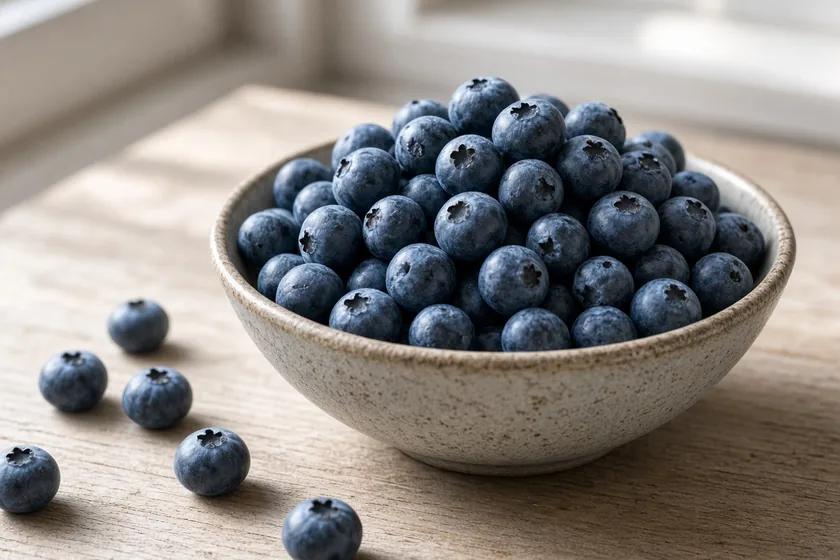
Are Blueberries Good for GERD: 5 Evidence-Based Facts
Are blueberries good for GERD? See how their pH compares with other fruits, plus fiber, frozen vs. dried berries, oatmeal pairings, and portion tips.
12 min read
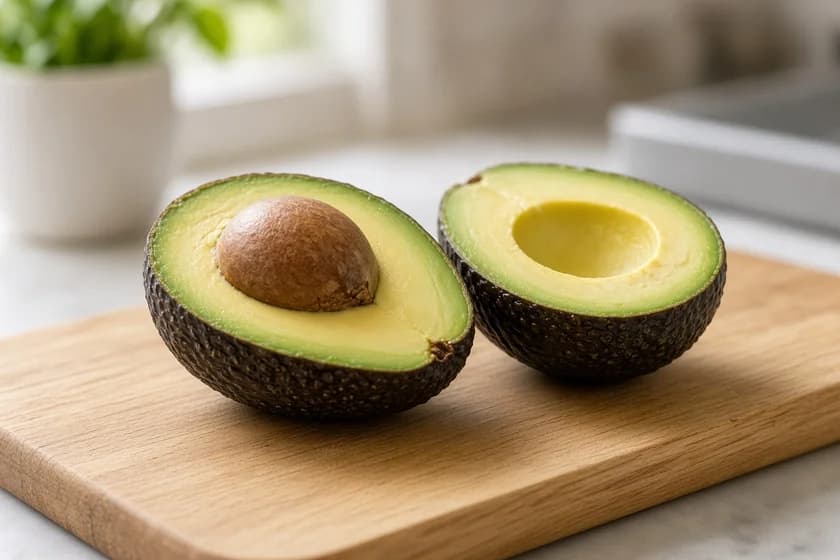
Is Avocado Good for GERD: 6 Proven Facts
Is avocado good for GERD? See how fat, fiber, portion size, and guacamole add-ins may affect reflux, and learn how to enjoy avocado with fewer flare-ups.
11 min read
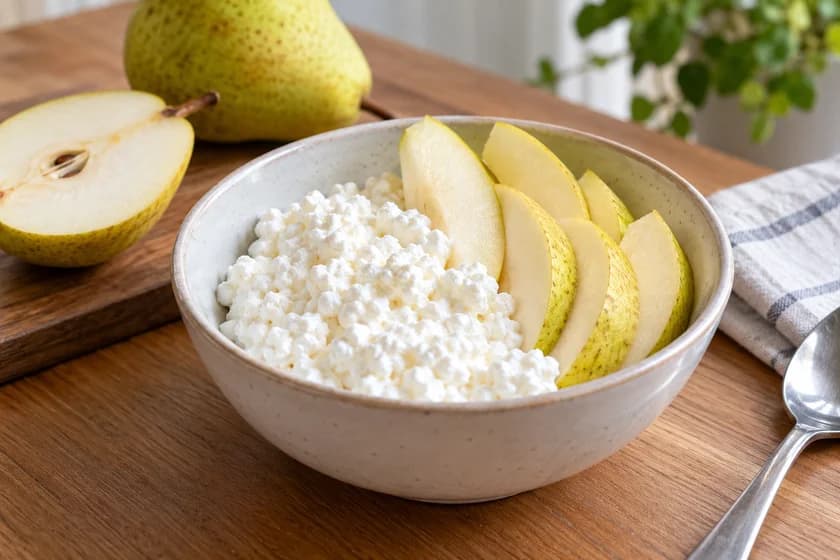
Is Cottage Cheese Good for GERD: 6 Essential Facts
Is cottage cheese good for GERD? Learn how fat, sodium, acidity, portions, and pairings may affect reflux, and how to test your own tolerance.
11 min read
Newsletter
Get practical nutrition guides in your inbox
Clear food-by-food advice and diet tips for everyday eating — no spam, unsubscribe anytime.