
Is Popcorn Good for Acid Reflux: 6 Evidence-Based Facts
Is popcorn good for acid reflux? Learn whether air-popped, buttered, and microwave popcorn may affect GERD symptoms, plus tips on portions, toppings, and timing.
Introduction

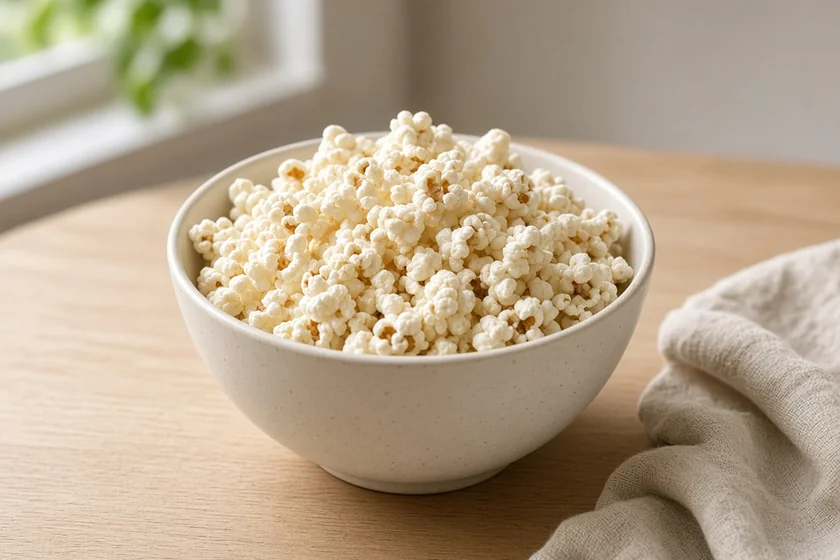
Is popcorn good for acid reflux? For some people, a modest bowl of plain air-popped popcorn may be a suitable snack. Popcorn is a whole-grain snack that stays relatively low in fat when you skip butter and heavy oil. High-fat foods are commonly linked to GERD symptoms, so the kernels themselves are often less of an issue than what you add to the bowl. Popcorn isn't a treatment, and a buttered or oversized serving can still trigger heartburn.
Air-popped popcorn can be a GERD-friendly snack if you tolerate it. Start with a modest bowl of plain popcorn, go easy on butter, cheese, and spicy toppings, and finish eating at least 3 hours before lying down if you have nighttime symptoms.
This guide covers six facts about popcorn and acid reflux, including fiber and fat content, buttered and microwave varieties, portions, and late-night snacking.
Fact Set 1: Why Plain Popcorn Often Sits Well
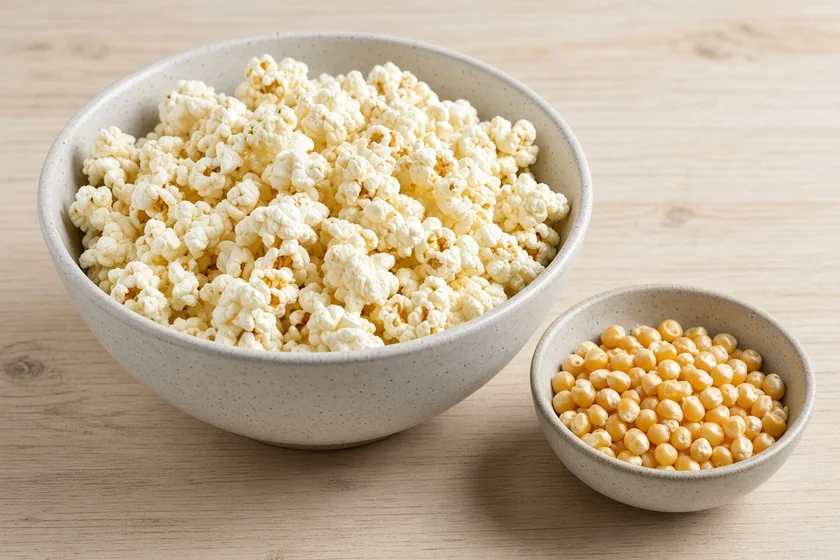
Plain popcorn has a few traits that can make it a reasonable snack if you already tolerate whole grains.
Fact 1: Air-Popped Popcorn Is a Low-Fat Whole-Grain Snack
Is popcorn good for GERD? It may be a reasonable alternative to fried or heavily processed snacks. Still, it does not treat GERD or replace medical treatment. Cleveland Clinic describes popcorn as a whole grain and notes that air-popped popcorn is low in calories and fat when you leave off butter, sugar, and heavy oil.
Johns Hopkins Medicine includes high-fiber whole grains among foods that may help prevent heartburn. It names oatmeal, not popcorn, so treat this as a similar pattern rather than a popcorn-specific recommendation. Cleveland Clinic's GERD diet guide also includes whole grains on a reflux-friendly plate, again without naming popcorn.
The NIDDK does not name popcorn. It focuses on foods commonly linked to GERD symptoms, including high-fat foods, citrus, chocolate, mint, caffeine, alcohol, and spicy foods.
So treating plain popcorn as a GERD option is an inference from its whole-grain, relatively low-fat profile, not a popcorn-specific clinical recommendation. If you tolerate a plain bowl of oatmeal, plain air-popped popcorn may also be worth trying as another whole-grain snack. Tolerating one whole grain doesn't guarantee you will tolerate another. If even a small plain bowl bothers you, popcorn may not be a fit, or the portion or timing may be the issue.
Fact 2: Fiber May Help You Feel Full, but Popcorn Isn't a Reflux Treatment
According to USDA FoodData Central, air-popped popcorn has about 387 calories, 4.5 grams of fat, and 14.5 grams of fiber per 100 grams, with very little sodium or sugar. A typical 3-cup bowl weighs about 24 grams, so it has roughly 93 calories and about 3.5 grams of fiber. Cleveland Clinic reports a similar picture for a 2-cup serving: about 62 calories, less than 1 gram of fat, and 2.3 grams of fiber.
Fiber can promote fullness, which may help you keep the snack modest. Johns Hopkins recommends smaller, more frequent meals rather than heavier ones, because meal size can influence heartburn. That is not evidence that popcorn's fiber treats GERD or "absorbs" stomach acid.
The 2022 ACG clinical guideline suggests avoiding your own trigger foods, a conditional recommendation based on low-quality evidence. A food diary still matters more than a snack chart.
Fact Set 2: Butter, Oil, and Microwave Bags
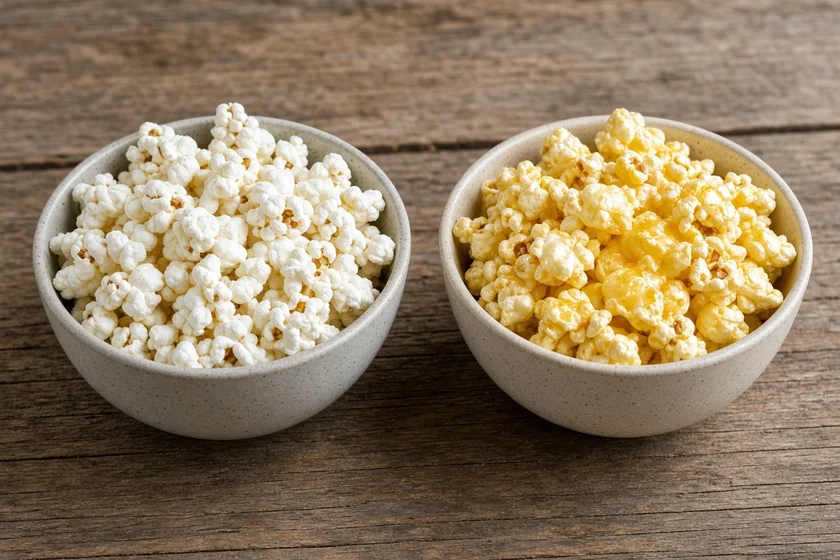
Is buttered popcorn bad for acid reflux? Often, the toppings and the cooking method matter more than the kernels.
Fact 3: Buttered Popcorn Is Often the Problem, Not the Kernels
Butter, cheese, caramel, and a heavy pour of oil raise the fat content of a snack that started lean. The NIDDK and Johns Hopkins both list high-fat foods among common triggers. Johns Hopkins also includes cheese and other processed snacks among the usual culprits, and it flags chili powder and pepper as spicy seasonings to watch.
That doesn't mean a thin drizzle of oil will automatically bring on symptoms. Cleveland Clinic suggests making popcorn at home and, if you add any fat, using only a little oil (olive, avocado, or canola), and keeping salt and sugar light. A food diary can show whether even a little butter bothers you.
Spicy seasoning blends, cheese powder, and chocolate or mint flavors are more likely to be an issue than a pinch of a mild herb you already tolerate. Sugar is not on the NIDDK's list of commonly linked GERD triggers. Flavored popcorn products may still contain chocolate, added fat, or other ingredients that bother some people, so check the ingredient list.
Fact 4: Many Microwave and Movie-Theater Popcorn Options Contain More Fat
Is microwave popcorn bad for acid reflux? It depends on the bag. Many regular microwave products contain added oils, butter-style flavorings, or salt, although the nutrition varies by brand and preparation. USDA data show how quickly the profile can change once oil and flavoring enter the picture.
| Popcorn type (per 100 g) | Calories | Fat | Fiber | Sodium |
|---|---|---|---|---|
| Air-popped | About 387 | About 4.5 g | About 14.5 g | About 8 mg |
| Oil-popped, salt added | About 500 | About 28 g | About 10 g | About 884 mg |
| Microwave, regular flavor, no trans fat | About 583 | About 43.6 g | About 8.1 g | About 909 mg |
Table: Approximate USDA FoodData Central values for air-popped popcorn (FDC 167959), oil-popped popcorn with salt (FDC 170247), and regular microwave popcorn (FDC 167549). Per 100 grams is for comparison, not a typical serving size.
Sodium content is a nutrition fact, not an established standalone GERD trigger. The NIDDK lists high-fat and spicy foods among items commonly linked to GERD symptoms. Still, it does not identify salt alone as a common trigger. Johns Hopkins groups high-salt foods with high-fat and spicy foods as frequent culprits. If you watch sodium for blood pressure or another reason, that's a separate issue from reflux.
Cleveland Clinic notes that movie-theater and many store-bought popcorn products are often high in saturated fat and sodium, and that most microwave varieties contain added salt, sweeteners, oils, or other additives. "Light" bags can be lower in fat, but they may still include flavorings. A plain bag of kernels popped in an air popper, in a skillet with a little oil, or in a plain paper bag in the microwave gives you more control.
Fact Set 3: Portions, Timing, and Your Own Tolerance
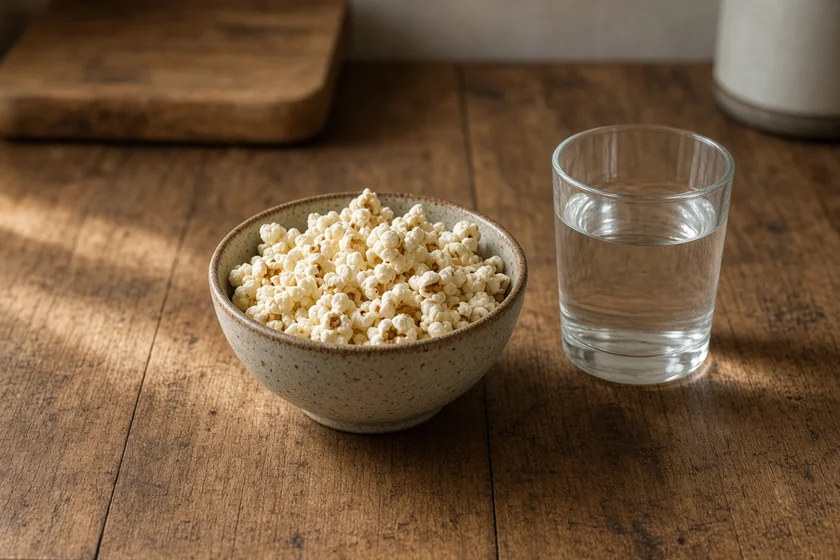
Whether popcorn is suitable for acid reflux often depends on portion size, preparation, toppings, and when you eat it.
Fact 5: Popcorn Can Still Cause Heartburn for Some People
Can popcorn cause heartburn? Yes, for some people. Popcorn isn't a common item on clinical trigger lists. Still, a very large bowl, a high-fat recipe, spicy seasoning, or a snack eaten right before bed can still bring on symptoms. The NIDDK encourages people to talk with their doctor about foods that seem to raise symptoms.
There's no official popcorn limit for GERD. If you want to test your tolerance, start with a small bowl of plain air-popped popcorn, such as about 2 cups, and see how you feel. That's an illustrative portion, not a medically established GERD serving size. A movie-size tub is a different meal, especially if it's buttered.
Look at the whole snack, not just the kernels. Coffee, soda, chocolate, or alcohol on the side can matter as much as the popcorn. NIDDK lists coffee, caffeine, chocolate, and alcohol among items commonly linked to GERD symptoms.
Fact 6: Eat Smaller Portions and Avoid Late-Night Snacking
What is the best popcorn for acid reflux? For many people, it's plain air-popped popcorn with little or no butter, a seasoning you already tolerate, and a modest portion eaten well before bed.
Try a small plain bowl first. If that sits well, you can test a light topping later. If a loaded bowl causes symptoms but a plain bowl does not, one or more toppings may be contributing. Consider the portion and timing as well. If even a small bowl of plain popcorn bothers you, choose another snack and mention that pattern to your doctor.
Timing matters as much as the recipe. Johns Hopkins advises avoiding late-night dinners and bedtime snacks. The NIDDK says eating meals at least 3 hours before lying down may improve nighttime symptoms. The American College of Gastroenterology (ACG) similarly suggests avoiding meals within 2 to 3 hours of bedtime. A late movie snack, then immediately lying down, is a common setup for nighttime reflux.
Keep a short food diary of the popcorn type, toppings, portion, time, and symptoms. That record is more useful than a general "yes or no" list. If you want another low-fat snack idea to compare, see Are Pretzels Good for Acid Reflux.
When to See a Doctor

Johns Hopkins Medicine advises seeing a doctor if you have heartburn two or more times a week and changes to your diet or eating pattern haven't helped. MedlinePlus notes that GERD can also cause a dry cough, hoarseness, or trouble swallowing.
The NIDDK also advises seeing a doctor for symptoms that could be related to GERD complications or other serious health problems:
- Problems swallowing or pain while swallowing
- Persistent vomiting or loss of appetite
- Blood in the vomit, or vomit that looks like coffee grounds
- Blood in the stool, or stool that looks black and tarry
- Weight loss you cannot explain
Emergency: Call 911 (or your local emergency number) right away if you have chest pain, especially with shortness of breath or pain in your jaw or arm. The American Heart Association notes that heartburn and heart problems can feel alike, so never assume chest pain is just reflux.
Conclusion
So, is popcorn good for acid reflux? A plain, air-popped bowl can be a suitable whole-grain snack if you tolerate it, but it isn't an established treatment. Fiber may promote fullness, and its relatively low fat content can make a modest snack easier to keep. Neither characteristic guarantees that it will prevent reflux symptoms. Butter, cheese, spicy toppings, and heavy oil often change the picture, and many microwave or movie-theater servings are much higher in fat. A modest portion, well-timed snacks, and a food diary can help you see which preparations you tolerate.
For another whole-grain breakfast option, see Is Oatmeal Good for Acid Reflux. For meal timing and sleep position, see our GERD relief guide.
Do you prefer plain air-popped, lightly seasoned, or buttered popcorn? Share your experience in the comments.
Related guides:
- Are pretzels good for acid reflux
- Is hummus good for GERD
- Are almonds good for GERD
Sources
- Eating, Diet, and Nutrition for GER and GERD (NIDDK)
- Symptoms and Causes of GER and GERD (NIDDK)
- GERD Diet: Foods That Help with Acid Reflux (Johns Hopkins Medicine)
- GERD Diet: Foods To Eat and Avoid (Cleveland Clinic)
- 7 Health Benefits of Popcorn (Cleveland Clinic)
- ACG Clinical Guideline for the Diagnosis and Management of Gastroesophageal Reflux Disease (American Journal of Gastroenterology, 2022)
- USDA FoodData Central nutrient records used in this article: popcorn, air-popped 167959, popcorn, oil-popped, salt added 170247, microwave popcorn, regular flavor, no trans fat 167549
- Gastroesophageal Reflux Disease (MedlinePlus)
- Heartburn or Heart Attack? (American Heart Association)
FAQ
1. Is popcorn good for GERD?
It can be a comfortable snack if you tolerate it, but it isn't a GERD treatment. Air-popped popcorn is a low-fat whole grain, and Johns Hopkins includes high-fiber whole grains among foods that may help prevent heartburn. Start with a modest plain bowl and simple seasonings, well before bed.
2. Is air-popped popcorn good for GERD?
Air-popped popcorn may suit some people with GERD because it is relatively low in fat and contains fiber. That differs from many buttered or oil-heavy preparations. Individual tolerance still varies, and no evidence shows that air-popped popcorn specifically prevents reflux symptoms. Start with a small portion and monitor your response.
3. Is buttered popcorn bad for acid reflux?
It can be, because butter and similar toppings increase the snack's fat content. High-fat foods are commonly linked to GERD symptoms. If you prefer adding oil or butter, start with a small amount and monitor your symptoms.
4. Is microwave popcorn bad for acid reflux?
Some microwave popcorn varieties contain more added fat and sodium than plain air-popped popcorn, but the nutrition varies by brand. Check the label and ingredient list, or pop plain kernels yourself to control the added fat and salt. "Light" bags can be lower in fat, but they may still include flavorings.
5. Can popcorn cause heartburn?
Yes, for some people, especially in a large portion, with high-fat or spicy toppings, or as a bedtime snack. Popcorn isn't a common item on clinical trigger lists, but timing and add-ins still matter. If a plain, modest bowl bothers you, mention that pattern to your doctor.
About the author

Health Researcher and Writer
Haider Nadeem is a health researcher and the writer behind Healthy Eats Guide. He writes about health problems he faces or sees people around him face, and turns careful research into practical guides. Articles are researched and drafted with AI assistance, then fact-checked and edited by Haider using cited sources such as USDA, NIH, and peer-reviewed research.
Related blogs

GERD Relief: 7 Proven Tips to Manage Flare-Ups
GERD relief that works: 7 proven tips covering meal timing, trigger foods, weight, sleep position, medicines and surgery, plus warning signs to act on.
9 min read
Is Oatmeal Good for Acid Reflux: 7 Evidence-Based Tips
Is oatmeal good for acid reflux? See why a plain bowl often sits well, how instant and overnight oats compare, and which toppings are less likely to trigger heartburn.
12 min read
Is Pineapple Good for Acid Reflux: 6 Essential Facts
Is pineapple good for acid reflux? Compare its pH with other fruits, see what bromelain can't do, and learn how juice, canned pineapple, and portions differ.
12 min read
Newsletter
Get practical nutrition guides in your inbox
Clear food-by-food advice and diet tips for everyday eating — no spam, unsubscribe anytime.