
Is Avocado Good for GERD: 6 Proven Facts
Is avocado good for GERD? See how fat, fiber, portion size, and guacamole add-ins may affect reflux, and learn how to enjoy avocado with fewer flare-ups.
By Healthy Eats Guide Team
Published
11 min read

Introduction
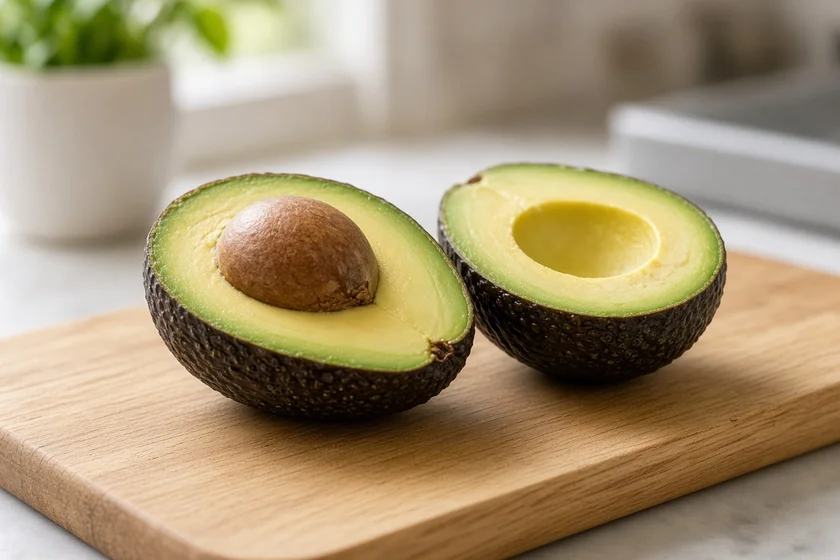
You're trying to eat better, so you swap your usual buttery breakfast for avocado toast. An hour later, there's that familiar burn in your chest. Was it the avocado, or something else on the plate? If you've been wondering, "Is avocado good for GERD?", you're asking a fair question.
Avocado has a lot going for it. It's creamy, filling, and naturally low in acid. Still, are avocados good for acid reflux for everyone? Not always. Avocado is also high in fat, and fat is one of the most common reflux concerns.
This guide walks through six practical facts. You'll learn what's actually in an avocado, how much tends to be a sensible serving, and why the guacamole or toast around it can matter as much as the fruit itself.
Fact Set 1: What's Inside an Avocado
Avocado isn't like most fruit. It's low in sugar and high in fat, with a good dose of fiber too. That mix explains both its appeal and its risks for reflux. Before deciding whether avocado is good for GERD in your own diet, it helps to understand what you're eating.
Fact 1: Most of the Fat Is Unsaturated, but It's Still Fat
Most of the fat in avocado is monounsaturated fat, the kind olive oil is also known for. These healthy fats are often recommended for heart health, and the Dietary Guidelines for Americans encourage choosing unsaturated fats over saturated ones.
Here's the catch for reflux. The NIDDK lists high-fat foods among possible GERD triggers, and that advice doesn't clearly separate "good" fats from "bad" ones. Fat-rich meals may delay stomach emptying and can worsen reflux symptoms in some people. Responses vary, and eating unsaturated fats doesn't automatically mean reflux. So avocado can be a heart-friendly choice and still bother your stomach if you eat a lot of it.
Think of it this way. Swapping two tablespoons of butter for a few slices of avocado is usually a step in the right direction. Adding a whole avocado on top of a cheesy omelet and buttered toast is not. Context is what counts, and that's easy to lose sight of when a food carries a "healthy" label.
Fact 2: Avocado Is Low in Acid and High in Fiber
Is avocado acidic or alkaline? Neither, really. Ripe avocado pulp is generally close to neutral, with published studies reporting pH values around 6.0 to 6.6. The exact value varies with variety, ripeness, and storage. That puts it among low-acid foods, unlike citrus or tomatoes. Keep in mind that a food's pH doesn't predict how well you'll tolerate it with GERD.
Avocado also brings fiber. According to USDA FoodData Central, 100 grams of raw avocado has about 6.7 grams of fiber. Fiber supports general digestive health, though it isn't a proven GERD treatment.
This combination can make avocado a handy option. It adds creaminess and flavor without the acidity of tomato sauces or citrus dressings. Some people find it an easy way to round out a meal, provided the portion stays reasonable.
Fact Set 2: Portion Size Makes the Difference
With avocado, the amount often matters more than the food itself. A few slices and a whole avocado are very different meals for your stomach. So is avocado good for heartburn? The honest answer often depends on how much ends up on your plate. These two facts explain why.
Fact 3: A Modest Serving Is a Practical Starting Point
How much avocado can you eat with acid reflux? There's no official limit, because tolerance varies widely. About 50 grams, or roughly one-third of a medium avocado, is a standard label reference serving. It's a useful starting point, not a clinical GERD limit. Avocado sizes vary, so weighing is more accurate than eyeballing.
Here's how the numbers grow with portion size, based on USDA FoodData Central values for raw avocado.
| Amount of Raw Avocado | Approx. Calories | Approx. Fat | Approx. Fiber |
|---|---|---|---|
| 50 g (about one-third of a medium avocado) | About 80 | About 7 g | About 3 g |
| 100 g | About 160 | About 15 g | About 7 g |
| 150 g (about one medium avocado) | About 240 | About 22 g | About 10 g |
Table: USDA FoodData Central reference values for raw avocado, scaled by weight. Size and variety vary.
As you can see, eating a whole avocado in one sitting means taking in roughly three times the fat of a single serving. If you tend to get reflux after rich meals, that difference may matter.
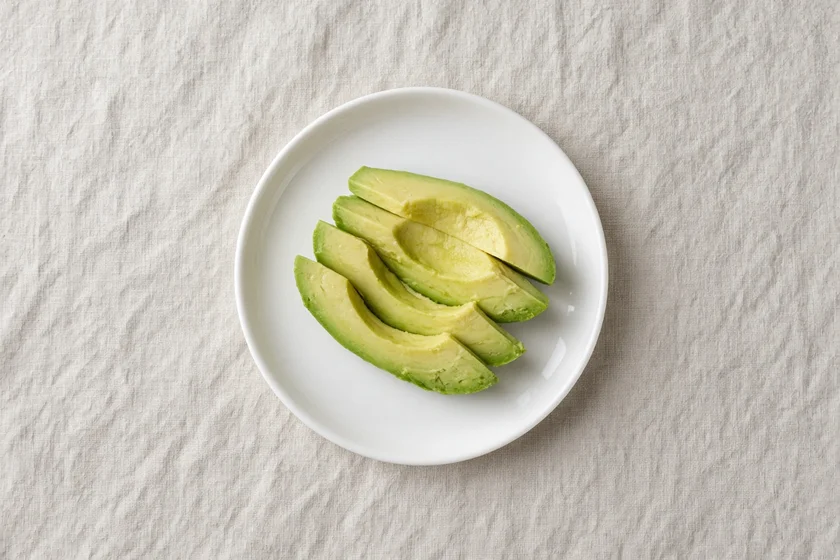
No scale? As an approximate guide, one-third of a medium avocado is about three or four thin slices, or roughly two heaping tablespoons mashed. If that sits well, you can try a little more next time and see where your comfort zone ends.
Fact 4: Avocado Can Cause Heartburn for Some People
Can avocado cause heartburn? For some people, yes. Avocado isn't a classic trigger like chocolate or spicy food, but its fat content means a large portion may lead to symptoms, especially when it's part of an already heavy meal.
Other people eat avocado most days without any trouble. That's why the NIDDK emphasizes that GERD triggers vary from person to person. A simple test is to try a small serving on its own, at a time when you'd usually feel fine, and see how you respond over the next few hours.
If you do notice a pattern, you don't have to cut avocado out completely. Try a smaller amount, pair it with lighter foods, or move it to an earlier meal before deciding it's not for you.
Fact Set 3: Guacamole, Toast, and Timing
Avocado rarely shows up alone. It's mashed into guacamole, spread on toast, or tucked into salads and wraps. The ingredients that come with it can be bigger reflux triggers than the avocado. These final facts cover the most popular ways to eat it and how to make them gentler.
Fact 5: Guacamole Add-Ins Can Be the Real Problem
Is guacamole bad for acid reflux? It can be, but usually because of what's mixed in. Classic guacamole often includes onion, garlic, tomato, lime juice, and hot peppers. Any of these may bother some people with GERD. Triggers vary, so you don't necessarily need to avoid them all.
Then there are the chips. Fried tortilla chips add extra fat, and it's easy to eat a lot of them. If guacamole bothers you, try these swaps:
- Make a milder version with just avocado, a pinch of salt, and fresh cilantro
- Scoop it with cucumber slices or baked crackers instead of fried chips
- Keep your portion to a few spoonfuls rather than the whole bowl
Fact 6: Avocado Toast Can Work With a Few Tweaks
Is avocado toast good for GERD? It can be a reasonable breakfast for many people. A slice of toast with a thin layer of avocado is fairly simple, and it pairs well with an egg for extra protein. Whole-grain bread is a good choice for many, though not everyone with reflux tolerates every bread the same way.
The trouble usually comes from toppings. Chili flakes, hot sauce, tomato, and a heavy squeeze of lemon may irritate reflux for some people. Thick layers of avocado plus bacon or cheese also push the fat level up fast.
Timing matters too. The ACG suggests avoiding meals in the two to three hours before lying down. What matters most is the gap between eating and lying down, not which meal it is. A big guacamole snack right before bed is more likely to cause trouble than the same food eaten a few hours earlier. A food and symptom diary can help you spot what works for you.
Here's one example of a gentler plate. Spread about one-third of an avocado on a slice of whole-grain toast, add a soft-boiled egg, and finish with a pinch of salt and some chopped herbs. It's filling, fairly simple, and free of the most common trigger toppings. So, is avocado good for GERD in a meal like this? For many people, it's a good place to start.

When to See a Doctor
Diet changes can help with mild reflux, but some symptoms need a doctor's attention.
Book a routine visit with your doctor if you have:
- Frequent heartburn, particularly two or more times a week, which warrants medical evaluation
- An ongoing need for nonprescription heartburn medicine
- Symptoms that keep coming back even after diet changes
- A sour taste, hoarse voice, or cough that won't go away, which can have several causes
Seek prompt medical care if you have:
- Difficulty swallowing or a sensation that food is getting stuck
- Pain when swallowing
- Weight loss you can't explain
- Persistent nausea or vomiting
Untreated GERD can lead to problems such as inflammation or narrowing of the esophagus, or a condition called Barrett's esophagus. A doctor can confirm what's going on and talk through treatment options with you.
Emergency: Call 911 (or your local emergency number) right away if you have chest pain or pressure, especially with shortness of breath, sweating, or pain spreading to your arm, jaw, or back. Heart attack symptoms can feel like heartburn, so never assume it's just reflux. Also get emergency care if you vomit blood, pass black or tarry stools, or can't swallow liquids.
Conclusion
So, is avocado good for GERD? For many people, a modest portion can fit into a reflux-friendly diet. It's low in acid, rich in fiber, and full of healthy fats. But it's still a high-fat food, so large servings may cause symptoms for some people.
Start with about one-third of an avocado, keep guacamole mild, and go easy on spicy or acidic toppings. Leave a few hours between eating and lying down, and let your own symptoms guide you.
For a wider look at food choices and heartburn, read our guide, Is Cheese Good for Acid Reflux?

Have a favorite reflux-friendly way to eat avocado? Share it in the comments to help other readers.
Sources
- Eating, Diet, and Nutrition for GER and GERD (NIDDK)
- ACG Clinical Guideline for the Diagnosis and Management of Gastroesophageal Reflux Disease (PubMed)
- FoodData Central (USDA)
- Dietary Guidelines for Americans
- Gastroesophageal Reflux Disease (MedlinePlus)
FAQ
These quick answers cover the questions people ask most often about avocado and reflux.
1. Are avocados good for acid reflux?
For many people, a modest portion is fine. Avocado is low in acid and high in fiber, but it's also high in fat, so large servings may trigger symptoms for some people.
2. Is avocado acidic or alkaline?
Ripe avocado pulp is generally close to neutral, with published studies reporting pH values around 6.0 to 6.6. Still, pH alone doesn't predict how well you'll tolerate it.
3. How much avocado can you eat with acid reflux?
There's no set limit. About one-third of a medium avocado, roughly 50 grams, is a practical starting portion. Adjust based on how your symptoms respond.
4. Is guacamole bad for acid reflux?
It can be for some people, mostly because of onion, garlic, tomato, lime, hot peppers, and fried chips. A mild version with simple dippers may be easier to tolerate.
5. Is avocado toast good for GERD?
It can be for many people, especially with a thin layer of avocado on bread you tolerate. Skip chili flakes, hot sauce, and tomato if they bother you, and avoid eating it close to bedtime.
About the author
Healthy Eats Guide Team
Editorial Team
The Healthy Eats Guide editorial team researches and writes practical health and wellness content focused on clarity, sourcing, and everyday usefulness.
Related blogs
Is Yogurt Good for Acid Reflux: 7 Proven Facts
Is yogurt good for acid reflux? Learn how fat, Greek styles, live cultures, and toppings may affect yogurt for GERD, and find the bowl that suits you.
11 min read
Is Cottage Cheese Good for GERD: 6 Essential Facts
Is cottage cheese good for GERD? Learn how fat, sodium, acidity, portions, and pairings may affect reflux, and how to test your own tolerance.
11 min read
Is Cheese Good for Acid Reflux: 7 Proven Facts
Is cheese good for acid reflux? Learn which cheeses are gentler on GERD, why high-fat dairy can trigger heartburn, and how portion and timing change the answer.
11 min read
Newsletter
Get practical health guides in your inbox
Occasional updates with clear nutrition, habits, and wellness reading — no spam, unsubscribe anytime.