
Is Cheese Good for Acid Reflux: 7 Proven Facts
Is cheese good for acid reflux? Learn which cheeses are gentler on GERD, why high-fat dairy can trigger heartburn, and how portion and timing change the answer.
By Healthy Eats Guide Team
Published
11 min read


Introduction
It's late, you're hungry, and the easiest snack in the fridge is a block of cheddar. If you live with heartburn or gastroesophageal reflux disease (GERD), you might pause before taking a bite and wonder: Is cheese good for acid reflux, or will this snack keep you awake with a burning chest?
The honest answer is that it depends on the type of cheese, how much you eat, and when you eat it. Cheese isn't automatically a trigger, and it isn't automatically safe. Fat content does most of the work, along with portion size and the rest of the meal.
This guide covers seven facts drawn from clinical guidance and nutrition data. You'll learn why some cheeses tend to cause more trouble than others, what cheese is good for acid reflux, how timing affects nighttime symptoms, and when heartburn deserves a doctor's attention rather than a menu change.
Fact Set 1: How Cheese Affects Reflux
Reflux happens when stomach contents flow back up into the esophagus, the muscular passage that links your throat to your stomach. At its lower end sits the lower esophageal sphincter (LES), a band of muscle that usually acts like a one-way valve. When it relaxes at the wrong time, or when the stomach is very full, acid can slip upward and cause the familiar burning feeling.
Fact 1: Fat Content Matters More Than the Word "Cheese"
Is cheese ok for acid reflux, and is cheese good for GERD in general? For many people, small amounts of lower-fat cheese are tolerated well. The bigger concern is high-fat dairy. The National Institute of Diabetes and Digestive and Kidney Diseases (NIDDK) notes that people with GERD may find high-fat foods worsen their symptoms, although individual triggers vary.
Fat is often said to relax the LES or slow digestion, but the research is mixed. In a small 1999 randomized trial by Pehl and colleagues, 12 healthy volunteers showed no clear difference in LES pressure or reflux episodes after high-fat versus low-fat meals with the same calories, and the American College of Gastroenterology (ACG) describes the evidence for restricting specific foods as limited. What's clearer is that high-fat meals may worsen symptoms in some people. A rich, gooey cheese dish therefore isn't the same as a few crumbles of feta on a salad, even though both count as cheese.
Fact 2: Big, Cheesy Meals Are More Likely to Cause Trouble
Gastric emptying describes how quickly a meal passes out of your stomach and on to the next stage of digestion. It varies with the meal and the person, so it's hard to make a rule from it. In practice, large or high-fat meals may aggravate reflux, and lying down soon after eating makes reflux more likely. Staying upright after meals and not eating close to bedtime may help.
This is why a heavy plate of macaroni and cheese or a deep-dish pizza is a common complaint among people with heartburn. The cheese is part of the problem, but so are the meal's total size and fat load.
Want a deeper dive into cottage cheese and GERD? A dedicated guide is coming soon.
Fact Set 2: Which Cheeses Tend to Be Gentler
Not every cheese carries the same fat load. Comparing labels is one of the simplest ways to make cheese fit a GERD diet. Nutrition values vary by brand, so treat the figures below as rough guides and check the package you buy.
Fact 3: Lower-Fat and Fresh Cheeses Are Usually Easier to Tolerate
What kind of cheese can you eat with GERD? Many people do better with part-skim mozzarella, reduced-fat cheese slices, or part-skim ricotta, which are generally lower in fat than their regular versions. Feta and goat cheese vary by product and serving, so compare nutrition labels. Cream cheese is relatively high in fat, though reduced-fat versions exist. Small portions of other cheeses may also be tolerated.
Is low-fat cheese OK for acid reflux? It's often a better choice than full-fat versions, since lowering fat is one of the most common dietary tips for reflux. That said, tolerance is personal. Some people find any cheese bothers them, while others eat moderate amounts without symptoms.
| Cheese | Typical Fat Level | Reflux Notes |
|---|---|---|
| Part-skim mozzarella | Lower to moderate | Often tolerated in small portions |
| Reduced-fat cheddar | Lower than regular cheddar | A gentler swap for sandwiches |
| Feta | Varies by product | Strong flavor, so a little goes far |
| Goat cheese | Varies by product | Small crumbles may suit some people |
| Full-fat cheddar | High | Larger portions may trigger heartburn |
| Cream cheese and brie | High | Rich and easy to overeat |
Table 1: How common cheeses compare for people managing acid reflux.

Fact 4: Aged, Full-Fat Cheeses Need Smaller Portions
Is cheddar cheese bad for heartburn? Not for everyone, but full-fat cheddar is calorie-dense and fairly high in fat, so large portions are more likely to cause trouble. Based on USDA FoodData Central, 1 ounce of regular cheddar contains about 9 grams of fat, while 1 ounce of part-skim mozzarella has about 5.6 grams. Brands and varieties differ, so check the label.
If you love sharp cheddar or parmesan, you don't need to give them up completely. Grate a small amount over food instead of eating thick slices. The flavor stays strong while the fat load drops.
Is feta cheese good for GERD? Feta is softer and tangy, and a little goes a long way. Many people with reflux use small amounts to boost flavor. Feta is also salty, so keep portions modest if you're watching sodium.
Want a deeper dive into yogurt and acid reflux? A dedicated guide is coming soon.
Fact Set 3: Portion, Timing, and the Whole Meal
Even a gentle cheese can cause problems if the rest of your eating pattern works against you. These final facts focus on how much, when, and with what you eat.
Fact 5: Cheese Late at Night Can Make Symptoms Worse
Does cheese trigger reflux at night? It can, mostly because of timing, rather than the cheese itself. Lying down after eating makes it easier for acid to travel back up. NIDDK advises eating meals at least 3 hours before lying down. If heartburn often strikes at night, raising the head of your bed by about 6 to 8 inches may help.
A cheese plate after dinner or a late slice of pizza is a classic setup for a rough night. If you want an evening snack, choose a small portion of a lighter cheese and eat it earlier.
Fact 6: What You Pair With Cheese Changes the Load
Cheese often arrives with other foods that may trigger or worsen symptoms in some people. Tomato sauce, alcohol such as wine, and spicy toppings are commonly listed, and high-fat foods like pepperoni or fried bread can add to the load. None of these is a universal trigger, so your own experience matters most.
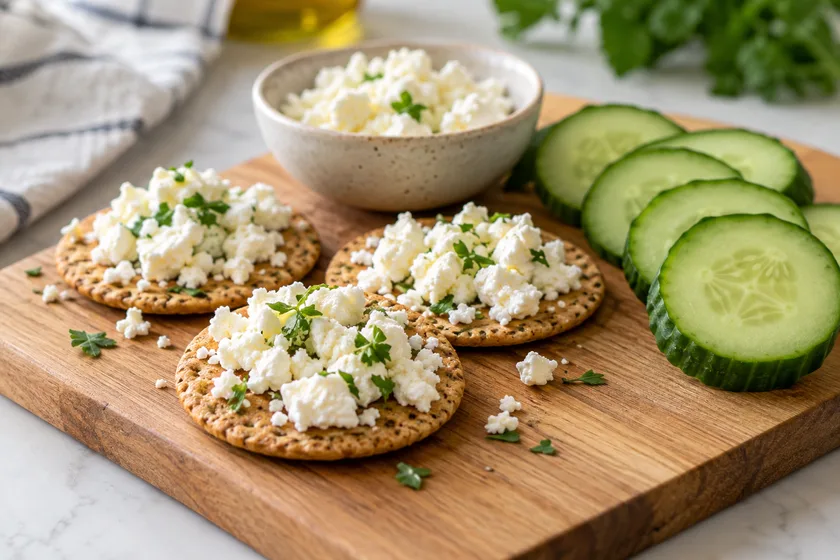
Pairing a small amount of cheese with gentler foods such as whole-grain crackers, cucumber, or a baked sweet potato may feel easier on your stomach. Our guide on sweet potato and GERD explains why that pairing often works well. Many people also swap butter for a little olive oil or add a few slices of avocado instead of extra cheese, though tolerance varies with these fats too.
Want a deeper dive into avocado and GERD? A dedicated guide is coming soon.
Fact 7: Cheese Brings Nutrition, so Moderation Beats Avoidance
Cheese supplies protein, calcium, and other nutrients, which is one reason many people don't want to cut it out. Rather than banning it, a practical approach is to keep a short food-and-symptom diary for two weeks. Note the type of cheese, the portion, the time, and how you felt afterward.
Patterns usually appear quickly. You may discover that a slice of part-skim mozzarella at lunch is fine, while cheesy pasta at dinner always backfires. That kind of personal data is far more useful than a general list of "good" and "bad" foods.
If you are lactose intolerant, cheese may also cause bloating or gas. That's a separate issue from reflux, though the symptoms can overlap. Hard cheeses such as cheddar and Swiss have much less lactose than milk, though they aren't completely lactose-free.
Want a deeper dive into olive oil and acid reflux? A dedicated guide is coming soon.
When to See a Doctor
Occasional heartburn is common, but some symptoms need a closer look.
Book a routine visit with your doctor if you have:
- Heartburn two or more times a week
- A need for nonprescription heartburn medicine more than twice a week, as the Mayo Clinic advises
- Hoarseness, a chronic cough, or wheezing, which can come from reflux but also from other causes
Seek prompt medical care if you have:
- Trouble swallowing or a feeling that food gets stuck
- Pain when swallowing
- Unintended weight loss
- Persistent nausea or vomiting
Long-term, untreated GERD can lead to complications such as inflammation, narrowing of the esophagus, or Barrett's esophagus. A doctor can check for complications and discuss treatment options, including medicines that lower stomach acid. Diet changes work best alongside this kind of care, not instead of it.
Emergency: Call 911 (or your local emergency number) if you have chest pain, especially with shortness of breath, sweating, or pain spreading to your arm, jaw, or back. Never assume chest pain is just reflux, since heart attack symptoms can feel like heartburn. Also seek emergency care if you vomit blood, have black or tarry stools, or cannot swallow saliva or liquids.
Conclusion
So, is cheese good for acid reflux? Here are the 7 facts in short: high-fat dairy is the main concern, big cheesy meals are riskier, lower-fat cheeses are often gentler, full-fat cheeses need smaller portions, late-night cheese can worsen symptoms, pairings change the load, and moderation works better than avoidance. Triggers vary, so no cheese is guaranteed safe for everyone.
Focus on the whole meal, not just the cheese, and use a simple symptom diary to learn your own limits.
For broader strategies such as meal timing, sleep position, and weight management, see our guide to GERD relief. Pair those habits with smarter cheese choices for the best chance of enjoying food without the burn.

Have you found a cheese that sits well with your reflux? Share what worked for you in the comments.
Related guides coming soon:
- Is cottage cheese good for GERD
- Is yogurt good for acid reflux
- Is avocado good for GERD
- Is olive oil good for acid reflux
Sources
- Eating, Diet, and Nutrition for GER and GERD (NIDDK)
- ACG Clinical Guideline for the Diagnosis and Management of Gastroesophageal Reflux Disease (PubMed)
- Gastroesophageal Reflux Disease (MedlinePlus)
- Effect of Low and High Fat Meals on Lower Esophageal Sphincter Motility and Gastroesophageal Reflux in Healthy Subjects (Pehl et al., 1999, PubMed)
- GERD Symptoms and Causes (Mayo Clinic)
- FoodData Central (USDA)
FAQ
These short answers cover the most common questions people ask about cheese and heartburn.
1. Is cheese good for acid reflux?
It can be in small portions, especially lower-fat types. High-fat cheeses and large cheesy meals are more likely to trigger heartburn.
2. What cheese is best for acid reflux?
Many people tolerate part-skim mozzarella or reduced-fat cheese, and small portions of others. Compare labels, since fat varies by product. Tolerance varies, so track your own symptoms.
3. Is low-fat cheese better for GERD?
Usually, yes. Cutting fat is a common reflux tip, so lower-fat cheese is often gentler than full-fat versions.
4. Can I eat cheese before bed with acid reflux?
It's best to avoid it. Try to finish eating at least 3 hours before lying down to lower the chance of nighttime heartburn.
5. Does cheese cause heartburn for everyone with GERD?
No. Some people eat moderate amounts without trouble, while others react to small portions. A food and symptom diary helps you find your limit.
About the author
Healthy Eats Guide Team
Editorial Team
The Healthy Eats Guide editorial team researches and writes practical health and wellness content focused on clarity, sourcing, and everyday usefulness.
Related blogs
Is Almond Flour Low FODMAP: 7 Proven Facts
Is almond flour low FODMAP? Learn the tested serving size, why GOS limits portions, and how to bake with almond flour without triggering IBS symptoms.
12 min read
Is Bone Broth Healthy: 8 Essential Benefits to Know
Is bone broth healthy? Learn 8 essential bone broth benefits, from fluids to protein, what science supports, and how to choose a low-sodium cup. Read more.
13 min read
Heart Failure Diet: 10 Essential Foods for Better Heart Health
A heart failure diet built on 10 essential low-sodium foods, plus label-reading tips, potassium and fluid cautions, a sample meal plan and warning signs to report.
16 min read
Newsletter
Get practical health guides in your inbox
Occasional updates with clear nutrition, habits, and wellness reading — no spam, unsubscribe anytime.