
Is Bone Broth Healthy: 8 Essential Benefits to Know
Is bone broth healthy? Learn 8 essential bone broth benefits, from fluids to protein, what science supports, and how to choose a low-sodium cup. Read more.
By Healthy Eats Guide Team
Published
13 min read
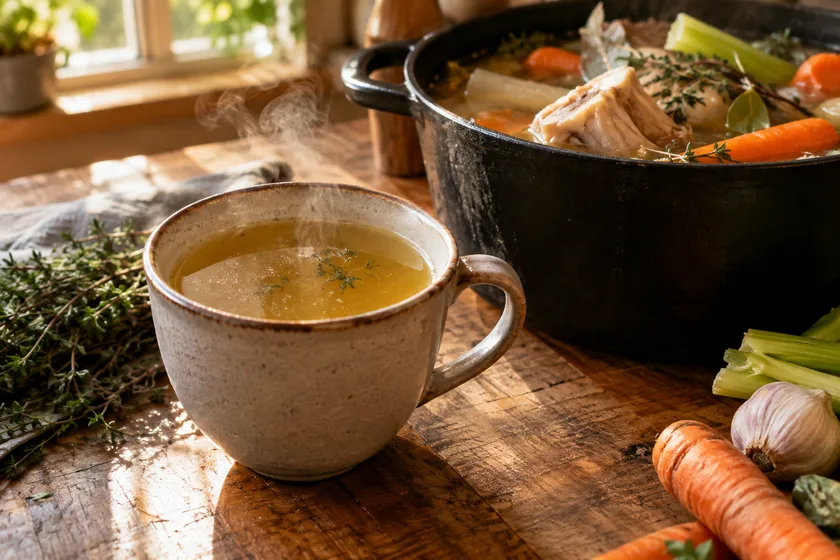
It's a cold evening, you're a little run down, and someone hands you a warm mug of broth. You feel better almost right away. But is that only comfort talking, or is something real going on? Is bone broth healthy, or is it mostly a wellness trend with a nice story behind it?
The honest answer sits somewhere in the middle. Bone broth benefits are real in a few areas, like fluid intake, gentle nourishment, and a little extra protein. In other areas, the online hype runs well ahead of the science. Claims that a mug a day will rebuild your joints or "heal your gut" haven't been proven in people.
This guide walks through eight practical benefits, explains what the research actually supports, and flags the things worth watching, like sodium. By the end, you'll know whether bone broth deserves a spot in your kitchen and how to use it well.
What Nutrients Are in Bone Broth, Really?
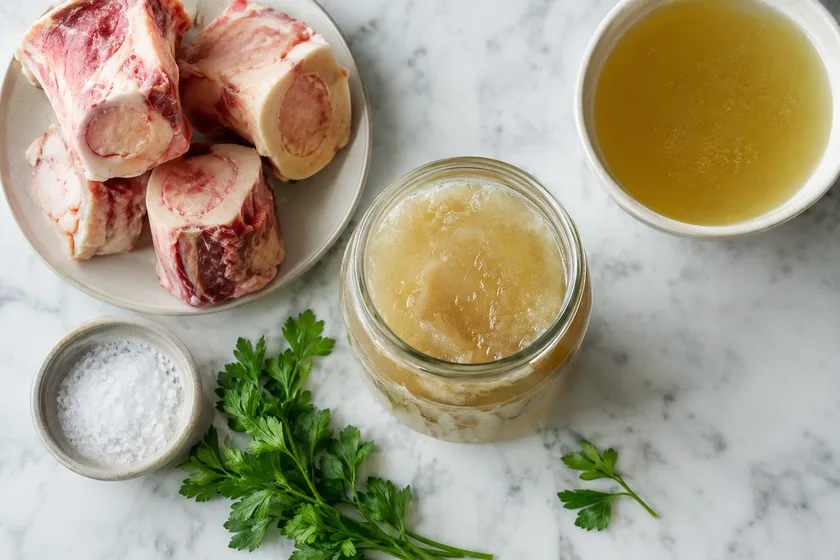
Bone broth is made by simmering animal bones, often with some meat, cartilage, vegetables, and a splash of vinegar, for many hours. That long cook pulls collagen out of connective tissue and turns it into gelatin, which is why good homemade broth wobbles like jelly once it's chilled. So what nutrients are in bone broth? Mostly water, protein, gelatin, sodium, and small amounts of minerals, though amounts vary widely between pots.
That variability matters more than most articles admit. Bone broth nutrition depends on the bones used, cooking time, acidity, how much water goes in, and whether salt is added. A thin store-bought carton and a thick homemade stock can be very different foods.
Benefit 1: An Easy Way to Add Fluids
Most people think of fluids as water, tea, or coffee. Broth counts too, and it usually adds sodium. For some people, a warm, savory drink is easier to sip than another glass of water, especially when they're feeling unwell.
Let's keep this in proportion, though. For everyday hydration, plain water is an excellent choice, and broth has no special advantage. The NIDDK lists broths among the drinks that help replace fluids and electrolytes during diarrhea, alongside oral rehydration solutions. Still, broth's sodium and potassium vary a lot between products, so it isn't a substitute for a proper rehydration solution after heavy losses, and severe dehydration needs medical care.
Benefit 2: Some Protein Without Many Calories
Here's where bone broth earns its keep. Packaged bone broths often list roughly 7 to 10 grams of bone broth protein per cup, usually for around 40 to 50 calories, which matches what dietitians at OSF HealthCare describe. Regular broth or stock usually has far less, so it pays to read labels.
There's an important catch. Much of that protein comes from collagen, which is an incomplete protein. It contains no tryptophan and is low in several other essential amino acids, as a 2019 analysis in Nutrients explains. So broth can add to your daily protein total, but it shouldn't be your main source. Eggs, dairy, fish, poultry, soy, beans, and lentils still do the heavy lifting. Browse our high-protein meals for ideas.
Benefit 3: Amino Acids Like Glycine and Proline
Gelatin from broth is rich in certain amino acids, especially glycine, proline, and hydroxyproline. Your body uses these to build its own collagen and for many other jobs. Glycine has also been tested for sleep. In one small trial of 11 adults, a 3-gram glycine supplement before bed improved self-reported sleep quality.
Here's why that doesn't translate neatly to your mug. That study used a measured supplement dose, and a 2019 lab analysis found the amino acid content of bone broths was lower and far less consistent than a standard collagen supplement. There's no good evidence that the variable glycine in broth improves sleep.
What about minerals? Many people assume bone broth is loaded with calcium. A 2017 study of animal bone broths found calcium and magnesium were under 5% of daily recommended levels per serving. Dairy, leafy greens, calcium-set tofu, and fortified foods remain much better sources.
Want a deeper dive into bone broth nutrition? A dedicated guide is coming soon.
Can Bone Broth Support Gut Health and Digestion?

This is the claim you'll see most often, and it deserves a straight answer. Is bone broth good for digestion? Many people find it easy to tolerate, warm, and soothing, and that alone has value. But the popular idea that it "seals a leaky gut" comes mostly from animal studies and theory, not solid human trials. Children's Hospital of Philadelphia notes that research hasn't proven bone broth improves gut health or digestion.
Benefit 4: Gentle on a Sensitive Stomach
When your stomach is unsettled, heavy or spicy food can feel like too much. Skimmed broth is low in fat and fiber and simple to sip. Clear broth is also part of short-term clear liquid diets that doctors sometimes prescribe before certain tests or procedures, or for some illnesses.
Two caveats matter here. Whether broth fits your situation depends on your condition and your care team's instructions, and clear liquid diets aren't nutritionally complete, so they shouldn't be followed for long without medical guidance. Think of broth as a comforting food, not a treatment. If you have ongoing reflux, pain, or changes in bowel habits, see a doctor. Our GERD relief guide covers practical steps for reflux.
Benefit 5: A Warm Ally When You Have No Appetite
Illness, stress, medications, and aging can all dull hunger. On those days, a full plate may feel impossible, yet a mug of something warm and savory goes down easily. Broth gives you fluid and some protein with very little effort.
On its own, though, a cup supplies few calories and won't meet your nutrient needs. A practical fix is to fortify it. Stir in shredded chicken, an egg whisked in at a simmer, soft noodles, rice, or mashed beans, and that simple cup becomes a light meal. If poor appetite lasts, or you're losing weight without trying, talk to a doctor or registered dietitian. For more ideas, see what to eat when you have no appetite.
Benefit 6: Comfort During a Cold
Warm fluids can soothe a sore throat and help you keep drinking when you're sick. A well-known 2000 lab study in Chest found chicken soup slowed the movement of certain immune cells in a test tube, which researchers suggested might reflect a mild anti-inflammatory effect.
Notice the wording, though. That was a lab finding, not proof that broth shortens a cold. According to the CDC, you should see a healthcare provider if symptoms last more than 10 days without improving, a fever lasts more than four days, symptoms get better and then return, or you have trouble breathing or signs of dehydration. People at higher risk of complications should check in sooner.
Want a deeper dive into bone broth and gut health? A dedicated guide is coming soon.
Collagen, Joints, Skin, and How Often You Should Drink It

Collagen is the headline ingredient on most bone broth labels. It's the main structural protein in skin, tendons, and cartilage, so it's easy to see why people link broth with smoother skin and happier knees. The real question is whether eating collagen, in broth form, changes those tissues.
Your body doesn't move swallowed collagen straight into your joints. Instead, it digests collagen into amino acids and small peptides, then uses them wherever they're needed. That detail shapes the last two benefits.
Benefit 7: Possible Support for Joints
A 2019 meta-analysis of placebo-controlled trials found collagen supplements modestly improved overall osteoarthritis symptom scores, mainly stiffness, without clear effects on pain. Studies varied in dose, product, and population, so the evidence is mixed. And those trials used specific supplements, not broth.
Broth's collagen content varies and hasn't been studied as a joint treatment, so we can't assume it works the same way. If joint pain is your main concern, broth fits best inside a bigger pattern of movement, a healthy weight, and anti-inflammatory foods. Our best diet for arthritis and top anti-inflammatory foods guides go further.
Benefit 8: Part of a Skin-Friendly Eating Pattern
A 2021 systematic review and meta-analysis of 19 trials reported that hydrolyzed collagen supplements improved skin hydration and elasticity. Still, products, doses, and study quality varied, and many trials were small. None of this can be assumed to apply to broth.
Where broth helps is indirect. It makes it easier to eat more vegetables, beans, and grains in soups and stews. That overall pattern supports healthy skin. Sunscreen, not smoking, and good sleep still matter far more.
So, how often should you drink bone broth? There's no established recommended intake. For most healthy adults, it can be enjoyed occasionally or regularly as part of a balanced diet, as long as its sodium fits your day. It's optional, and you don't need it to meet protein or collagen needs. The table below compares common options.
| Option | Typical protein per cup | Sodium | Best for |
|---|---|---|---|
| Homemade bone broth, unsalted | Varies widely | Depends on what you add | Cooking, sipping |
| Store-bought bone broth | Often about 7 to 10 g | Often about 250 to 450 mg | Convenience, protein top-up |
| Regular broth or stock | Usually lower | Often high unless labeled low sodium | Flavor base for recipes |
| Bouillon cubes or powder | Very little | Usually very high | Occasional flavor only |
Table: Typical ranges from sample product labels. Values vary by brand and recipe, so always check the nutrition label.
A few people need more care. If you have high blood pressure, heart failure, or kidney disease, you may need to limit sodium, and some people also have individual limits on fluid, protein, potassium, or phosphorus. Homemade isn't automatically low in salt. Check labels, count broth toward your daily totals, and ask your doctor or dietitian before making it a regular habit. Our heart failure diet guide explains why sodium matters.
Some people with suspected histamine intolerance say certain broths bother them. A 2020 review explains that histamine in foods can build up with longer storage and poorer freshness, but reliable data on typical bone broths is limited. Personal guidance from a clinician beats blanket rules here.
Lead is the other question people ask. A small 2013 pilot study found lead in organic chicken broths at several times the level of the cooking water. The larger 2017 analysis found only a few micrograms of lead and cadmium per serving, well below reference limits. That's reassuring, but it doesn't cover every product. If you're concerned, look for brands that share independent testing results.
Want a deeper dive into collagen, joints, and how much bone broth to drink? A dedicated guide is coming soon.
Frequently Asked Questions About Bone Broth
These are the questions readers ask most once the hype wears off. Short, honest answers help you decide how bone broth fits your own routine.
What are the health benefits of bone broth? It adds fluid, some protein, and amino acids like glycine with few calories. It's comforting when you're sick or not hungry. Joint and skin benefits come from supplement studies and aren't proven for broth.
Is bone broth good for digestion? Many people find it soothing and easy to tolerate. However, there's no strong human evidence that it heals the gut or treats digestive conditions. Ongoing symptoms deserve a medical check.
How often should you drink bone broth? There's no recommended amount. Healthy adults can enjoy it as an optional part of a balanced diet. If you limit sodium or fluids for a health condition, ask your care team first.
Does bone broth contain a lot of collagen? It contains gelatin, the cooked form of collagen, but amounts vary widely. Your body breaks it down into amino acids rather than sending collagen straight to skin or joints.
Conclusion
So, is bone broth healthy? For most people, yes, as a supporting player. Its real strengths are extra fluid, a little low-calorie protein, and comfort when you're unwell or not hungry. The bigger promises about joints, skin, and gut repair are still more hopeful than proven, so enjoy bone broth benefits without expecting miracles.
Choose lower-sodium options, use broth to build vegetable-rich soups, and keep complete protein foods at the center of your plate.
Have you tried making your own? Share your favorite recipe in the comments, or explore our whole foods list next.
Related guides coming soon:
- What Nutrients Are in Bone Broth, Really?
- Can Bone Broth Support Gut Health and Digestion?
- Collagen, Joints, Skin, and How Often You Should Drink It
Sources
- Alcock RD, Shaw GC, Burke LM. Bone Broth Unlikely to Provide Reliable Concentrations of Collagen Precursors Compared With Supplemental Sources of Collagen Used in Collagen Research. Int J Sport Nutr Exerc Metab. 2019, 29(3):265-272. doi:10.1123/ijsnem.2018-0139
- Hsu DJ, Lee CW, Tsai WC, Chien YC. Essential and Toxic Metals in Animal Bone Broths. Food Nutr Res. 2017, 61(1):1347478. doi:10.1080/16546628.2017.1347478
- Rennard BO, Ertl RF, Gossman GL, Robbins RA, Rennard SI. Chicken Soup Inhibits Neutrophil Chemotaxis In Vitro. Chest. 2000, 118(4):1150-1157. doi:10.1378/chest.118.4.1150
- Monro JA, Leon R, Puri BK. The Risk of Lead Contamination in Bone Broth Diets. Med Hypotheses. 2013, 80(4):389-390. doi:10.1016/j.mehy.2012.12.026
- Yamadera W, Inagawa K, Chiba S, Bannai M, Takahashi M, Nakayama K. Glycine Ingestion Improves Subjective Sleep Quality in Human Volunteers, Correlating With Polysomnographic Changes. Sleep Biol Rhythms. 2007, 5(2):126-131. doi:10.1111/j.1479-8425.2007.00262.x
- García-Coronado JM, et al. Effect of Collagen Supplementation on Osteoarthritis Symptoms: A Meta-Analysis of Randomized Placebo-Controlled Trials. Int Orthop. 2019, 43(3):531-538. doi:10.1007/s00264-018-4211-5
- de Miranda RB, Weimer P, Rossi RC. Effects of Hydrolyzed Collagen Supplementation on Skin Aging: A Systematic Review and Meta-Analysis. Int J Dermatol. 2021, 60(12):1449-1461. doi:10.1111/ijd.15518
- Comas-Basté O, et al. Histamine Intolerance: The Current State of the Art. Biomolecules. 2020, 10(8):1181. doi:10.3390/biom10081181
- Paul C, Leser S, Oesser S. Significant Amounts of Functional Collagen Peptides Can Be Incorporated in the Diet While Maintaining Indispensable Amino Acid Balance. Nutrients. 2019, 11(5):1079. doi:10.3390/nu11051079
- Children's Hospital of Philadelphia. Food as Medicine: Therapeutic Use of Broths.
- OSF HealthCare. In Hot Water Over Bone Broth.
- MedlinePlus. Clear Liquid Diet.
- CDC. Manage Common Cold.
- NIDDK. Treatment of Diarrhea.
This article is for general information and isn't a substitute for personal medical advice. Talk with your doctor or a registered dietitian before making major diet changes, especially if you have a health condition.
About the author
Healthy Eats Guide Team
Editorial Team
The Healthy Eats Guide editorial team researches and writes practical health and wellness content focused on clarity, sourcing, and everyday usefulness.
Related blogs
Heart Failure Diet: 10 Essential Foods for Better Heart Health
Heart failure diet: Discover 10 essential foods and a heart healthy meal plan to support circulation, reduce strain, and protect your heart. Start today.
15 min read

Best Diet for Arthritis: 7 Essential Foods for Joint Health
Best diet for arthritis: foods for joint health and foods that help arthritis. Improve mobility and reduce pain. Start reading today.
8 min read
Anti-Inflammatory Snacks: 10 Proven Fruits for Inflammation
Anti-inflammatory snacks with fruits for inflammation and foods that are anti inflammatory. Discover a low inflammatory breakfast guide and boost health now.
11 min read
Newsletter
Get practical health guides in your inbox
Occasional updates with clear nutrition, habits, and wellness reading — no spam, unsubscribe anytime.