
Anti-Inflammatory Snacks: 10 Proven Fruits for Inflammation
Anti-inflammatory snacks made simple: 10 fruits for inflammation, easy protein and healthy-fat pairings, low-inflammatory breakfast ideas and when to see a doctor.
Introduction

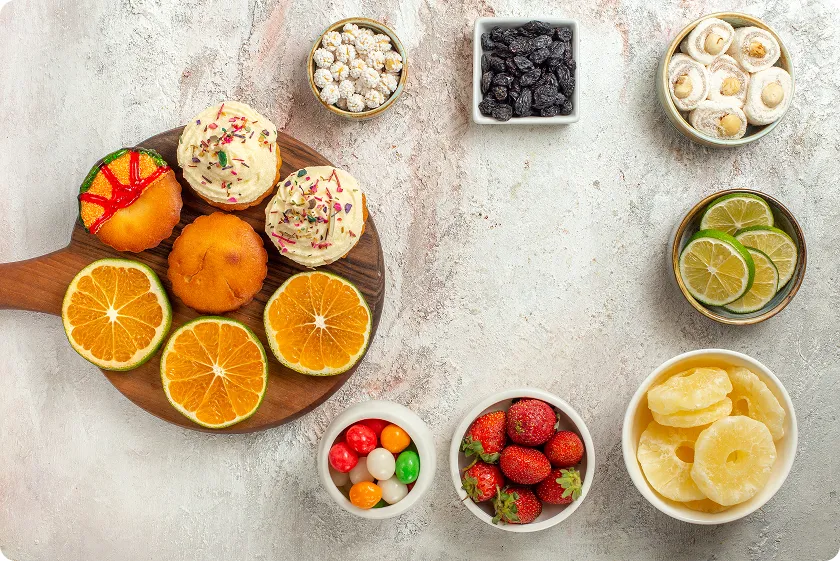
Do you often feel tired, bloated, achy, or "heavy" after eating? Many people do, and one simple place to start is your snack plate. Anti-inflammatory snacks can help you add more color, fiber, antioxidants, and natural plant compounds to your day without complicating your routine. In this guide, you'll learn about fruits for inflammation, practical snack ideas, and easy ways to build better meals around foods that are anti-inflammatory.
Inflammation is not always bad. Your body uses it to heal cuts, fight infections, and recover from stress. The problem starts when inflammation stays elevated for too long due to poor diet, stress, poor sleep, inactivity, or excessive consumption of ultra-processed foods. The good news is that small daily food choices can support a better balance. Harvard Health notes that eating patterns rich in fruits, vegetables, nuts, whole grains, fish, and olive oil are associated with lower levels of some inflammatory markers, while sugary drinks, refined carbs, fried foods, and processed meats are linked with higher ones.
Why Anti-Inflammatory Snacks Matter
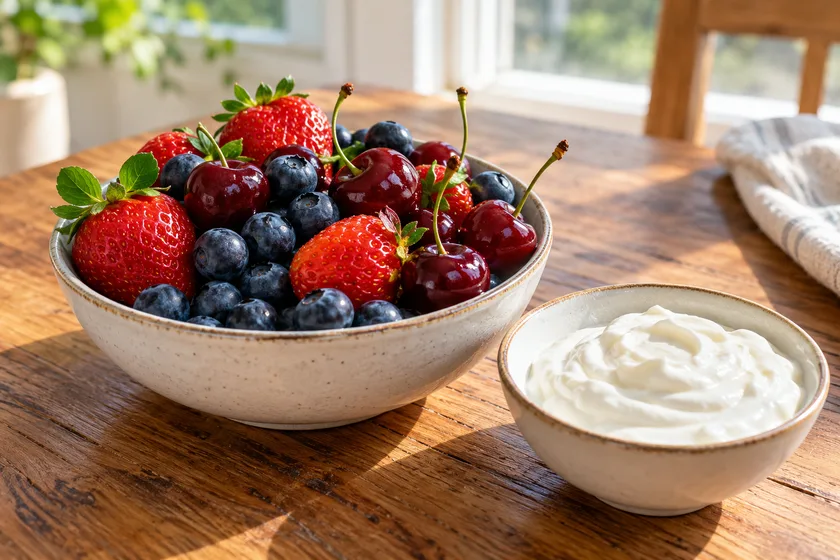
Anti-inflammatory snacks matter because most people do not struggle with a single "bad meal." They struggle with repeated small choices, such as sugary snacks, fried foods, refined carbs, and low-nutrition drinks. Adding more fruits to your diet can provide your body with vitamins, fiber, water, and polyphenols that support a healthier inflammatory response. This also connects with questions like how to decrease C-reactive protein, because CRP is one marker doctors may use to check inflammation levels.
Eating more fruit does not replace medical care, but it can support an overall healthy lifestyle. Experts often recommend eating more fruits, vegetables, whole grains, nuts, legumes, and fish while reducing processed meats, refined carbs, and excess sugar. That makes fruit one of the easiest starting points for anyone who wants better anti-inflammatory meal ideas without overthinking every bite.
1. Blueberries
Blueberries are among the best anti-inflammatory snacks because they are rich in anthocyanins, the pigments that give them their deep blue color. These compounds act like antioxidants and may help protect cells from oxidative stress, although most of the evidence comes from lab and short-term studies rather than long-term trials. Blueberries are also easy to add to yogurt, oatmeal, smoothies, or a simple snack bowl.
Quick tip: Mix blueberries with plain Greek yogurt and walnuts for protein, fiber, and healthy fats.
2. Strawberries
Strawberries are sweet, juicy, and packed with vitamin C. They are also high in polyphenols, which makes them useful in low-inflammation recipes. If you want a snack that feels like dessert but still supports your health goals, strawberries are a smart choice.
Quick tip: Slice strawberries over plain oats. Oatmeal is not a cure for inflammation, but plain, high-fiber oats fit well in an anti-inflammatory eating pattern when they are not loaded with sugar.
3. Cherries
Cherries are often linked with exercise recovery, joint comfort, and antioxidant support. Small studies suggest tart cherry juice or extract may modestly ease exercise-related muscle soreness, but the results are mixed. Evidence that cherries lower uric acid or prevent gout attacks is limited, so they are not a substitute for prescribed gout treatment. Tart cherries are especially popular because they contain anthocyanins and other plant compounds. Enjoy them fresh or frozen, or add them to a smoothie.
Quick tip: Choose unsweetened cherries rather than syrup-packed varieties.
4. Oranges
Oranges are a simple fruit for inflammation because they provide vitamin C, water, and fiber. They also make a better snack than fruit juice because whole oranges digest more slowly. Citrus fruits provide vitamin C, which your immune system needs, and they can help replace sugary snacks. Grapefruit, a different citrus fruit, can interact with some medicines, including certain statins such as simvastatin and atorvastatin. Not every medicine is affected, so check your medicine label or ask your pharmacist.
Quick tip: Eat the whole orange instead of drinking orange juice for more fiber and better fullness.
5. Apples
Apples are affordable, easy to carry, and rich in fiber. Their skin contains polyphenols, so it is best to eat apples unpeeled after thoroughly washing them. Apples also pair well with protein and healthy fats, making them one of the easiest anti-inflammatory snacks for school, work, or travel.
Quick tip: Try apple slices with peanut butter or almond butter.
6. Pomegranate
Pomegranate is rich in colorful plant compounds called polyphenols. It has a bright, sweet-tart taste and works well in salads, yogurt bowls, and breakfast plates. Pomegranate seeds can make a simple snack feel special while still supporting anti-inflammatory recipes.
Quick tip: Sprinkle pomegranate seeds over plain yogurt with cinnamon.
7. Grapes
Grapes contain polyphenols, including resveratrol, especially in red and purple varieties. They are hydrating, sweet, and easy to freeze for a refreshing snack. Grapes are also useful when you want something quick but do not want candy or cookies.
Quick tip: Freeze grapes and eat them slowly like mini popsicles.
8. Avocado
Avocado is technically a fruit, and it is rich in healthy monounsaturated fats. These fats help make snacks more filling and can support heart-friendly eating patterns. Avocado also pairs well with a low-inflammatory breakfast of eggs, whole-grain toast, or vegetables.
Quick tip: Mash avocado on whole-grain toast with black pepper and lemon.
9. Kiwi
Kiwi is small but nutrient-dense. It provides vitamin C, fiber, and antioxidants, making it a strong choice for fruit-based snacks. Kiwi also adds a bright flavor to yogurt, smoothie bowls, and breakfast plates.
Quick tip: Pair kiwi with cottage cheese or yogurt for a balanced snack.
10. Pineapple
Pineapple contains vitamin C and bromelain, an enzyme that many people associate with digestion and recovery. It is sweet, refreshing, and useful in smoothies or fruit bowls. Because pineapple is naturally sweet, keep portions moderate and pair it with protein when possible.
Quick tip: Add pineapple to Greek yogurt instead of using sweetened flavored yogurt.
| Fruit | Key Benefit | Easy Snack Idea |
|---|---|---|
| Blueberries | Anthocyanins and antioxidants | Yogurt + blueberries |
| Strawberries | Vitamin C and polyphenols | Strawberries + oats |
| Cherries | Recovery-friendly compounds | Frozen tart cherries |
| Oranges | Vitamin C and fiber | Whole orange slices |
| Apples | Fiber and polyphenols | Apple + nut butter |
| Pomegranate | Powerful plant compounds | Seeds over yogurt |
| Grapes | Polyphenols and hydration | Frozen grapes |
| Avocado | Healthy fats and fullness | Avocado toast |
| Kiwi | Vitamin C and fiber | Kiwi + yogurt |
| Pineapple | Vitamin C and bromelain | Pineapple + Greek yogurt |
Table 1: 10 Fruits for Inflammation and Easy Snack Ideas
How to Build Better Anti-Inflammatory Snacks
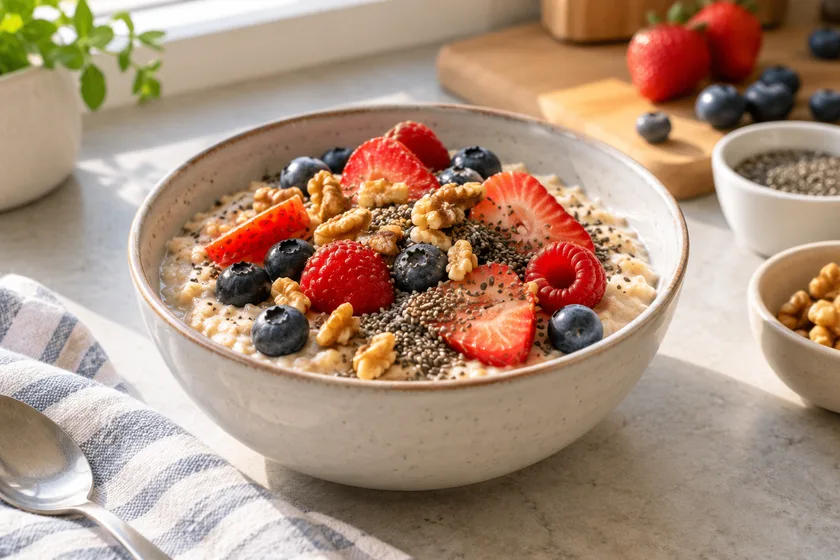
The best anti-inflammatory snacks are not just fruit alone. A balanced snack usually includes fiber, protein, and healthy fat. That is why anti-inflammatory foods often work best together, such as fruit with nuts, yogurt, oats, or seeds. This also helps answer a common question about whether tuna is anti-inflammatory. Fish that provide omega-3 fats can support an anti-inflammatory pattern, but tuna is part of a bigger diet, not a magic food.
A smart snack should keep you full, reduce cravings, and fit into your normal day. You do not need expensive powders or complicated recipes. Start with whole foods and simple combinations. Over time, these small choices can become a realistic anti-inflammatory grocery list.
Pair Fruit With Protein
Fruit gives you fiber and antioxidants, but protein helps you stay full longer. Good options include plain yogurt, cottage cheese, boiled eggs, nuts, seeds, or tuna on whole-grain crackers. Canned light tuna, including skipjack, is in the FDA "Best Choices" group, while albacore (white) tuna has about three times as much mercury and is a "Good Choice" to eat less often, especially during pregnancy and for young children. This keeps your snack more balanced and reduces the chance of a quick energy crash.
Examples: apple with peanut butter, berries with Greek yogurt, or orange slices with almonds.
Add Healthy Fats
Healthy fats can make anti-inflammatory snacks more satisfying. Avocado, walnuts, chia seeds, flaxseeds, almonds, and olive oil-based dips are useful choices. These foods also fit well with anti-inflammatory meal ideas for lunch and breakfast. Walnuts, chia seeds, and flaxseeds also provide ALA, a plant form of omega-3 fat.
Examples: avocado toast, strawberries with chia pudding, or grapes with walnuts.
Reduce Foods That May Increase Inflammation
It is not only about what you add. It is also about what you reduce. Common foods to avoid for inflammation include sugary drinks, processed meats, deep-fried snacks, refined white bread, and many packaged desserts. You do not need to be perfect, but reducing these foods can make your healthy snacks work better.
Examples: Replace cookies with berries and yogurt, or replace chips with apple slices and nut butter.
Low-Inflammatory Breakfast and Meal Ideas
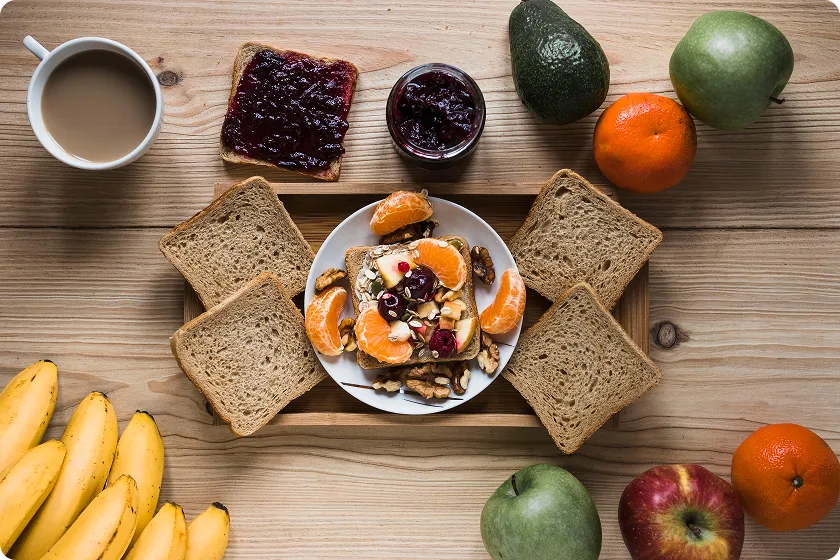
A low-inflammatory breakfast can set the tone for the day. It should include fiber, protein, and healthy fats, rather than just refined carbs and sugar. If you are asking whether oatmeal is an anti-inflammatory food, plain, high-fiber oatmeal paired with fruits, nuts, or seeds is a good fit for an anti-inflammatory pattern, even though no single food is proven to control chronic inflammation on its own. You can also add vegetables such as broccoli or bell peppers to breakfast meals.
This section also answers common food questions, like whether broccoli is anti-inflammatory and whether bell peppers are inflammatory. Broccoli and bell peppers are vegetables, not fruits, but both can fit well in a balanced anti-inflammatory eating pattern. The key is choosing colorful, minimally processed foods most of the time.
Breakfast Bowls
Breakfast bowls are easy because you can mix fruit, whole grains, protein, and healthy fats in one dish. Start with plain oatmeal or plain yogurt. Add berries, kiwi, cherries, or pomegranate, then finish with nuts or seeds.
Example: oatmeal + blueberries + chia seeds + cinnamon.
Savory Breakfast Plates
Not every anti-inflammatory breakfast has to be sweet. You can build a savory plate with eggs, avocado, vegetables, and whole-grain toast. Bell peppers are not inflammatory for most people. They are colorful vegetables rich in vitamin C and useful plant compounds.
Example: eggs + avocado + sautéed bell peppers + whole-grain toast.
Simple Grocery Planning
A good anti-inflammatory grocery list should be practical. Choose two or three fruits, one protein, one whole grain, and one healthy fat each week. This makes it easier to create low-inflammation recipes without buying too much food. For more ideas, see our list of top anti-inflammatory foods and our guide to the best diet for arthritis.
| Formula | Example | Best Time |
|---|---|---|
| Fruit + protein | Kiwi + Greek yogurt | Breakfast or evening |
| Fruit + healthy fat | Apple + almond butter | School or work |
| Fruit + whole grain | Strawberries + oats | Morning |
| Fruit + nuts/seeds | Grapes + walnuts | Afternoon |
| Savory option | Avocado + whole-grain toast | Breakfast or lunch |
Table 2: Simple Anti-Inflammatory Snack Formula
Building a Week of Anti-Inflammatory Snacks
Planning ahead makes healthy snacks easier to stick with. Pick three or four fruits you enjoy and buy them in forms that last, such as fresh apples and oranges, frozen berries and cherries, and a small tub of pomegranate seeds. Keep plain yogurt, a bag of unsalted nuts, and a jar of nut butter on hand so you can build a balanced snack in less than two minutes.
Watch portions with dried fruit and fruit juice, because they deliver a lot of sugar in a small serving. A handful of nuts is about 1 ounce, which is enough to add healthy fat without adding too many calories. If you are watching your sugar intake, our guide to daily sugar intake explains the recommended limits.
When to See a Doctor
Anti-inflammatory snacks support overall health, but they do not treat medical conditions. See a doctor if you have joint swelling, morning stiffness that lasts more than an hour, ongoing fatigue, unexplained weight loss, or a fever that keeps coming back, since these can point to arthritis, an autoimmune condition, or an infection. If a blood test shows high C-reactive protein (CRP), ask your doctor what is driving it before relying on diet changes alone.
Talk to a doctor or registered dietitian before making big diet changes if you have diabetes, kidney disease, or a food allergy, or if you take blood thinners or other regular medicines. Call 911 (or your local emergency number) right away if you have trouble breathing, swelling of the lips, tongue, or throat, or hives spreading over your body after eating a nut, fruit, or seafood snack. These are signs of anaphylaxis, a severe allergic reaction that needs emergency care.
Conclusion
Anti-inflammatory snacks do not have to be expensive, boring, or difficult. Start with simple fruits for inflammation, such as blueberries, strawberries, cherries, oranges, apples, pomegranates, grapes, avocados, kiwis, and pineapples. Then pair them with anti-inflammatory foods, such as oats, yogurt, nuts, seeds, vegetables, whole grains, and fish.
Keep it simple. Choose whole foods most of the time, pair fruit with protein or healthy fat, and limit sugary and fried snacks. Small, steady swaps add up over weeks and months, and they work best alongside good sleep, regular activity, and medical care when you need it.
Sources
- Foods That Fight Inflammation (Harvard Health Publishing)
- Anti-Inflammatory Diet (Cleveland Clinic)
- The Ultimate Arthritis Diet (Arthritis Foundation)
- Advice About Eating Fish (US Food and Drug Administration)
- C-Reactive Protein Test (Mayo Clinic)
FAQ
1. Is broccoli anti-inflammatory?
Yes, broccoli is considered a helpful anti-inflammatory vegetable. It contains fiber, vitamin C, and plant compounds. Add it to eggs, soups, rice bowls, or salads.
2. Are bell peppers inflammatory?
No, bell peppers are not inflammatory for most people. They are rich in vitamin C and antioxidants. They fit well with anti-inflammatory meal ideas, especially with eggs, beans, or whole grains.
3. Is oatmeal an anti-inflammatory food?
Plain oatmeal fits well in an anti-inflammatory diet because it provides soluble fiber and whole grains. No single food is proven to control inflammation by itself, so avoid sugary instant packets and add berries, chia seeds, cinnamon, or nuts for a balanced breakfast.
4. How can I decrease C-reactive protein naturally?
To support lower CRP, focus on fruits, vegetables, whole grains, nuts, legumes, fish, sleep, movement, and weight management if needed. Always discuss high CRP results with a healthcare professional.
5. Is tuna anti-inflammatory?
Tuna provides protein and some omega-3 fats, so it can be part of an anti-inflammatory diet. Choose canned light tuna more often than albacore because it is lower in mercury, and balance it with fruits, vegetables, and whole grains.
6. What is a quick anti-inflammatory snack for work?
Try an apple with a small handful of almonds, plain Greek yogurt with frozen berries, or carrot sticks with hummus. Each one combines fiber with protein or healthy fat, which helps keep you full until your next meal.
About the author

Health Researcher and Writer
Haider Nadeem is a health researcher and the writer behind Healthy Eats Guide. He writes about health problems he faces or sees people around him face, and turns careful research into practical guides. Articles are researched and drafted with AI assistance, then fact-checked and edited by Haider using cited sources such as USDA, NIH, and peer-reviewed research.
Related blogs
Top 10 Anti-Inflammatory Foods to Eat in 2025
Discover the top 10 anti-inflammatory foods to eat in 2025 to fight chronic inflammation, boost immunity, and support overall health naturally.
7 min read
Best Diet for Arthritis: 7 Essential Foods for Joint Health
The best diet for arthritis: 7 joint-friendly foods, what to limit, how weight and inflammation affect joints, a sample meal plan and when to see a doctor.
9 min read

Arthritis in Fingers: 7 Signs, Causes and Relief Options
Arthritis in fingers: learn the 7 common signs, how osteoarthritis differs from inflammatory types, and which treatments the 2026 ACR guideline recommends for hand OA.
10 min read
Newsletter
Get practical nutrition guides in your inbox
Clear food-by-food advice and diet tips for everyday eating — no spam, unsubscribe anytime.