
Best Diet for Arthritis: 7 Essential Foods for Joint Health
The best diet for arthritis: 7 joint-friendly foods, what to limit, how weight and inflammation affect joints, a sample meal plan and when to see a doctor.

Introduction

Arthritis is one of the most common causes of pain and disability in the United States, affecting tens of millions of adults. The term covers more than 100 conditions, but the two best-known types are osteoarthritis, in which cartilage slowly wears down, and rheumatoid arthritis, an autoimmune condition where the body's defenses turn on the tissue lining the joints. Both can cause pain, stiffness and swelling that make everyday tasks harder.
No single food can cure arthritis, and diet does not replace medical treatment. But what you eat can influence inflammation, body weight and overall health, all of which affect how your joints feel. This guide explains why diet matters, seven foods worth adding to your plate, foods to limit, helpful habits and a sample meal plan. It is based on guidance from the National Institutes of Health and US dietary guidelines.
Why Diet Matters for Arthritis and Joint Health

Eating patterns can affect arthritis in several ways: by influencing inflammation in the body, by helping or hindering weight management, and by providing nutrients that support bones, muscles and the heart. Rheumatoid arthritis also raises the odds of developing heart disease, which gives heart-friendly eating an added benefit.
How inflammation affects your joints
Normally, inflammation is how the body reacts to an injury or an infection, and it settles once the threat has passed. In rheumatoid arthritis and other inflammatory types, the immune system keeps this response switched on, leading to swollen, painful joints and possible long-term damage. Osteoarthritis was once thought of as simple wear and tear, but low-grade inflammation also plays a role. Some foods contain compounds, such as omega-3 fats and plant antioxidants, that may help temper inflammation, while diets high in refined sugar, processed meat and fried foods are associated with higher inflammatory markers.
Why food choices matter
Carrying extra pounds puts more strain on the joints that bear your weight, especially the knees and hips. A 2005 study of older adults with knee osteoarthritis and excess weight estimated that each pound lost took about four pounds of load off the knee with each step, although the exact effect varies from person to person. Fat tissue also releases inflammatory substances. Eating in a way that helps you reach and keep a healthy weight can therefore ease pain and slow how quickly osteoarthritis advances. Calcium and vitamin D help keep bones strong, which matters even more for anyone on steroid medicines.
Diet impact comparison
The table below compares the general effect of anti-inflammatory and processed foods.
| Food Type | Effect on Arthritis | Examples |
|---|---|---|
| Anti-inflammatory foods | May help reduce pain and inflammation | Fatty fish, olive oil, berries |
| Processed foods | May contribute to increased inflammation in some people | Chips, sugary soda, fried foods |
7 Essential Foods for Joint Health
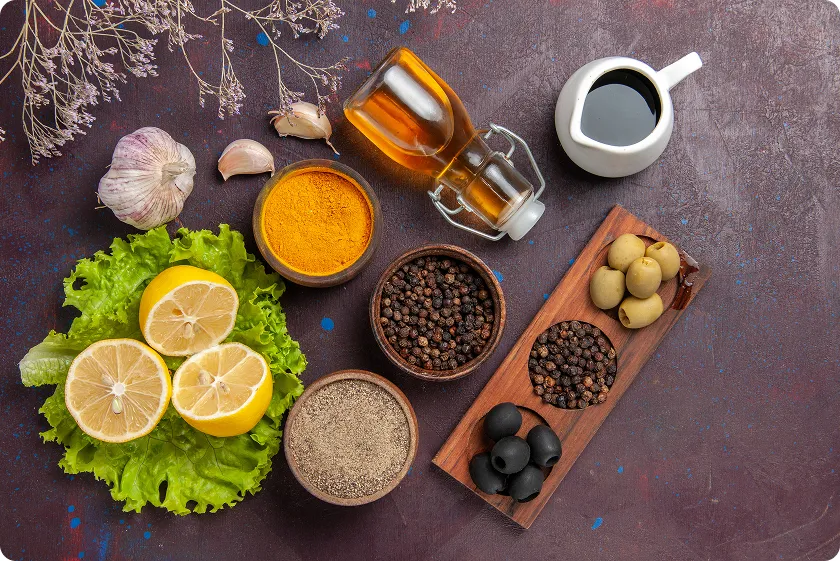
These foods fit well within a Mediterranean-style eating pattern, which research links to better heart health and possibly reduced arthritis symptoms.
1. Fatty Fish (Salmon, Sardines, Mackerel)
Oily fish supply EPA and DHA, two omega-3 fats known to calm inflammation. Studies of fish oil in rheumatoid arthritis suggest it may modestly reduce joint tenderness and morning stiffness. US dietary guidelines suggest about 8 ounces of seafood per week as a general target for many adults, and people who are pregnant or breastfeeding should pick lower-mercury fish. Fish oil supplements are an add-on, not a replacement for prescribed arthritis treatment. Grilled, baked or canned fish are easy options. If you are thinking about fish oil capsules, check with your doctor first, particularly if you are on a blood thinner.
2. Oats (Anti-inflammatory Whole Grain)
Oats, brown rice, quinoa and other whole grains deliver fiber, and higher fiber intake is associated with lower C-reactive protein, a blood test that reflects inflammation. Oats also help you feel full, supporting weight management. Choose plain rolled or steel-cut oats and add your own fruit instead of buying sugary instant packets.
3. Extra Virgin Olive Oil
Extra virgin olive oil sits at the heart of Mediterranean cooking. It contains healthy monounsaturated fats and a compound called oleocanthal, which has shown anti-inflammatory activity in lab studies. Use it in place of butter for cooking and in salad dressings, keeping portions moderate because all oils are high in calories.
4. Berries (Blueberries, Strawberries)
Berries are packed with anthocyanins and vitamin C, antioxidants that may help reduce inflammation. Vitamin C also supports collagen, a key part of cartilage. Stir fresh or frozen berries into oatmeal, yogurt or smoothies; either kind does the job.
5. Leafy Green Vegetables
Spinach, kale, broccoli and other greens supply vitamin K, vitamin C, calcium and antioxidants. Some research has linked higher vegetable intake with less inflammation. At most meals, try to make vegetables cover about half your plate.
6. Nuts (Walnuts & Almonds)
Nuts provide fiber, magnesium, vitamin E and healthy fats. Walnuts contain alpha-linolenic acid, a plant omega-3. A small handful a day is a satisfying snack. For more ideas, see our list of anti-inflammatory snacks.
7. Turmeric
The yellow spice turmeric gets its color from curcumin, which has anti-inflammatory activity. The National Center for Complementary and Integrative Health notes that some studies suggest turmeric supplements may help relieve osteoarthritis symptoms, but the evidence is limited. Curcumin is poorly absorbed on its own, and there have been reports of liver injury with turmeric supplements. Turmeric in the amounts used for cooking is considered safe for most people; check with your doctor before taking supplements.
Inflammatory vs Anti-Inflammatory Foods Table
Use this table as a quick guide when planning meals and shopping.
| Eat More Of | Limit/Avoid | Reason |
|---|---|---|
| Fish, oats, berries | Fried foods | Fried foods may promote inflammation, while fish, oats, and berries contain nutrients that may help support joint health |
| Olive oil, nuts | Sugary drinks | Sugary beverages may contribute to inflammation and can trigger symptom flare-ups in some people |
| Vegetables | Processed snacks | Highly processed snacks may promote inflammation, while vegetables provide fiber, vitamins, and antioxidants that support joint health |
Supportive Habits for Arthritis Relief

Hydration and joint lubrication
Cartilage contains a large amount of water, and staying hydrated supports overall body function, including joint tissues. Water, unsweetened tea and water-rich foods like fruit and vegetables are the best choices. Limit sugary drinks, which add calories without nutrition.
Weight management
Even modest weight loss can make a noticeable difference in knee and hip pain for people with osteoarthritis. Combine balanced eating with joint-friendly activity such as walking, swimming or cycling. Regular physical activity reduces pain and improves function in many types of arthritis. For low-impact options, see our guide to bodyweight exercises.
Mediterranean-style eating pattern
Rather than focusing on single superfoods, aim for an overall pattern: plenty of vegetables, fruit, whole grains, legumes, nuts and olive oil, regular fish, moderate poultry and dairy, and limited red and processed meat and sweets. Our article on the top 10 anti-inflammatory foods to eat in 2025 offers more inspiration.
Sample arthritis-friendly daily meal plan
Here is a simple example of how these foods can come together in a day.
| Meal | Example Foods |
|---|---|
| Breakfast | Oats topped with berries and nuts |
| Lunch | Grilled salmon with a mixed green salad |
| Dinner | Steamed or roasted vegetables with olive oil and lentils |
For snacks, try fresh fruit, a small handful of nuts, or unsweetened yogurt topped with berries. Adjust portions to your energy needs and any medical advice.
When to See a Doctor
See a healthcare provider if you have:
- Joint pain, swelling or stiffness lasting more than a few weeks
- Morning stiffness lasting more than 30 minutes
- Joints that are warm, red or swollen
- Pain that limits daily activities or sleep
- Plans to start supplements or a major diet change while taking arthritis medicines
A registered dietitian can help build a plan that fits your condition, medicines and preferences.
Emergency: Call 911 (or your local emergency number) or seek urgent care for a suddenly hot, very swollen, painful joint with fever, which may be a joint infection, or for chest pain, trouble breathing or signs of a severe allergic reaction.
Conclusion
The best diet for arthritis is not a strict plan but a balanced, Mediterranean-style pattern built on fatty fish, whole grains, olive oil, berries, leafy greens, nuts and spices like turmeric, with fewer processed foods, sugary drinks and fried items. These choices may help reduce inflammation, support a healthy weight and protect heart health. Combined with regular activity and medical care, smart eating can be a valuable part of living well with arthritis.
Sources
- Osteoarthritis (NIAMS)
- Rheumatoid Arthritis (NIAMS)
- Arthritis (MedlinePlus)
- Turmeric (NCCIH)
- Omega-3 Fatty Acids Fact Sheet for Consumers (NIH Office of Dietary Supplements)
- Dietary Guidelines for Americans
FAQ
1. What is the best diet for arthritis?
A Mediterranean-style diet rich in vegetables, fruit, whole grains, fish, nuts and olive oil is often recommended because it may reduce inflammation and support heart health and a healthy weight.
2. Which foods should I limit with arthritis?
Limit fried foods, sugary drinks, highly processed snacks and processed meats, since these are tied to raised inflammation in some people.
3. Does turmeric help arthritis?
Some studies suggest turmeric may ease osteoarthritis symptoms, but evidence is limited. Supplements have been linked to rare liver injury, so ask your doctor before using them.
4. Can losing weight help arthritis pain?
Yes. Losing even a small amount of weight takes pressure off the knees and hips and may lower inflammation, which often eases osteoarthritis pain.
5. Can diet cure arthritis?
No. Diet cannot cure arthritis, but healthy eating can help manage symptoms and overall health alongside medical treatment.
About the author

Health Researcher and Writer
Haider Nadeem is a health researcher and the writer behind Healthy Eats Guide. He writes about health problems he faces or sees people around him face, and turns careful research into practical guides. Articles are researched and drafted with AI assistance, then fact-checked and edited by Haider using cited sources such as USDA, NIH, and peer-reviewed research.
Related blogs
Top 10 Anti-Inflammatory Foods to Eat in 2025
Discover the top 10 anti-inflammatory foods to eat in 2025 to fight chronic inflammation, boost immunity, and support overall health naturally.
7 min read

Anti-Inflammatory Snacks: 10 Proven Fruits for Inflammation
Anti-inflammatory snacks made simple: 10 fruits for inflammation, easy protein and healthy-fat pairings, low-inflammatory breakfast ideas and when to see a doctor.
14 min read

Menopause Joint Pain: 7 Proven Relief Tips
Menopause joint pain explained: why falling estrogen makes joints ache, what it feels like, 7 proven relief tips, treatment options and when to see a doctor.
9 min read
Newsletter
Get practical nutrition guides in your inbox
Clear food-by-food advice and diet tips for everyday eating — no spam, unsubscribe anytime.