
Heart Failure Diet: 10 Foods for Better Heart Health
A heart failure diet built on 10 essential low-sodium foods, plus label-reading tips, potassium and fluid cautions, a sample meal plan and warning signs to report.
Introduction

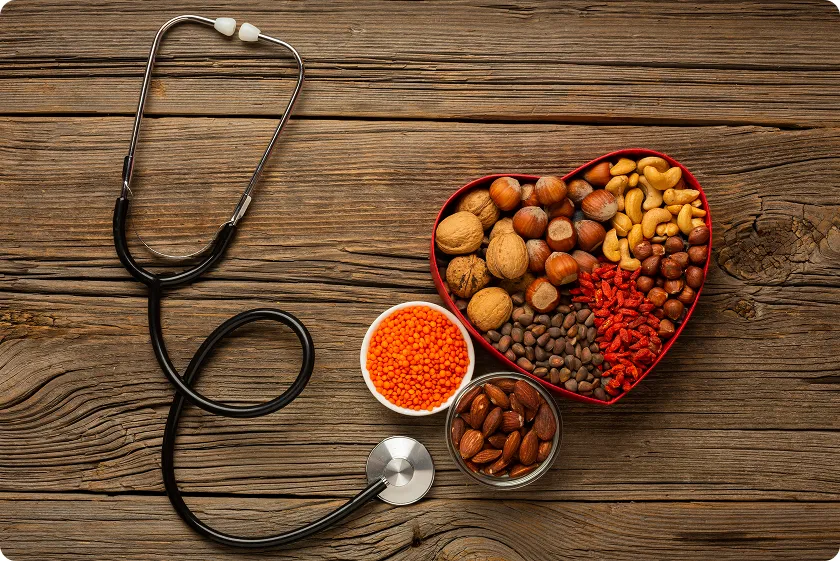
Living with congestive heart failure often raises questions like, what can I eat to help my heart? A well-planned heart failure diet can relieve symptoms and slow progression. In this guide, we cover the ten best foods to include, how diet reduces heart stress, and practical tips for meal planning. You'll learn what a heart-healthy meal plan looks like, which items to stock on your heart-healthy grocery list, and how reducing sodium and adding nutrients can benefit your heart. By the end, you'll have clear, practical advice for choosing foods and planning balanced meals. Diet works alongside, not instead of, the medicines and plan from your heart failure care team, so check any big change with them first.
Emergency: Call 911 (or your local emergency number) if you have chest pain, fainting or severe weakness, a fast or irregular heartbeat with shortness of breath, or sudden severe shortness of breath with pink, foamy mucus (Mayo Clinic).
Why a Heart Failure Diet Matters

Heart failure affects millions of people. In the United States alone, nearly 6.7 million adults live with it (CDC). In heart failure (especially congestive heart failure), the weakened heart struggles to pump blood, leading to fluid buildup, fatigue, and shortness of breath. Diet plays a critical role because what you eat can ease or worsen these symptoms. For example, high-sodium foods cause the body to retain water, forcing the heart to work harder. By contrast, a well-planned diet can reduce fluid retention, lower blood pressure, and supply nutrients that support the heart muscle.
Medical experts emphasize low-sodium, balanced nutrition for heart failure. There is no single sodium number that fits everyone with heart failure, and the 2022 ACC/AHA/HFSA heart failure guideline does not set a universal target. Many care teams suggest staying around 2,000 mg a day or less, while the American Heart Association's general advice for adults is no more than 2,300 mg a day, ideally moving toward 1,500 mg. Your doctor or dietitian will set the right target for you, and the CDC lists reducing sodium as a core part of heart failure care (CDC). A diet rich in fruits, vegetables, whole grains, and lean proteins provides fiber, vitamins, and healthy fats that protect the heart. Heart-healthy eating patterns such as the Mediterranean and DASH diets are linked with better heart health, although research in people who already have heart failure is still limited. Key nutrients, such as potassium, omega-3 fatty acids, magnesium, and antioxidants, help relax blood vessels, reduce inflammation, and keep blood pressure in check. In short, a targeted diet for heart failure reduces strain on your heart and supports overall cardiovascular health.
Understanding Heart Failure and Diet
Heart failure means the heart's pumping ability is impaired. This causes fluid to back up in the body, leading to swelling and shortness of breath. A poor diet can exacerbate these issues. For instance, excessive salt intake causes fluid retention and elevated blood pressure, worsening symptoms. A proper diet lightens the heart's workload. By choosing foods that are naturally low in sodium and rich in nutrients, you can manage blood pressure and fluid levels. Some people with heart failure also need to limit fluids. The American Heart Association advises asking your healthcare professional whether you should limit how much you drink, because the right amount depends on your symptoms and medicines (American Heart Association). Do not cut fluids sharply on your own, as that can cause dehydration and kidney problems.
Nutrients That Support Heart Function
Certain dietary components have big impacts on heart health. Fiber (from whole grains, fruits, and vegetables) can lower LDL cholesterol and improve blood sugar. Magnesium and potassium (found in leafy greens, beans, and avocados) help relax blood vessels and counteract sodium's effects. However, several common heart failure medicines, such as ACE inhibitors, ARBs, ARNIs and spironolactone, can raise blood potassium, while some water pills lower it. Ask your care team whether you need more or less potassium, and avoid potassium-based salt substitutes unless they approve. Omega-3 fatty acids (in fatty fish, flaxseeds, walnuts) reduce inflammation and may improve cardiac function. Antioxidants (in berries, tomatoes, dark chocolate) protect heart cells from damage; for example, flavonoids in berries improve vascular function. Mediterranean-style diets, rich in vegetables, fruits, fish, and olive oil, are a sensible overall pattern, but no diet has been proven to reliably raise ejection fraction (a measure of heart pumping) on its own.
Top 10 Essential Foods for Your Heart Failure Diet

The core of a heart failure diet is whole, unprocessed foods. These ten foods provide nutrients that strengthen the heart while keeping sodium low. Each one fits easily into a heart-healthy meal plan.
1. Leafy Green Vegetables (Spinach, Kale, Swiss Chard)
Leafy greens are nutrient powerhouses. They're rich in vitamin K, potassium, magnesium, and heart-healthy nitrates. Studies show that nitrates in greens can reduce blood pressure and improve blood vessel function. Unlike canned or prepared greens, fresh spinach or kale is naturally low in sodium and adds fiber and color to meals. If you take warfarin, keep your vitamin K intake steady from day to day rather than suddenly eating much more or less, and ask your care team for advice.
Examples: Add raw spinach to salads, sauté kale with garlic, or blend Swiss chard into smoothies.
2. Berries (Blueberries, Strawberries, Raspberries)
Berries are packed with antioxidants (like anthocyanins) that protect heart tissue and fight inflammation. Eating berries daily has been linked to better vascular function and lower heart risk. They're low in sodium and high in fiber and vitamin C.
Examples: Top yogurt or oatmeal with blueberries or strawberries; snack on raspberries or blackberries for a sweet, sodium-free treat.
3. Fatty Fish (Salmon, Mackerel, Sardines)
Fatty fish are rich in omega-3 fatty acids, which lower triglycerides, reduce inflammation, and may help prevent arrhythmias. Aim for at least two servings of fatty fish per week, as recommended by heart experts. Grilled salmon or baked mackerel provides high-quality protein with virtually no added salt. Canned tuna or salmon packed in water can also be convenient; choose no-salt-added or low-sodium versions.
Examples: Enjoy salmon with lemon and herbs; make tuna salad with olive oil instead of mayo.
4. Whole Grains (Oats, Brown Rice, Quinoa)
Whole grains deliver fiber, B vitamins, and minerals that support heart health. Soluble fiber helps lower "bad" LDL cholesterol and stabilizes blood sugar. For instance, oatmeal and barley are linked to cholesterol reduction. Diets high in whole grains are associated with a lower risk of heart disease. Choose brown rice or quinoa instead of white rice, and whole-grain bread instead of white bread.
Examples: Start the day with steel-cut oats; swap white pasta for whole-wheat or legume-based pasta.
5. Nuts and Seeds (Walnuts, Almonds, Flaxseeds)
Nuts and seeds contain healthy unsaturated fats, protein, fiber, magnesium, and vitamin E. A small handful of unsalted nuts (like walnuts or almonds) is shown to improve cholesterol and blood pressure. Ground flax or chia seeds also provide omega-3s. Because they're calorie-dense, keep portions moderate (about 1 ounce of nuts or 1–2 tablespoons of seeds).
Examples: Sprinkle almonds on cereal, add ground flaxseed to smoothies, or eat a few walnut halves as a snack (unsalted).
6. Beans and Legumes (Lentils, Chickpeas, Black Beans)
Beans and legumes are excellent plant proteins that are low-fat and high in fiber. They help control blood sugar and cholesterol while keeping sodium minimal. Research shows beans can significantly reduce LDL cholesterol and cut heart disease risk. They're also budget-friendly and versatile.
Examples: Add beans to soups and stews, use lentils in chili or salads, or make hummus from chickpeas (control salt).
7. Lean Poultry (Skinless Chicken or Turkey)
Lean poultry provides high-quality protein with less saturated fat than red meat. Opt for skinless chicken or turkey, which supply nutrients without clogging arteries. Choose very lean cuts, remove the skin, and avoid processed or pre-brined poultry, deli turkey and rotisserie chicken, which can be very high in sodium.
Examples: Grill or bake chicken breasts (seasoned with herbs, not salt) and use turkey in place of beef in recipes.
8. Low-Fat Dairy (Skim Milk, Yogurt)
Low-fat dairy products give you calcium and protein with minimal saturated fat. Skim or 1% milk and unsweetened yogurt (especially Greek yogurt) are good choices. They typically have much less sodium than cheeses. When choosing cheese, pick lower-sodium options (like Swiss, fresh mozzarella, or reduced-fat varieties) and use sparingly.
Examples: Use low-fat milk on cereal, have yogurt with fruit for breakfast, and add a sprinkle of reduced-fat cheese to dishes.
9. Healthy Oils (Olive Oil, Avocado Oil)
Healthy fats are essential in moderation. Extra-virgin olive oil is rich in monounsaturated fats and antioxidants that support heart health. Studies suggest swapping butter or trans-fat spreads for olive oil can improve cholesterol levels. Use it in salad dressings or for cooking at low to medium heat. Avocado oil is another good option.
Examples: Drizzle olive oil on salads, roast vegetables in olive oil, or mash avocado as a spread instead of butter.
10. Tomatoes and Other Colorful Vegetables
Vibrant vegetables like tomatoes, bell peppers, carrots, and beets add antioxidants, vitamins, and minerals. Tomatoes, in particular, provide lycopene, a powerful antioxidant linked to lower heart attack and stroke risk. Roasting or stewing tomatoes with a little olive oil makes lycopene more absorbable. Colorful veggies also boost fiber and flavor without extra salt.
Examples: Add tomato slices to sandwiches, snack on baby carrots, include peppers in salads or omelets.
Each of these foods can be part of your heart-healthy food list. They provide vitamins, minerals, and heart-beneficial compounds without excess sodium or unhealthy fats. For comparison, the table below highlights heart-healthy choices vs. common high-sodium foods to limit.
| Food Category | Choose (Heart-Healthy) | Limit/Avoid (High Sodium / Unhealthy) |
|---|---|---|
| Vegetables | Fresh or frozen (no-salt-added) greens, broccoli, carrots, peppers | Canned veggies (with added salt), vegetable juices |
| Fruits | Fresh/frozen fruit (berries, citrus, apples) | Fruit juices (with added sugar), dried fruit in syrup |
| Whole Grains | Oats, brown rice, quinoa, whole-grain bread/pasta | White bread, refined grains, instant flavored oats (often high salt) |
| Proteins | Fresh fish, skinless poultry, beans, tofu | Processed meats (bacon, sausage, deli meats), fatty cuts of red meat |
| Dairy | Skim/1% milk, unsweetened low-fat yogurt, low-sodium cheeses | Whole milk, full-fat yogurt, regular cheeses (higher fat/sodium) |
| Snacks/Fats | Unsalted nuts/seeds, hummus, olive or canola oil | Salted chips/crackers, butter, margarine (trans fats) |
| Condiments/Spices | Herbs, spices, salt-free blends | Regular sauces, dressings, salted seasonings |
Table: Comparison of heart-healthy foods to include vs. high-sodium foods to limit in a heart failure diet.
Foods and Drinks to Limit
- High-sodium processed foods: canned soups, frozen dinners, deli and cured meats, pizza, instant noodles, salted snacks, pickles and many restaurant meals.
- Alcohol: If your doctor says alcohol is safe for you, the American Heart Association's general limit is no more than one drink a day for women and one to two for men (American Heart Association). This is general guidance, not a level that is safe for everyone with heart failure. Your doctor may advise you to avoid alcohol completely, for example if your heart failure is linked to alcohol (alcohol-related cardiomyopathy).
- Saturated and trans fats and added sugars: fatty and processed meats, butter, fried foods, pastries and sugary drinks.
- Large amounts of fluid at once, if your care team has given you a fluid limit. Remember that soups, ice, ice cream and gelatin count as fluid.
Supportive Habits and Tools

Adopting a heart failure diet isn't just about individual foods. It's also about planning and habits that make healthy eating sustainable. Here are practical tips to support your dietary changes:
Heart-Healthy Grocery Shopping
Build your grocery list around whole foods. Shop mostly in produce (fruits and vegetables) and fresh meat sections, and avoid processed aisles. A simple rule: "Eat the rainbow" by choosing fruits/vegetables of various colors. Include whole grains (brown rice, whole-wheat bread, oatmeal), lean proteins (chicken, fish, beans), and low-fat dairy. Keep healthy fats on hand (olive oil, avocado, nuts).
Use the table above as a model for stocking your cart. For convenience, buy items like pre-washed greens or frozen veggies (no salt added). Make a list by category before you shop to stay on track. Planning meals will help you avoid impulse buys. Many experts suggest shopping when not hungry and sticking to your list to resist high-sodium temptations.
Reading Food Labels and Reducing Sodium
Become a sodium detective. In the US, FDA labeling rules allow a packaged food to be called "low sodium" only if it has 140 mg of sodium or less per serving, so try to choose items at or below this limit. Labeling rules differ in other countries, so check the sodium per serving wherever you shop. Beware of hidden salt in canned soups, frozen dinners, deli meats, bread, sauces, and even desserts. Always read labels, not just claims like "reduced sodium".
Small swaps add up: replace table salt with herbs, spices, or salt-free blends to flavor meals. (Remember, sea salt has just as much sodium as table salt.) At restaurants, ask for dressings/sauces on the side, choose grilled rather than fried, and avoid salty appetizers like bread or chips. Over time, your taste buds will adapt to less salt.
Planning Heart-Healthy Meals
Consistent meal patterns help maintain energy and nutrient balance. Aim for 3 meals and 1–2 healthy snacks per day, incorporating the foods above. For inspiration, follow a simple template:
- Breakfast: Whole grain (oatmeal or whole-grain toast) + fruit + lean protein (egg white or low-fat yogurt)
- Lunch: Salad or grain bowl with vegetables + beans or grilled fish/chicken + olive oil dressing
- Dinner: Lean protein + generous vegetables + a side of whole grains or legumes
- Snacks: Fruit, raw veggies with hummus, a small handful of unsalted nuts, or low-fat yogurt.
For example, one dietitian's 7-day plan starts Day 1 with steel-cut oats topped with banana and walnuts for breakfast, a grilled salmon salad with mixed greens and olive oil for lunch, and baked chicken with quinoa and green beans for dinner. (Snack: sliced bell peppers with hummus.) This balanced approach of whole grains, fruits, lean proteins, and vegetables is exactly what heart experts recommend. The sample meal plan below shows an example day:
| Meal | Example Foods (approximate portions) |
|---|---|
| Breakfast | ½ cup steel-cut oats, 1 cup almond milk, 1 banana, 1 oz (handful) walnuts |
| Lunch | 4 oz grilled salmon, 2 cups mixed salad greens, ½ cup cherry tomatoes, 1 tbsp olive oil dressing |
| Dinner | 4 oz baked skinless chicken breast, 1 cup cooked quinoa, 1 cup steamed green beans |
| Snack | 1 cup sliced bell peppers, 2 tbsp hummus |
Table: Sample one-day heart-healthy meal plan (with approximate portions). Based on recommendations from heart health dietitians.
Finally, keep track of your progress. Some patients find it useful to write down daily sodium or use a tracking app. Weigh yourself every morning at the same time, after using the toilet and before eating, because sudden weight gain can signal fluid retention. Most importantly, be patient. Lower-salt food can taste bland at first, but most people find their taste adjusts within a few weeks.
When to Contact Your Doctor
Call your healthcare professional promptly if you notice:
- Weight gain of 2 to 3 pounds (about 1 to 1.5 kilograms) in one day, or 5 pounds (about 2.3 kilograms) or more in one week, or whatever lower threshold your personal action plan sets (American Heart Association)
- New or worsening swelling in your legs, ankles or belly
- More shortness of breath than usual, needing more pillows to sleep, or a new cough
- Dizziness, extreme thirst or very little urine, which can signal dehydration or a medicine problem
Call 911 (or your local emergency number) for chest pain, fainting, severe weakness or sudden severe shortness of breath. See our guide to symptoms of heart failure in women for more on warning signs.
Conclusion
A thoughtful heart failure diet can make a real difference in how you feel. By focusing on the foods above – leafy greens, berries, fatty fish, whole grains, legumes, lean poultry, low-fat dairy, nuts, and healthy oils – you provide your heart with the nutrients it needs and avoid unnecessary strain from excess sodium or unhealthy fats. Following a balanced heart-healthy meal plan and keeping a heart-healthy grocery list ensures you're never short on good choices.
Key takeaways: Eat fresh, whole foods; limit sodium to relieve fluid retention; and include heart-boosting nutrients (fiber, omega-3s, antioxidants) daily. Over time, these habits can help manage symptoms and support overall heart health.
Try adding a few of these foods to your meals this week, and keep your care team involved in setting your sodium, fluid and potassium targets. For more ideas, see our anti-inflammatory snacks and whole foods list, and learn what your numbers mean in our guide to understanding blood pressure readings.
Sources
- Lifestyle Changes for Heart Failure (American Heart Association)
- About Heart Failure (CDC)
- Heart Failure: Symptoms and Causes (Mayo Clinic)
- Heart Failure (NHLBI)
FAQ
1. What is the best heart failure diet?
A heart failure diet emphasizes whole, unprocessed foods such as fruits, vegetables, whole grains, lean proteins and healthy fats, and it limits sodium. Your care team will tell you your personal sodium and fluid targets.
2. How does diet help with heart failure?
Cutting sodium helps limit fluid buildup and swelling and can lower blood pressure, which eases the heart's workload. Nutrient-rich foods also support healthy blood vessels and overall health.
3. What should you eat after a heart attack?
Follow a heart-healthy diet rich in vegetables, fruits, whole grains, legumes and fish, and limit saturated fat, added sugar and salt. A cardiac rehabilitation program can give you a personal plan.
4. What is a heart-healthy meal plan?
It is a balanced daily menu of whole grains, lean proteins, fruits and vegetables with little salt or unhealthy fat. An example is oatmeal with fruit, a bean salad for lunch, and salmon with quinoa and vegetables for dinner.
5. What foods improve ejection fraction?
No food has been proven to raise ejection fraction on its own; prescribed medicines and treating the cause matter most. A low-sodium, heart-healthy diet supports that treatment, and you should discuss any supplement with your doctor first.
About the author

Health Researcher and Writer
Haider Nadeem is a health researcher and the writer behind Healthy Eats Guide. He writes about health problems he faces or sees people around him face, and turns careful research into practical guides. Articles are researched and drafted with AI assistance, then fact-checked and edited by Haider using cited sources such as USDA, NIH, and peer-reviewed research.
Related blogs

Symptoms of Heart Failure in Women: 7 Essential Signs
Symptoms of heart failure in women include fatigue, breathlessness, swelling and a lingering cough. Learn the 7 key signs, why HFpEF matters for women, and when to get emergency care.
10 min read
Heart Blockage Treatment: 7 Proven CAD Medications
Heart blockage treatment explained: 7 proven CAD medications, stents and bypass, the stages of coronary artery disease, key tests and heart attack warning signs.
12 min read

Heart Numbers and What They Mean: 7 Signs of a Strong Heart
Heart numbers and what they mean: healthy ranges for heart rate, blood pressure, cholesterol, oxygen, ejection fraction, blood sugar and waist size, plus red flags.
12 min read
Newsletter
Get practical nutrition guides in your inbox
Clear food-by-food advice and diet tips for everyday eating — no spam, unsubscribe anytime.