
Heart Blockage Treatment: 7 Proven CAD Medications
Heart blockage treatment explained: 7 proven CAD medications, stents and bypass, the stages of coronary artery disease, key tests and heart attack warning signs.
Introduction

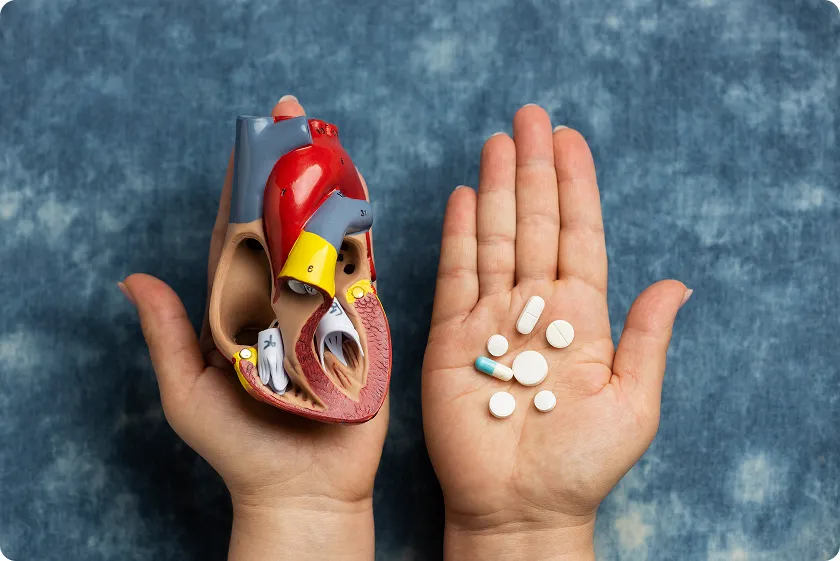
Being told you have a "heart blockage" can be frightening, especially if you are not sure what it means or what happens next. In most cases, the term refers to coronary artery disease (CAD), also called coronary heart disease. This is when a fatty, waxy substance called plaque builds up inside the arteries that supply the heart muscle with blood, narrowing them and reducing blood flow (NHLBI).
The good news is that heart blockage treatment has improved a lot. Modern medicines, procedures and lifestyle changes can ease symptoms, slow or stabilize plaque, and lower the risk of a heart attack. This guide explains the stages of coronary artery disease, the seven main types of CAD medications, when stents or bypass surgery are used, which tests doctors rely on and the warning signs that need emergency care.
Heart Blockage vs Heart Block
These two terms sound alike but are different conditions. A "heart blockage" usually means narrowed coronary arteries (CAD). "Heart block" is a problem with the heart's electrical system that slows or interrupts the heartbeat, and it is often treated with a pacemaker. This article covers CAD.
Why Heart Blockage Treatment Matters

Coronary heart disease is the most common type of heart disease in the United States and a leading cause of death (NHLBI). Plaque can narrow an artery slowly over years, or a plaque can rupture suddenly, triggering a blood clot that blocks the artery and causes a heart attack.
Many people have no symptoms until the disease is advanced. When symptoms appear, they can include:
- Chest pain, pressure, squeezing or tightness (angina), often during exertion or stress
- Pain or discomfort spreading to the arm, shoulder, neck, jaw or back
- Shortness of breath
- Unusual tiredness, especially with activity
- Nausea, light-headedness or a cold sweat
Chest pain or discomfort is the most common symptom in both women and men, but women, older adults and people with diabetes are more likely to also have less typical symptoms such as breathlessness, fatigue, nausea or back or jaw pain rather than classic chest pain (AHA).
Know Your Risk Factors
Your risk of CAD rises with high LDL cholesterol, high blood pressure, diabetes, smoking, obesity, physical inactivity, an unhealthy diet, chronic kidney disease, older age and a family history of early heart disease (NHLBI). Knowing your numbers is a good first step. See our guides to understanding blood pressure readings, high non-HDL cholesterol and heart numbers and what they mean.
Stages of Coronary Artery Disease and Treatment Approach

Doctors do not use one official staging system for CAD, but it helps to think about it in three broad levels. Treatment depends on how much narrowing there is, whether you have symptoms, how well the heart is pumping and your overall risk.
Early Stage: Non-Obstructive CAD
Plaque is present but does not significantly narrow the arteries. There may be no symptoms, and it is often found on a coronary calcium scan or CT scan. Treatment focuses on lifestyle changes and controlling cholesterol, blood pressure and blood sugar, often with a statin. Non-obstructive plaque can still rupture, so it should be taken seriously.
Moderate Stage: Obstructive CAD With Stable Symptoms
Plaque narrows one or more arteries enough to limit blood flow during exertion, causing stable angina. Medicines become essential, both to relieve symptoms and to lower the risk of a heart attack.
Advanced Stage: Severe or Multivessel CAD
Several arteries are severely narrowed, or the main left coronary artery is affected. The risk of heart attack and heart failure is higher. Treatment combines intensive medication with procedures such as stents or bypass surgery when appropriate.
| Stage | Condition | Common Symptoms | Treatment Focus |
|---|---|---|---|
| Early | Non-obstructive CAD | Often none | Lifestyle changes and risk factor control, often a statin |
| Moderate | Obstructive CAD with stable angina | Chest discomfort with exertion, breathlessness | Medicines for symptoms and prevention, lifestyle changes |
| Advanced | Severe or multivessel CAD | Angina with less effort, fatigue, reduced exercise ability | Intensive medicines plus stents or bypass when appropriate |
Table 1: Stages of coronary artery disease and treatment focus
7 Proven CAD Medications for Heart Blockage Treatment

Medicines are the backbone of heart blockage treatment. Some prevent heart attacks and slow disease, while others mainly relieve chest pain. Most people take a combination (Mayo Clinic).
1. Statins
Statins such as atorvastatin and rosuvastatin lower LDL cholesterol and help stabilize plaque, making it less likely to rupture. People with established CAD are usually prescribed a high-intensity statin. Our statin intensity chart explains the different doses.
2. Other Cholesterol-Lowering Medicines
If LDL stays too high on a statin, or a statin is not tolerated, doctors may add ezetimibe, a PCSK9 inhibitor injection (evolocumab or alirocumab), inclisiran or bempedoic acid. These can lower LDL substantially and are used in people at high risk.
3. Antiplatelet Medicines
Low-dose aspirin helps prevent blood clots in people with established CAD. After a heart attack or a stent, doctors often add a second antiplatelet such as clopidogrel, ticagrelor or prasugrel for a set period. Do not start or stop aspirin on your own; daily aspirin is not recommended for everyone, because it raises bleeding risk.
4. Beta-Blockers
Beta-blockers such as metoprolol and bisoprolol slow the heart rate and lower blood pressure, which reduces the heart's oxygen demand and eases angina. They are especially important after a recent heart attack or if the heart's pumping is weakened. Under 2023 AHA/ACC guidance, long-term beta-blockers are not recommended just to improve outcomes in people with no heart attack in the past year, normal pumping (EF over 50%) and no other reason to take them, so your doctor will tailor this.
5. ACE Inhibitors and ARBs
ACE inhibitors (such as lisinopril and ramipril) and angiotensin receptor blockers (such as losartan) relax blood vessels and lower blood pressure. They protect the heart and kidneys, particularly in people with high blood pressure, diabetes, kidney disease or heart failure.
6. Calcium Channel Blockers
Medicines such as amlodipine and diltiazem relax the arteries and can reduce angina. They are often used when beta-blockers are not enough or cannot be taken.
7. Nitrates and Other Angina Medicines
Short-acting nitroglycerin, taken as a tablet under the tongue or a spray, relieves angina within minutes by widening blood vessels. Long-acting nitrates and ranolazine can help prevent angina. Never take nitrates with erectile dysfunction drugs such as sildenafil or tadalafil, because the combination can cause a dangerous drop in blood pressure.
Depending on your health, your doctor may also recommend other medicines with proven heart benefits, such as low-dose colchicine to reduce inflammation, or certain diabetes and weight-loss medicines (SGLT2 inhibitors or GLP-1 receptor agonists).
| Medication Type | Main Function | Role in Heart Blockage Treatment |
|---|---|---|
| Statins | Lower LDL and stabilize plaque | Slow progression and lower heart attack and stroke risk |
| Ezetimibe, PCSK9 inhibitors, inclisiran, bempedoic acid | Further lower LDL | Used when LDL stays high or statins are not tolerated |
| Aspirin and other antiplatelets | Prevent clots | Lower heart attack risk, especially after stents |
| Beta-blockers | Slow heart rate, reduce workload | Control angina, protect after heart attack |
| ACE inhibitors and ARBs | Relax vessels, lower blood pressure | Protect the heart and kidneys |
| Calcium channel blockers | Relax arteries | Reduce angina and blood pressure |
| Nitrates and ranolazine | Widen vessels, ease angina | Rapid or ongoing chest pain relief |
Table 2: CAD medications and their functions
Procedures: Stents and Bypass Surgery
When medicines do not control symptoms, or blockages are severe or in critical locations, doctors may recommend a procedure (NHLBI):
- Percutaneous coronary intervention (PCI): A thin tube is threaded to the narrowed artery, a balloon opens it, and a small mesh tube called a stent is usually placed to keep it open. PCI is also the main emergency treatment for many heart attacks.
- Coronary artery bypass grafting (CABG): A surgeon uses a blood vessel from the chest, leg or arm to create a new route around blocked arteries. It is often preferred for multiple severe blockages, left main disease or people with diabetes and multivessel disease.
A stent or bypass treats a specific blockage but not the underlying disease, so medicines and lifestyle changes are still needed afterward. Not every blockage needs a stent or surgery; the choice depends on your symptoms, the artery anatomy and your overall health. Cardiac rehabilitation, a supervised program of exercise and education, improves recovery and lowers the risk of hospital readmission and death after a heart attack, stent or bypass.
Supportive Habits for Better Heart Health

Lifestyle changes work alongside medicines and can make a real difference (NHLBI):
- Stop smoking: Quitting is one of the most powerful steps you can take.
- Eat a heart-healthy diet: Focus on vegetables, fruit, whole grains, beans, nuts, fish and olive oil, and limit saturated fat, processed meats, salt and added sugar.
- Stay active: Aim for at least 150 minutes of moderate activity a week, such as brisk walking, once your doctor agrees it is safe.
- Manage weight, blood pressure and blood sugar: Small improvements lower risk over time.
- Sleep and stress: Aim for seven to nine hours of sleep and find ways to manage stress.
If heart disease has led to heart failure, our heart failure diet guide offers practical eating tips.
Diagnosis and Tests
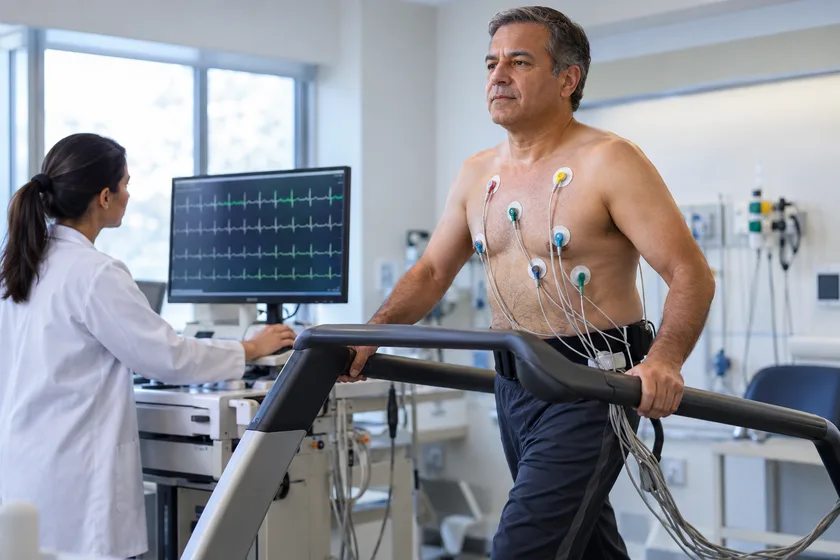
You cannot reliably check for a heart blockage at home. Smartwatches and home blood pressure monitors can help track your numbers, but they cannot rule out CAD. Doctors use a combination of tests (Cleveland Clinic):
| Test | What It Shows | Strengths and Limits |
|---|---|---|
| Electrocardiogram (ECG) | Heart rhythm and signs of past or current heart injury | Quick and simple, but often normal at rest in stable CAD |
| Echocardiogram | Heart structure, pumping and valves | Shows effects of CAD, not the blockages themselves |
| Stress test | How the heart copes with exercise or medicine-induced stress | Good at finding significant reduced blood flow |
| Coronary calcium scan | Calcium in artery walls | Helps estimate risk in people without symptoms |
| Coronary CT angiography | Images of plaque and narrowing | Non-invasive way to see the arteries |
| Cardiac catheterization (angiogram) | Direct images of narrowed arteries | Most detailed; allows stenting during the same procedure |
Table 3: Common tests for heart blockage
When to See a Doctor
Book an appointment with your doctor if you:
- Get chest discomfort, pressure or breathlessness with activity that eases with rest
- Notice you tire much more easily than before
- Have several risk factors, such as high cholesterol, high blood pressure, diabetes, smoking or a family history of early heart disease
- Have known CAD and your angina is happening more often, with less effort or lasting longer
Emergency: Call 911 (or your local emergency number) right away if you have chest pain or pressure lasting more than a few minutes or that goes away and comes back, pain spreading to the arm, back, neck or jaw, shortness of breath, a cold sweat, nausea or light-headedness. Do not drive yourself to hospital. If you have been prescribed nitroglycerin, take it as directed while you wait. Learn the warning signs of stroke as well in our guide to stroke symptoms in women.
Conclusion
Heart blockage treatment is a long-term plan, not a single fix. Most people with coronary artery disease take a combination of medicines chosen for them individually, such as a statin, an antiplatelet and medicines that ease angina and protect the heart. Stents or bypass surgery help when blockages are severe, and lifestyle changes support every stage. Know your risk factors, take medicines as prescribed, attend checkups and act fast on heart attack warning signs.
Sources
- Coronary Heart Disease (NHLBI)
- Coronary Artery Disease: Diagnosis and Treatment (Mayo Clinic)
- Coronary Artery Disease (Cleveland Clinic)
- Warning Signs of a Heart Attack (American Heart Association)
- Coronary Heart Disease (NHS)
FAQ
1. What is the best heart blockage treatment for early CAD?
Early CAD is usually treated with lifestyle changes and risk factor control, often including a statin. The aim is to stop plaque growing and lower the risk of a heart attack.
2. Can CAD medications remove plaque from arteries?
No medicine fully removes plaque. Intensive cholesterol lowering can stabilize plaque and may shrink it slightly, which lowers the chance of a rupture and heart attack.
3. Can you reduce artery plaque naturally?
Stopping smoking, eating a heart-healthy diet, staying active and controlling weight help slow plaque buildup. Most people with CAD still need medicines as well.
4. When is a stent or bypass needed?
Doctors consider a stent or bypass when angina is not controlled by medicines, blockages are severe or in critical arteries, or during a heart attack. You still need medicines afterward.
5. Can non-obstructive CAD become dangerous?
Yes. Even plaque that does not narrow an artery much can rupture and cause a heart attack, so risk factor control and follow-up matter.
About the author

Health Researcher and Writer
Haider Nadeem is a health researcher and the writer behind Healthy Eats Guide. He writes about health problems he faces or sees people around him face, and turns careful research into practical guides. Articles are researched and drafted with AI assistance, then fact-checked and edited by Haider using cited sources such as USDA, NIH, and peer-reviewed research.
Related blogs

Symptoms of Heart Failure in Women: 7 Essential Signs
Symptoms of heart failure in women include fatigue, breathlessness, swelling and a lingering cough. Learn the 7 key signs, why HFpEF matters for women, and when to get emergency care.
10 min read

Heart Failure Diet: 10 Foods for Better Heart Health
A heart failure diet built on 10 essential low-sodium foods, plus label-reading tips, potassium and fluid cautions, a sample meal plan and warning signs to report.
16 min read

Heart Numbers and What They Mean: 7 Signs of a Strong Heart
Heart numbers and what they mean: healthy ranges for heart rate, blood pressure, cholesterol, oxygen, ejection fraction, blood sugar and waist size, plus red flags.
12 min read
Newsletter
Get practical nutrition guides in your inbox
Clear food-by-food advice and diet tips for everyday eating — no spam, unsubscribe anytime.