
Is Cottage Cheese Good for GERD: 6 Essential Facts
Is cottage cheese good for GERD? Learn how fat, sodium, acidity, portions, and pairings may affect reflux, and how to test your own tolerance.
By Healthy Eats Guide Team
Published
11 min read

Introduction
You're trying to eat better, and cottage cheese keeps appearing on high-protein food lists. Then you remember last week's heartburn and pause at the fridge door. So, is cottage cheese good for GERD, or is it a dairy food you should skip?
For many people, it can fit into a reflux-friendly diet, with a few conditions. Cottage cheese is mild and comes in lower-fat versions, so some people with reflux tolerate it well. Still, the fat level on the label, the sodium, how much you scoop, and what you eat with it can all affect how you feel. Your own tolerance matters most.
This guide walks through six practical facts. By the end, you'll know what to look for on the label, how to try a sensible portion, when to eat it, and which pairings to test first.
Fact Set 1: What's Actually in the Tub
Cottage cheese is a fresh, unaged cheese made from curds of pasteurized milk, usually mixed with a little cream and salt. Because it isn't aged, it tastes milder than cheddar or Parmesan. Those qualities matter, but the nutrition label tells you far more. Two nutrients deserve attention first: fat and protein.
Fact 1: Fat Content Is an Important Difference Between Tubs
Is low-fat cottage cheese good for acid reflux? It may be a reasonable option if fatty foods trigger your symptoms. Cottage cheese is sold in nonfat, 1%, 2%, and regular creamed (about 4%) versions. The National Institute of Diabetes and Digestive and Kidney Diseases (NIDDK) lists high-fat foods among foods commonly linked to GERD symptoms. It also notes that triggers differ from person to person.
Here's a comparison per half-cup serving, using USDA FoodData Central reference values converted to about 113 g (4 oz). Real cup weights and brand labels vary, so check the package you actually buy.
| Cottage Cheese Type | Fat per 1/2 Cup | Protein per 1/2 Cup | Sodium per 1/2 Cup | Reflux Notes |
|---|---|---|---|---|
| Nonfat | Under 1 g | Varies by product | Varies by product | Lowest fat, check the label |
| Low-fat (1%) | About 1.2 g | About 14 g | About 459 mg | Low in fat but can be high in sodium |
| Low-fat (2%) | About 2.6 g | About 12.4 g | About 364 mg | A middle option for many people |
| Regular creamed (4%) | About 4.9 g | About 12.6 g | About 356 mg | Try a smaller portion first |
Table: Approximate USDA reference values per half cup (about 113 g). Brand values vary.
Notice that lower fat doesn't always mean lower sodium. In these reference values, the 1% version has the most salt. For a wider look at how other cheeses compare, see our guide, Is Cheese Good for Acid Reflux?
Fact 2: Protein Is a Plus, but It Isn't a Treatment
Cottage cheese contains casein, a milk protein that is digested relatively slowly. Its protein can help you feel full, although how long that lasts varies from person to person. Some people may tolerate a small, low-fat protein snack better than a higher-fat meal.
You'll sometimes read that protein "strengthens" the valve at the bottom of the esophagus. There isn't enough evidence to recommend cottage cheese or extra protein for that purpose. The American College of Gastroenterology (ACG) also notes that the evidence behind many diet rules for GERD is limited. Is cottage cheese good for heartburn relief? It may be a gentle choice for some people, but it won't treat heartburn or stop an episode that's already started.
Fact Set 2: Sodium, Acidity, and Lactose
Fat isn't the only thing that changes from one tub to the next. Cottage cheese can be surprisingly salty. It's also mildly tangy, and it still contains some milk sugar. None of these is an automatic deal-breaker. Each one may help explain why two people can react so differently to the same breakfast.
Fact 3: Watch the Sodium, Especially if You Eat It Daily
Many conventional cottage cheese products contain about 350 to 460 mg of sodium per half-cup serving, depending on the brand. That adds up fast if you eat it every day. The 2025 to 2030 Dietary Guidelines for Americans recommend that people aged 14 and older keep sodium under 2,300 mg a day, with lower limits for younger children.
Salt isn't an established reflux trigger for everyone, so the main reason to watch it is your overall sodium intake. Look for "no salt added" or "reduced sodium" tubs, which can contain much less. These labels mean different things, so compare the numbers rather than the front-of-package claims.
Is cottage cheese OK for GERD if it's the salty kind? Tolerance varies, so notice how you feel and track your sodium separately.
Fact 4: It's Mildly Acidic, but pH Alone Doesn't Predict Symptoms
Is cottage cheese acidic? Yes, mildly. Like other fresh cheeses, it typically has a pH of roughly 4.3 to 4.6, which gives it a faint tang. The NIDDK lists acidic foods among possible triggers, but a food's pH alone can't tell you whether it will cause your reflux. Some people eat cottage cheese with no trouble, while others notice symptoms.
The whole meal matters too. A small bowl of plain cottage cheese with fruit is a very different meal than cottage cheese on a spicy taco or a tomato-heavy pasta.
Cottage cheese also contains lactose, generally less than milk and more than aged hard cheeses. If you're lactose intolerant, it may cause bloating, gas, or belly discomfort. These can feel like reflux, but lactose intolerance and GERD are different conditions. Lactose-free cottage cheese can help with lactose, though it isn't automatically easier on reflux.

Fact Set 3: Portions, Timing, and Pairings
Even a mild food can cause trouble if the bowl is huge or you eat it right before bed. Reflux often depends on how full your stomach is and when you eat. That's good news, because portions and timing are easy to adjust. These last two facts can help you test cottage cheese in a careful, practical way.
Fact 5: Start With a Modest Portion and Mind the Clock
There's no established GERD-specific serving size for cottage cheese. A half-cup serving is a reasonable starting point, and it still gives you plenty of protein. If you tolerate it well, adjust your portion to your appetite and how you feel.
Can you eat cottage cheese at night with GERD? Earlier in the evening is usually a better plan. The ACG suggests avoiding meals in the two to three hours before bedtime, and the NIDDK notes that eating at least three hours before lying down may help nighttime symptoms. This is general meal-timing advice, not a rule just for cottage cheese.
Does cottage cheese cause heartburn? Some people eat a modest portion of a low-fat tub without symptoms. A large, high-fat serving close to bedtime may be less well tolerated by some people with GERD.
Fact 6: Pairings May Affect How You Feel
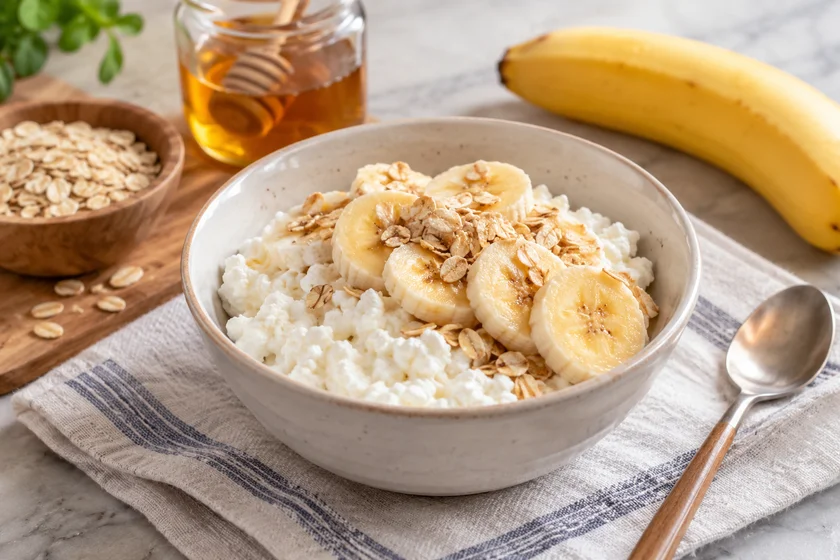
What you mix in may influence how well you tolerate the snack. Some people find plain cottage cheese easier to handle when paired with simple foods such as:
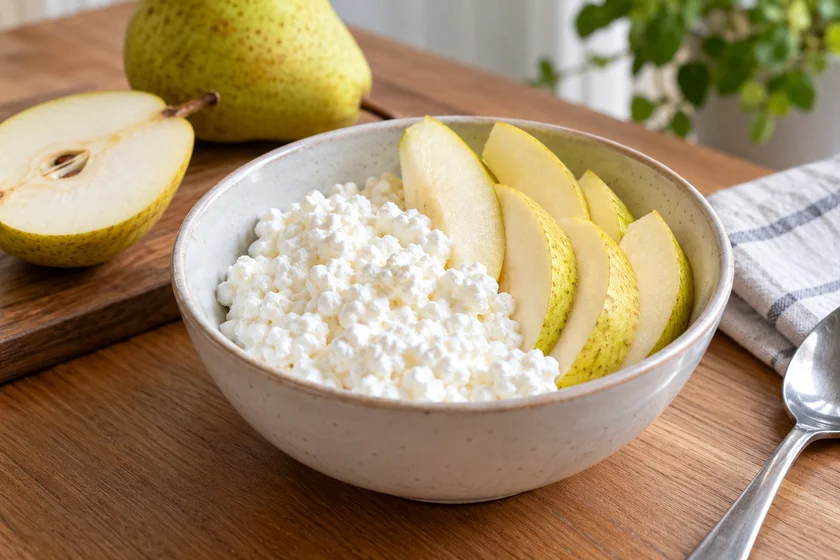
- Ripe banana, pear, or melon
- Oatmeal or plain whole-grain toast
- Cucumber, zucchini, or steamed carrots
- A light drizzle of honey or a sprinkle of cinnamon
Commonly reported GERD triggers include acidic foods such as citrus and tomatoes, chocolate, and spicy foods. Some people also notice symptoms after onion or garlic. A mild tub topped with salsa or hot sauce may not sit as well.
What's the best cottage cheese for acid reflux? There's no single best product. A plain tub of low-fat or nonfat cottage cheese may be a reasonable starting option if high-fat foods bother you. Compare sodium separately, and choose a product you tolerate. During a flare, stick with foods you know you handle well. A food and symptom diary can help you spot patterns to discuss with your doctor.
When to See a Doctor
Diet changes can ease mild reflux, but some symptoms deserve medical attention.
Book a routine visit with your doctor if you have:
- Heartburn occurring two or more times a week
- Ongoing need for nonprescription heartburn medicine
- Symptoms that keep coming back even after diet changes
- A sour taste, hoarse voice, or cough that won't go away, which can have several causes
Seek prompt medical care if you have:
- Difficulty swallowing or a sensation that food is getting stuck
- Pain when swallowing
- Weight loss you can't explain
- Persistent nausea or vomiting
Untreated GERD can lead to complications such as inflammation or narrowing of the esophagus, or a condition called Barrett's esophagus. A doctor can confirm what's going on and talk through treatment, including medicines that reduce stomach acid. Food choices work best as part of that plan, not as a replacement for it.
Emergency: Call 911 (or your local emergency number) right away if you have chest pain or pressure, especially with shortness of breath, sweating, or pain spreading to your arm, jaw, or back. Heart attack symptoms can feel like heartburn, so never assume it's just reflux. Also get emergency care if you vomit blood, pass black or tarry stools, or can't swallow liquids.
Conclusion
So, is cottage cheese good for GERD? It can be part of your diet if you tolerate it, and a plain low-fat or nonfat tub in a modest portion is a sensible place to start. In short, fat content is an important difference, protein is a plus but not a treatment, sodium deserves a separate look, pH alone doesn't predict symptoms, earlier timing may help, and pairings can affect how you feel.
Start small, choose plain, and track your own response.
For a wider look at which cheeses may be gentler, read our guide, Is Cheese Good for Acid Reflux? For everyday habits like meal timing and sleep position, see our GERD relief guide.

Have you found a cottage cheese combo that works for your reflux? Share it in the comments to help other readers.
Sources
- Eating, Diet, and Nutrition for GER and GERD (NIDDK)
- ACG Clinical Guideline for the Diagnosis and Management of Gastroesophageal Reflux Disease (PubMed)
- FoodData Central (USDA)
- Dietary Guidelines for Americans (USDA)
- Lactose Intolerance (NIDDK)
- Gastroesophageal Reflux Disease (MedlinePlus)
FAQ
These quick answers cover the questions people ask most often about cottage cheese and reflux.
1. Is cottage cheese good for GERD?
It can be, if you tolerate it. Many people start with a modest portion of low-fat or nonfat cottage cheese. A large, high-fat serving late at night may cause symptoms for some people.
2. Is low-fat cottage cheese good for acid reflux?
It may be a reasonable option if fatty foods trigger your symptoms, since lower-fat versions contain less total fat. Check sodium too, because some low-fat tubs are saltier.
3. Can you eat cottage cheese at night with GERD?
The ACG suggests avoiding meals two to three hours before bedtime. If you want cottage cheese in the evening, have a modest portion earlier.
4. Is cottage cheese acidic?
Yes, mildly, with a pH of roughly 4.3 to 4.6. But pH alone doesn't predict reflux. Portion, fat content, toppings, and your own triggers matter too.
5. What is the best cottage cheese for acid reflux?
There's no single best tub. A plain low-fat or nonfat product with moderate sodium is a reasonable starting point. Pair it with foods you tolerate, and track how you feel.
About the author
Healthy Eats Guide Team
Editorial Team
The Healthy Eats Guide editorial team researches and writes practical health and wellness content focused on clarity, sourcing, and everyday usefulness.
Related blogs
Is Cheese Good for Acid Reflux: 7 Proven Facts
Is cheese good for acid reflux? Learn which cheeses are gentler on GERD, why high-fat dairy can trigger heartburn, and how portion and timing change the answer.
11 min read
Is Almond Flour Low FODMAP: 7 Proven Facts
Is almond flour low FODMAP? Learn the tested serving size, why GOS limits portions, and how to bake with almond flour without triggering IBS symptoms.
12 min read
Is Bone Broth Healthy: 8 Essential Benefits to Know
Is bone broth healthy? Learn 8 essential bone broth benefits, from fluids to protein, what science supports, and how to choose a low-sodium cup. Read more.
13 min read
Newsletter
Get practical health guides in your inbox
Occasional updates with clear nutrition, habits, and wellness reading — no spam, unsubscribe anytime.