
Diet for Diverticulitis Flare-Up: 7 Gentle Foods and a Plan
What to eat during a diverticulitis flare-up: clear liquids, low-fiber recovery foods, when to add fiber back, 7 gentle foods and warning signs to watch.
Introduction

A diverticulitis flare-up can bring sudden belly pain, usually in the lower left side, along with fever, nausea and changes in bowel habits. Alongside any treatment your doctor prescribes, what you eat during and after a flare can help your digestive system rest and recover. Most people move through three stages: a short period of clear liquids, a gradual return to low-fiber foods and, once healed, a high-fiber diet to help prevent future attacks.
This guide explains each stage, lists seven gentle foods for recovery and covers treatment, prevention and follow-up based on guidance from the National Institute of Diabetes and Digestive and Kidney Diseases (NIDDK) and the American Gastroenterological Association. Always follow the specific plan your healthcare provider gives you.
When to Get Urgent Medical Help
Diverticulitis can lead to serious complications such as an abscess, a tear in the bowel wall or a blockage. Seek urgent care if you have:
- Severe or worsening abdominal pain
- Fever of 100.4°F or higher, or chills
- Persistent vomiting or inability to keep liquids down
- Rectal bleeding
- A swollen, hard or very tender belly
Emergency: Call 911 (or your local emergency number) for severe abdominal pain with a rigid belly, fainting, heavy rectal bleeding or signs of shock.
Diverticulosis vs. Diverticulitis

Diverticulosis means small pouches, called diverticula, have formed in the wall of the colon. It is very common with age and usually causes no symptoms. Diverticulitis happens when one or more of these pouches becomes inflamed or infected. NIDDK notes that only a small share of people with diverticulosis ever develop diverticulitis.
The difference matters for diet. With diverticulosis, a high-fiber diet is recommended to keep stools soft and may lower the risk of diverticulitis. During an active diverticulitis flare, however, doctors often recommend temporarily reducing fiber to give the colon a chance to rest. Uncomplicated diverticulitis can often be managed at home, while complicated cases may need hospital care, intravenous antibiotics, drainage or surgery.
The Three Phases: Flare, Recovery and Prevention
Phase 1: Clear Liquids During a Flare (Short Term)
For moderate symptoms, your doctor may recommend clear liquids for a few days. These include water, clear broth, pulp-free apple juice, plain gelatin, ice pops without fruit pieces and tea or coffee without milk. Sip regularly to stay hydrated. A clear liquid diet is not nutritionally complete, so it should be used only for a short time. Recent guidance suggests that people with mild, uncomplicated diverticulitis may not need strict liquid-only diets, so ask your doctor what fits your situation.
Phase 2: Low-Fiber Foods During Recovery
As pain eases, you can usually add soft, low-fiber foods. Options include eggs, white rice, white bread, refined pasta, canned or cooked fruit without skin or seeds, well-cooked vegetables without skin, tofu, fish, poultry and low-fat dairy if tolerated. Eat small, frequent meals and notice how your body responds.
Phase 3: High Fiber for Prevention
Once symptoms are gone and your doctor agrees, gradually increase fiber. Adults generally need about 22 to 34 grams of fiber per day, depending on age and sex, according to the Dietary Guidelines for Americans. Add whole grains, beans, lentils, fruit, vegetables, nuts and seeds slowly over several weeks, and drink plenty of water to reduce gas and bloating. Our high-fiber breakfast foods and high-fiber dinner guides can help.
Phase comparison table
| Flare (short term) | Recovery | Prevention | |
|---|---|---|---|
| Goal | Comfort while symptoms are worst | Gentle nutrition as symptoms ease | Lower the risk of future flares |
| Fiber | None (clear liquids) | Low | High, increased gradually |
| Example foods | Broth, pulp-free apple juice, gelatin, water | Eggs, white rice, canned peeled fruit, tofu, tuna | Whole grains, beans, lentils, fruit, vegetables, nuts |
| Grains | None | White, refined | Whole grains |
| Fruit | Pulp-free juice only | Canned or cooked, no skin or seeds | Whole fruit, skin on if tolerated |
| How long | A few days; see a doctor if you cannot advance after 3 to 5 days | Until your doctor says to add fiber | Long term |
7 Gentle Foods for Diverticulitis Recovery
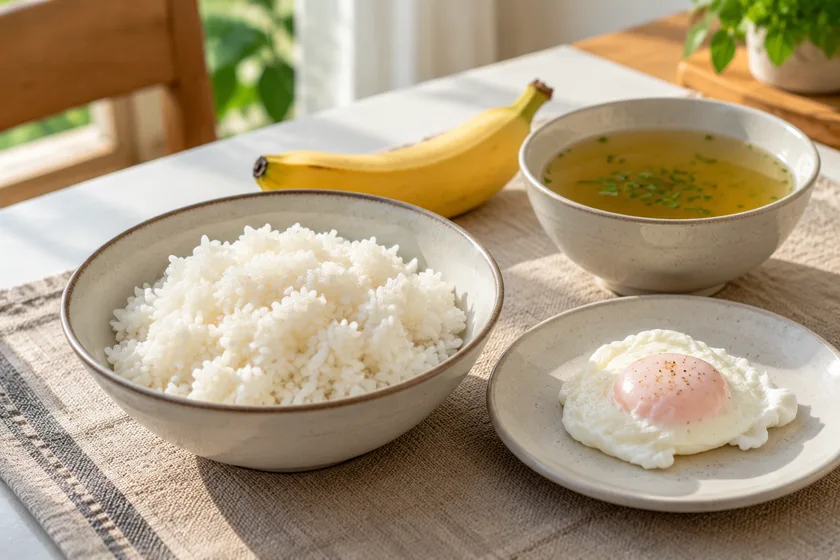
These easy-to-digest foods work well when moving from liquids to solid food.
1. Broth
Clear chicken, beef or vegetable broth provides fluid and sodium, which helps with hydration. It fits the clear liquid stage and is soothing when appetite is low.
2. Applesauce
Smooth applesauce is low in fiber and gentle on the stomach. Choose unsweetened versions.
3. Canned Peaches
Canned peaches, pears or other peeled fruit are soft and low in fiber. Pick fruit packed in juice or water rather than heavy syrup.
4. White Rice
White rice is low in fiber and easy to digest, making it a good base for recovery meals. Pair it with a lean protein.
5. Eggs
Scrambled, poached or boiled eggs provide high-quality protein, which supports healing, without adding fiber.
6. Tofu
Soft tofu is a gentle plant protein that absorbs flavors well. Add it to broth or serve it with white rice.
7. Tuna
Canned tuna packed in water or other mild fish offers protein and healthy fats. Mix it with a little mayonnaise or olive oil for a simple meal.
Sample Transition Day
A recovery day might include scrambled eggs and white toast for breakfast, chicken and rice soup for lunch, applesauce as a snack and baked fish with mashed potatoes without skin and well-cooked carrots for dinner. As you feel better, swap in whole grains and more vegetables a little at a time.
Treatment, Prevention and Follow-Up

Antibiotics Are Not Always Needed
Antibiotics have long been standard for diverticulitis, but the American Gastroenterological Association advises that they can be used selectively in people with mild, uncomplicated diverticulitis who are otherwise healthy. Your doctor will decide based on your symptoms, test results and overall health. If antibiotics are prescribed, take the full course as directed.
Pain Relief: Be Careful With NSAIDs
Regular use of nonsteroidal anti-inflammatory drugs such as ibuprofen and naproxen has been associated with a higher risk of diverticulitis and its complications. Aspirin shows a weaker link, and an association does not prove these drugs cause the condition. Never stop aspirin prescribed for heart protection without talking to the doctor who prescribed it. Acetaminophen is often preferred for pain, but ask your doctor before taking any pain reliever, especially if you take aspirin for heart protection.
Physical Activity
Regular physical activity is linked with a lower risk of diverticulitis. Aim for at least 150 minutes of moderate activity, such as brisk walking, each week once you have recovered.
Nuts, Seeds and Popcorn
People with diverticular disease were once told to avoid nuts, seeds and popcorn. Research has not found that these foods increase the risk of diverticulitis, and they can be part of a healthy, high-fiber diet. If a specific food seems to trigger symptoms, talk to your doctor.
Other Ways to Lower Your Risk
Other steps that may help include maintaining a healthy weight, not smoking, eating less red and processed meat and staying well hydrated. These habits also support heart health, including healthier cholesterol levels; see our guide to high non-HDL cholesterol. Constipation can make symptoms worse; learn more in our guide on how to relieve constipation. If you are considering magnesium supplements for regularity or general health, ask your doctor first and read our overview of magnesium glycinate benefits for women.
Colonoscopy After a Flare
Your doctor may recommend a colonoscopy several weeks after a flare to rule out other conditions such as colon cancer, especially after complicated diverticulitis or if you have not had a recent high-quality colonoscopy.
When to See a Doctor
Contact your healthcare provider if you have:
- New lower abdominal pain, especially on the left side, with fever
- Symptoms that do not improve within two to three days of treatment
- Trouble advancing from liquids to solid food
- Repeated flare-ups
- Changes in bowel habits lasting more than a few weeks
Get urgent help for the warning signs listed at the start of this article. Call 911 (or your local emergency number) for severe pain with a rigid belly, heavy bleeding or fainting.
Conclusion
The best diet for a diverticulitis flare-up changes as you heal: clear liquids for a short time if your doctor advises it, then gentle low-fiber foods like broth, applesauce, white rice, eggs, tofu and tuna, and finally a gradual return to high fiber for long-term prevention. Combined with careful use of pain relievers, regular activity and follow-up care, these steps can help you recover and lower the chance of future flares. This article is for general information and does not replace advice from your healthcare provider.
Sources
- Diverticular Disease (NIDDK)
- Eating, Diet and Nutrition for Diverticular Disease (NIDDK)
- Diverticulosis and Diverticulitis (MedlinePlus)
- Diverticular Disease and Diverticulitis (NHS)
- AGA Clinical Practice Update on Medical Management of Colonic Diverticulitis (PubMed)
- Dietary Guidelines for Americans
FAQ
1. What should I eat during a diverticulitis flare-up?
Your doctor may suggest clear liquids for a few days, followed by low-fiber foods such as eggs, white rice, applesauce and canned fruit.
2. When can I start eating fiber again?
Once symptoms have resolved and your doctor agrees, increase fiber slowly over several weeks while drinking plenty of water.
3. Do I need to avoid nuts and seeds?
Research has not shown that nuts, seeds or popcorn cause diverticulitis, and they can be part of a healthy diet unless a food clearly bothers you.
4. Do I always need antibiotics?
Not always. Doctors may use antibiotics selectively for mild, uncomplicated cases in otherwise healthy people.
5. Can diverticulitis be prevented?
A high-fiber diet, regular exercise, a healthy weight, not smoking and limiting red meat and NSAIDs may lower your risk.
About the author

Health Researcher and Writer
Haider Nadeem is a health researcher and the writer behind Healthy Eats Guide. He writes about health problems he faces or sees people around him face, and turns careful research into practical guides. Articles are researched and drafted with AI assistance, then fact-checked and edited by Haider using cited sources such as USDA, NIH, and peer-reviewed research.
Related blogs
Foods That Cause Gout Flare-Ups: 10 Essential Diet Tips
Learn which foods and drinks can trigger gout flare-ups, what to eat instead, how diet fits with urate-lowering medicine, and when gout pain needs a doctor.
9 min read
Heart Failure Diet: 10 Foods for Better Heart Health
A heart failure diet built on 10 essential low-sodium foods, plus label-reading tips, potassium and fluid cautions, a sample meal plan and warning signs to report.
16 min read
Best Diet for Arthritis: 7 Essential Foods for Joint Health
The best diet for arthritis: 7 joint-friendly foods, what to limit, how weight and inflammation affect joints, a sample meal plan and when to see a doctor.
9 min read
Newsletter
Get practical nutrition guides in your inbox
Clear food-by-food advice and diet tips for everyday eating — no spam, unsubscribe anytime.