
How to Relieve Constipation: 7 Safe Home Remedies
How to relieve constipation with fiber, fluids, activity and a regular toilet routine, plus which laxative types exist and the warning signs that need a doctor.
Introduction

Constipation is common and affects people of all ages. Most cases can be eased with changes to diet, fluids, activity and toilet habits, though it can take anywhere from a few days to a few weeks to notice a difference (NHS).

What Counts as Constipation?
You may be constipated if you have fewer than three bowel movements a week, or if your stools are hard, dry or lumpy, difficult or painful to pass, or leave a feeling that you have not fully emptied your bowels (NIDDK). Bowel habits vary, so what matters most is what is normal for you.
Constipation can be short-term (acute), for example after travel or a change in diet. Mayo Clinic describes chronic constipation as having two or more symptoms for three months or longer (Mayo Clinic).
When to See a Doctor
See a doctor right away if you have constipation along with any of the following (NIDDK):
- Bleeding from your rectum or blood in your stool
- Constant abdominal pain
- Being unable to pass gas
- Vomiting
- Fever
- Lower back pain
- Losing weight without trying
Also see a doctor if your symptoms last longer than three weeks, do not improve with self-care, or are a new change for you, or if you have a family history of colon or rectal cancer (Mayo Clinic; Cleveland Clinic).
Common Causes
Constipation often has more than one cause (NIDDK; NHS):
- Diet and fluids: not eating enough fiber or not drinking enough fluids
- Inactivity: long periods of sitting or lying down
- Routine changes: travel, a new diet or schedule, or often ignoring the urge to go
- Medicines and supplements: including opioid painkillers, iron supplements, some antidepressants, antacids containing aluminum or calcium, and some blood pressure medicines
- Health conditions: such as diabetes, hypothyroidism, pelvic floor problems and irritable bowel syndrome
- Life stages: pregnancy, the period after giving birth, and older age
Some people find that large amounts of milk or cheese constipate them (Cleveland Clinic), but dairy and caffeine do not affect everyone the same way. Keeping a food diary can help you spot your own triggers. If you think a medicine is the cause, talk with your doctor. Do not stop a prescribed medicine on your own.
7 Safe Home Remedies
1. Increase Fiber Gradually
Fiber adds bulk to stool and helps it hold water, which makes it softer and easier to pass (Mayo Clinic). Depending on age and sex, adults should get 22 to 34 grams of fiber a day (NIDDK). Add it a little at a time so your body can adjust, as a sudden increase can cause gas and bloating.
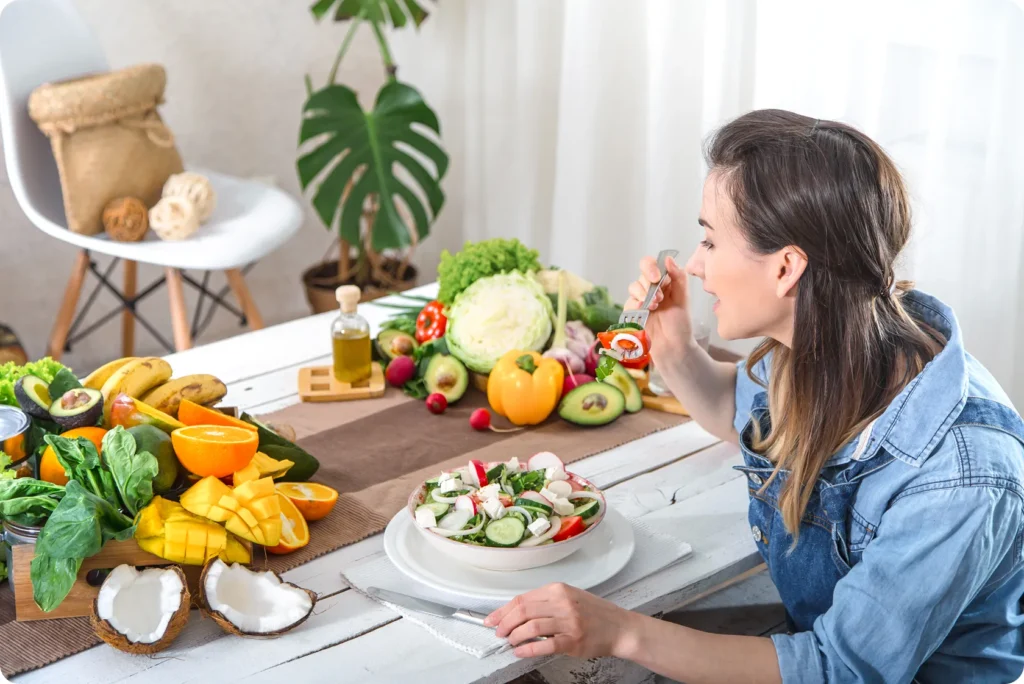
Good sources include whole grains (whole wheat bread and pasta, oatmeal, bran cereal), legumes (lentils, beans, chickpeas), fruit (berries, apples with the skin, oranges, pears), vegetables (carrots, broccoli, green peas) and nuts (NIDDK). The NHS also suggests adding wheat bran, oats or linseed (flaxseed) (NHS). Breakfast is an easy place to start, and our list of high-fiber breakfast foods has simple ideas. Limit foods with little fiber, such as chips, fast food and processed foods. For more on what to cut back on, see our guide to foods to avoid when constipated.
| Food | Serving | Approx. fiber |
|---|---|---|
| Prunes (dried plums) | 1/4 cup (40 g) | 2.8 g |
| Lentils, boiled | 1/2 cup (99 g) | 7.8 g |
| Chia seeds, dried | 1 oz (28 g) | 9.8 g |
Table 1: Fiber in common foods. Values calculated from USDA FoodData Central (SR Legacy entries 168162, 172421 and 170554).
2. Drink Enough Fluids
Fluids help fiber work better and keep stools soft (NIDDK). There is no single right amount for everyone. NIDDK advises asking a health professional how much to drink based on your size, health, activity level and climate. Mayo Clinic gives about 8 to 10 glasses (8 ounces each) of caffeine- and alcohol-free fluids a day as a general guide (Mayo Clinic). If a doctor has told you to limit fluids, for example because of a heart or kidney condition, follow that advice instead.
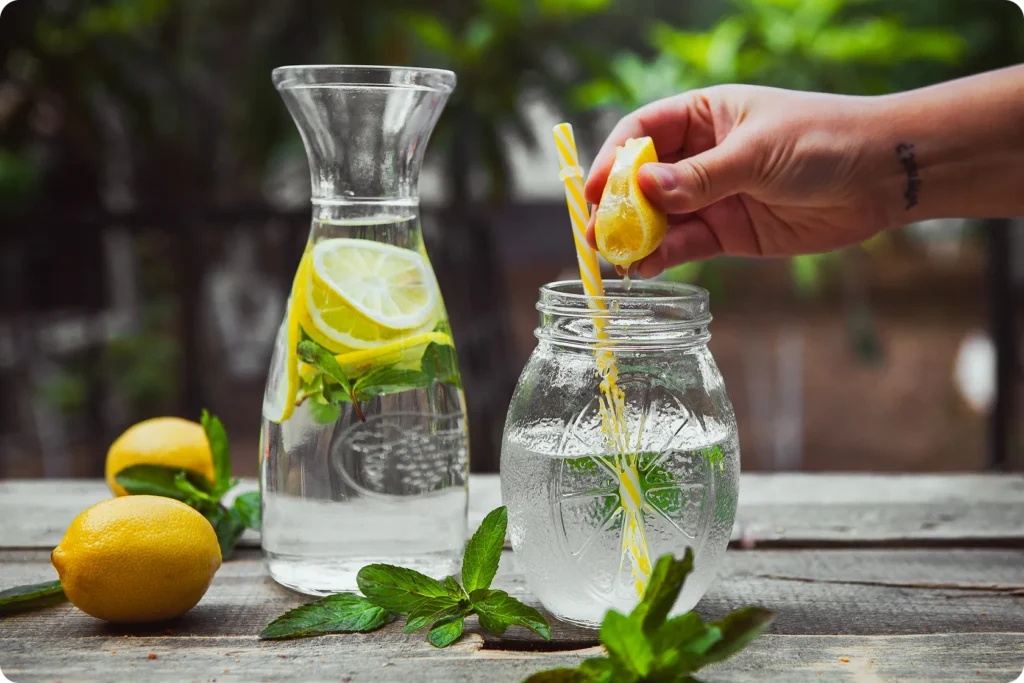
Water, clear soups, and fruit or vegetable juices all count (NIDDK). The NHS advises avoiding alcohol (NHS).
3. Eat Prunes and Other Fiber-Rich Fruit
Prunes contain fiber and natural substances that draw fluid into the colon (Mayo Clinic). That substance is sorbitol, which the NHS says is also found in apples, apricots, grapes, raisins, raspberries and strawberries (NHS). Start with a small amount, such as a few prunes or a small glass of prune juice, and increase slowly to avoid gas or loose stools.
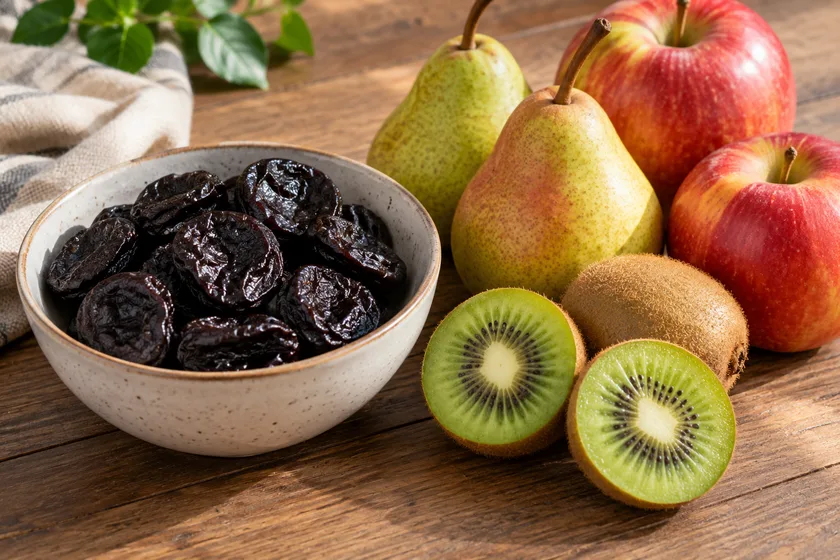
Fruits such as kiwi, papaya and apples help mainly because of their fiber. Cleveland Clinic lists papaya, oranges, berries and pineapple among useful high-fiber fruits, and NIDDK recommends apples with the skin on. Some people try yogurt or other products with probiotics, but research is still ongoing, and effects may depend on the specific strain (Mayo Clinic).
4. Stay Active
Regular physical activity may help relieve constipation (NIDDK). Mayo Clinic suggests exercising most days of the week, and the NHS notes that a daily walk or run can help you go more regularly. If you are not active now, start gently and ask your doctor about safe ways to begin.

5. Keep a Regular Toilet Routine
Try to have a bowel movement at the same time each day. Eating stimulates the colon, so 15 to 45 minutes after a meal such as breakfast can be a good time (NIDDK; Mayo Clinic). Give yourself enough time, and go as soon as you feel the urge. Ignoring the urge is a common cause of constipation.
6. Try a Footstool and Avoid Straining
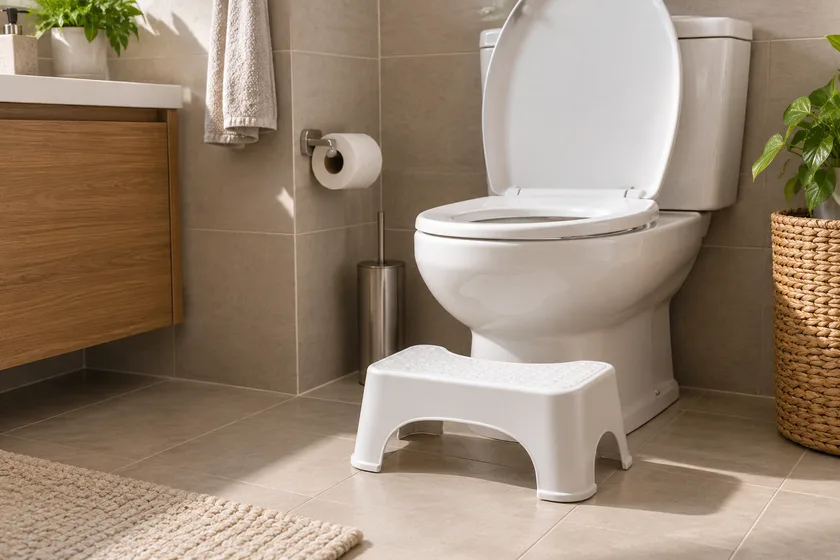
Resting your feet on a low stool so your knees are above your hips may make it easier for some people to pass stool (NHS; NIDDK). Try to relax your muscles rather than strain. Long-term straining is linked to hemorrhoids, anal fissures and pelvic floor damage (Cleveland Clinic).
7. Use an Over-the-Counter Laxative for a Short Time If Needed
If diet and lifestyle changes are not enough, a pharmacist can suggest a suitable laxative (NHS). The main types are:

| Type | Examples | How it works |
|---|---|---|
| Bulk-forming | Psyllium (ispaghula), methylcellulose | Adds fiber to make stool bulkier and softer; take with plenty of fluid |
| Osmotic | Polyethylene glycol, lactulose, magnesium hydroxide, magnesium citrate | Draws water into the bowel to soften stool |
| Stool softener | Docusate | Lets more water and fat into stool so it is softer |
| Stimulant | Senna, bisacodyl | Triggers the bowel muscles to push stool out |
Table 2: Main types of over-the-counter laxatives (NHS; Mayo Clinic)
Some important points:
- The NHS suggests trying a bulk-forming laxative first. Senna is a stimulant laxative, not a stool softener.
- Use over-the-counter laxatives for a short time only. The NHS advises not taking them for longer than 7 days, and speaking to a doctor or pharmacist if they have not helped after 3 days (NHS). Overuse can cause dependency and electrolyte problems (Mayo Clinic).
- Magnesium-based laxatives are not suitable for everyone. People with kidney disease can build up too much magnesium (Cleveland Clinic), so check with your doctor or pharmacist first.
- Check with a pharmacist or doctor before using a laxative if you are pregnant or breastfeeding, have a heart or bowel condition, or take other medicines (NHS).
Aloe vera is not recommended as a constipation remedy. Mayo Clinic says it is unclear whether aloe latex helps, and advises against taking it by mouth because it can cause kidney damage and other serious harm (Mayo Clinic).
Special Groups
- Children: Do not give laxatives to children under 6 without a healthcare professional's advice (Mayo Clinic). Talk with a GP or pediatrician if your child is having trouble passing stool.
- Pregnancy: Constipation is common during pregnancy and after birth. The diet and lifestyle steps above are safe to try (NHS). Ask your care team before using any laxative. Mayo Clinic notes that bulk-forming laxatives and stool softeners are generally considered safe, but stimulant laxatives may be harmful (Mayo Clinic).
- Older adults: Constipation is more common after age 60 to 65, partly because of lower fiber intake, less activity and more medicines (NIDDK). In someone with dementia, constipation can be easy to miss, so watch for changes in behavior such as confusion (NHS).
Preventing Constipation
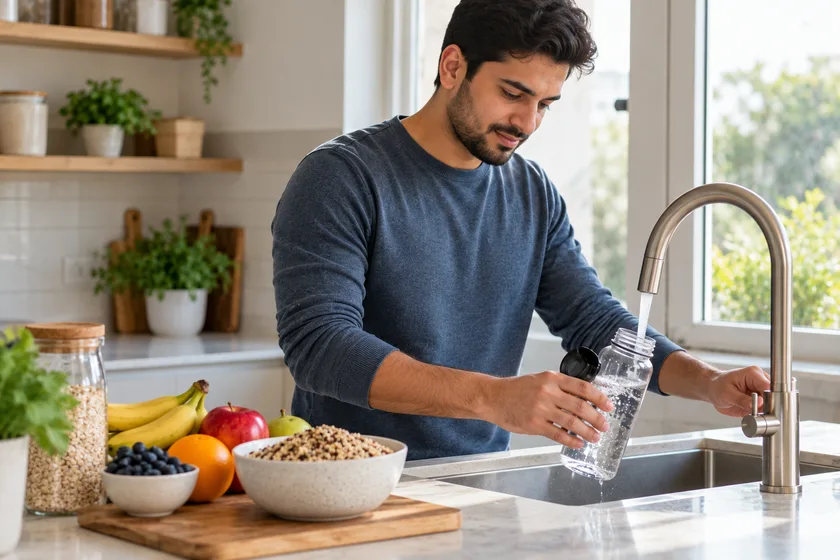
The steps that treat constipation also help prevent it: get enough fiber, drink plenty of fluids, stay active, and try to have a bowel movement at the same time each day (NIDDK). Stress, anxiety and depression can also play a part (NHS), so looking after your mental health helps too. If constipation keeps coming back, see a doctor to look for an underlying cause.
A Note on Gas and Flatulence
Passing more gas than usual is common when you are constipated, and also when you first add more fiber. Constipation and irritable bowel syndrome can both cause excess wind (NHS). To ease it, eat smaller meals, eat and drink slowly, stay active, and increase fiber gradually. Foods such as beans and lentils, cabbage, broccoli, cauliflower, Brussels sprouts, onions, dried fruit, sugar-free sweets with sorbitol, and fizzy drinks are common gas triggers. A pharmacist can suggest an over-the-counter remedy such as simethicone. See a doctor if gas comes with lasting pain or bloating, a change in bowel habits, weight loss or blood in your stool (NHS).
FAQ

1. How can I relieve constipation at home?
Add fiber gradually, drink enough fluids, stay active, and keep a regular toilet routine with your feet on a low stool if that helps. If these steps are not enough, a pharmacist can suggest a short-term laxative.
2. What fruits are good for constipation?
Prunes are a good choice because they contain fiber and sorbitol. Apples with the skin, pears, berries, oranges, kiwi and papaya also add fiber to your diet.
3. Which laxative should I try first?
The NHS suggests trying a bulk-forming laxative, such as psyllium, first, with plenty of fluids. Ask a pharmacist if you are unsure, are pregnant, have a health condition or take other medicines.
4. How much prune juice should I drink for constipation?
There is no official dose, so start with a small glass and see how your body responds. Increase slowly to avoid gas, bloating or loose stools.
5. When is constipation a reason to see a doctor?
See a doctor right away if you have blood in your stool, constant abdominal pain, vomiting, fever, are unable to pass gas, or are losing weight without trying. Also see a doctor if constipation lasts more than three weeks or does not improve with self-care.
Conclusion
Most constipation improves with more fiber, enough fluids, regular activity and a consistent toilet routine. Short-term use of an over-the-counter laxative can help when those steps are not enough, ideally with a pharmacist's advice. Know the warning signs, and see a doctor if constipation is severe, persistent or comes with symptoms such as bleeding or weight loss.

Medical Disclaimer
This article is for general information only and is not a substitute for professional medical advice, diagnosis or treatment. Talk with your doctor or pharmacist before starting a laxative or supplement, especially if you are pregnant, have a health condition or take other medicines. If you have severe symptoms, seek medical care right away.
External Links
- Constipation (NIDDK)
- Eating, Diet, & Nutrition for Constipation (NIDDK)
- Constipation: Diagnosis and treatment (Mayo Clinic)
- Constipation (NHS)
- Laxatives (NHS)
- Constipation (Cleveland Clinic)
- Foods for Constipation (Johns Hopkins Medicine)
- Doctor-Approved Home Remedies for Constipation (Temple Health)
About the author

Health Researcher and Writer
Haider Nadeem is a health researcher and the writer behind Healthy Eats Guide. He writes about health problems he faces or sees people around him face, and turns careful research into practical guides. Articles are researched and drafted with AI assistance, then fact-checked and edited by Haider using cited sources such as USDA, NIH, and peer-reviewed research.
Related blogs

Can Constipation Cause Fever? 7 Causes to Know
Can constipation cause fever? Usually not on its own. Learn which conditions link the two, warning signs, home steps and when to seek urgent care.
9 min read

Magnesium Bisglycinate: 10 Facts on Constipation Relief
Magnesium bisglycinate eases constipation gently and supports digestion. Learn magnesium glycinate vs bisglycinate benefits and safety tips.
14 min read
Do Potatoes Cause Constipation? 5 Myths Debunk
Do potatoes cause constipation? Discover the truth and get expert tips for a constipation-friendly diet. Improve your gut health today!
15 min read
Newsletter
Get practical nutrition guides in your inbox
Clear food-by-food advice and diet tips for everyday eating — no spam, unsubscribe anytime.