
Is Coffee Good for Health? 10 Key Benefits
Is coffee good for health? See 10 research-backed benefits of black coffee, safe caffeine limits, the healthiest ways to brew it, and who should cut back.

Introduction

For most healthy adults, yes, coffee is good for health in moderation. Large studies link about 3 to 4 cups a day (staying under roughly 400 milligrams of caffeine) with a lower risk of type 2 diabetes, heart disease, Parkinson's disease, and early death. The benefits apply mainly to plain or lightly sweetened coffee, and coffee is not a good fit for everyone: it can disturb sleep, trigger acid reflux in some people, and should be limited during pregnancy.
Whether you grab a steaming mug to jump-start your day, sip a latte with friends, or rely on an espresso shot for an afternoon pick-me-up, you have probably wondered how your daily brew affects your body. Conflicting headlines make it hard to know whether drinking coffee is healthy or harmful.
This article looks at what the research actually shows about black coffee nutrition and black coffee health benefits, from metabolism and blood sugar to mood and brain health. You'll also learn how much caffeine is reasonable, which brewing methods are gentler on cholesterol and your stomach, and when to switch to decaf. Most of the evidence comes from observational studies, which show links rather than proof that coffee causes these benefits, so we note where the science is strong and where it is still uncertain.
Why Coffee and Health Questions Matter
Coffee is one of the most widely consumed drinks in the world, so even small health effects add up across millions of people. A large umbrella review in The BMJ that pooled more than 200 meta-analyses found coffee was more often linked with benefit than harm, with the lowest risk for many outcomes at about 3 to 4 cups a day. The same review flagged pregnancy and fracture risk in women as areas where caution makes sense.
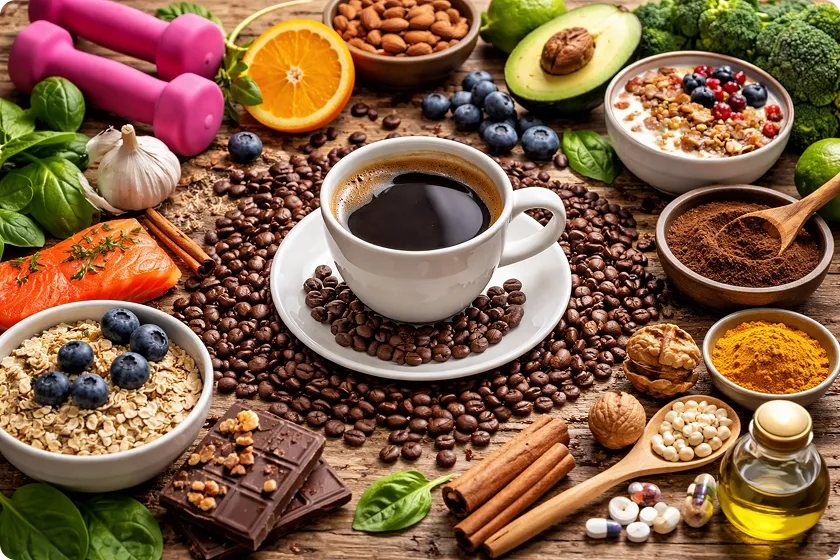
What you add to your cup matters as much as the coffee itself. Black coffee has almost no calories, while sweetened coffee-shop drinks can add hundreds of calories and a lot of added sugar. If you are watching sugar, our guide to daily sugar intake explains how quickly sweetened drinks add up. Individual responses also vary. Some people metabolize caffeine quickly, while others feel jittery or sleep poorly after a single cup.
Top 10 Benefits of Coffee

-
May modestly support metabolism and weight management. Caffeine can raise your metabolic rate and fat burning for a few hours. The effect is small, and it works best when coffee replaces sugary drinks rather than adding calories.
-
Provides antioxidants. Coffee contains polyphenols, especially chlorogenic acids, which help counter oxidative stress. For many people, coffee is one of the biggest sources of polyphenols in their diet.
-
Linked to a lower risk of type 2 diabetes. In a 2014 meta-analysis in Diabetes Care, each additional daily cup of coffee was associated with about a 7% lower risk of type 2 diabetes, for both caffeinated and decaf coffee.
-
Linked to better heart health. A 2014 meta-analysis in Circulation found the lowest cardiovascular risk at about 3 to 5 cups a day, with heavy intake not linked to higher risk.
-
May support mood. Caffeine increases alertness, and observational studies link moderate coffee drinking with a lower risk of depression. Too much caffeine, however, can worsen anxiety.
-
Linked to a lower risk of Parkinson's disease. Coffee and caffeine intake are consistently associated with lower Parkinson's risk in observational research. Findings for Alzheimer's disease and dementia are less consistent.
-
Keeps digestion moving. Coffee stimulates bowel activity in many people, which can help regularity. It can also trigger heartburn in some people, so this "benefit" depends on your gut.
-
Boosts alertness and exercise performance. Caffeine improves focus and reaction time, and taking it before exercise can improve endurance in many people.
-
Almost zero calories. According to USDA FoodData Central, an 8-ounce cup of brewed black coffee has about 2 calories, plus small amounts of potassium, magnesium, and riboflavin (vitamin B2).
-
Linked to longer life. In a large New England Journal of Medicine study of more than 400,000 older adults, coffee drinkers had a lower risk of death over about 13 years than non-drinkers. This shows an association, not proof that coffee extends life.
Coffee, Metabolism, and Weight Management
Many people want to know whether drinking coffee can help them maintain or lose weight. Caffeine is a natural stimulant that can increase energy use and fat burning for a few hours. Some trials and reviews suggest caffeine intake is linked with modest reductions in weight and body fat, but the effects are small, and tolerance builds with regular use. Coffee is not a weight-loss tool on its own.

Coffee fits weight goals best when you stick to plain black coffee or espresso. An 8-ounce cup of black coffee contains about 2 calories and no sugar. Adding sugar, syrups, or creamers can quickly turn coffee into a high-calorie drink. To estimate how coffee drinks fit into your day, see our guide to maintenance calories. Moderation is key: the FDA cites 400 milligrams of caffeine a day, about two to three 12-ounce cups of coffee, as an amount not generally linked to negative effects in most adults.
Actionable tips for metabolism support:
-
Choose plain black coffee or espresso. Skip the syrups and heavy creamers to keep your coffee low in calories.
-
Time it around activity. Coffee about an hour before exercise can help some people feel more energetic and perform better.
-
Stay within recommended limits. Keep total caffeine from all sources at or below about 400 milligrams a day, and less if you're sensitive.
Antioxidants in Coffee
Coffee has more than just caffeine. It also contains polyphenols, mainly chlorogenic acids, along with other plant compounds that help counter oxidative stress. Because so many people drink it daily, coffee is a major source of polyphenols in many diets.
Black coffee also supplies small amounts of nutrients. Per USDA data, an 8-ounce cup provides roughly 115 milligrams of potassium, 7 milligrams of magnesium, and a little riboflavin. These amounts are modest, so coffee complements a nutrient-rich diet rather than replacing one. Roasting changes the mix of compounds: lighter roasts tend to keep more chlorogenic acids, while darker roasts develop other compounds during roasting. Filtering coffee through paper removes most of the diterpenes (cafestol and kahweol) that can raise LDL cholesterol.
Actionable tips for getting the most from coffee's antioxidants:
- Pick a roast you enjoy. Light and medium roasts keep more chlorogenic acids, but the best roast is one you can drink without lots of sugar.
- Use paper filters. Drip or pour-over coffee brewed through a paper filter removes most cholesterol-raising diterpenes.
- Go easy on sugar and sweet creamers. They add calories and added sugar without adding any benefit.
Coffee, Blood Sugar, and Diabetes Risk
"Is coffee good for diabetics?" is a common question, and the answer depends on the time frame. In the short term, caffeine can temporarily reduce insulin sensitivity and raise blood sugar in some people. Over the long term, though, regular coffee drinking is linked to a lower risk of developing type 2 diabetes. The 2014 Diabetes Care meta-analysis found about a 7% lower risk for each additional daily cup, and the link held for decaf too, suggesting compounds other than caffeine, such as chlorogenic acids, may play a role.
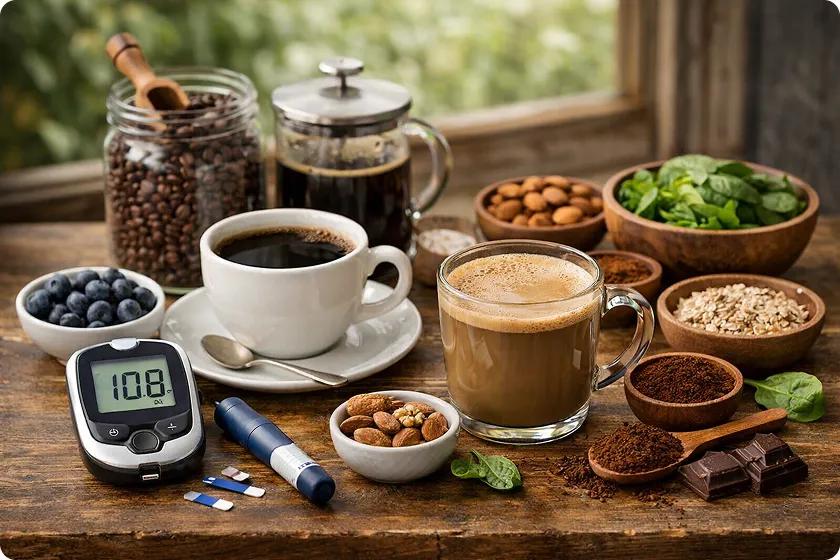
If you already have diabetes, watch how your own blood sugar responds. Spreading your coffee through the morning, choosing decaf later in the day, and skipping sweetened coffee drinks can all help. Talk with your healthcare provider about how coffee fits your management plan.
Actionable tips for blood sugar management:
-
Monitor your response. Check how your blood glucose responds to coffee and adjust your intake accordingly.
-
Enjoy coffee without sweeteners. Sugar and flavored syrups can cancel out coffee's potential benefits.
-
Consider decaf after midday. Decaf still contains polyphenols while limiting caffeine's effects on sleep.
How to Drink Coffee in a Healthy Way
To make the most of coffee's benefits, pay attention to how much you drink, how you brew it, and when you drink it. These steps help you enjoy coffee while limiting downsides such as poor sleep, heartburn, and jitters.

How Much Coffee Is Safe?
Moderation is the cornerstone of a healthy coffee routine. The FDA cites 400 milligrams of caffeine a day, about two to three 12-ounce cups (roughly four 8-ounce cups) of coffee, as an amount not generally linked to negative effects in most adults. Going above that can cause jitteriness, anxiety, an upset stomach, a fast heartbeat, and trouble sleeping. The American College of Obstetricians and Gynecologists advises keeping caffeine under 200 milligrams a day during pregnancy. Teens and people with heart rhythm problems, anxiety disorders, or other medical conditions should ask a doctor what amount is right for them.
Unfiltered coffee, such as French press, Turkish, or boiled coffee, contains diterpenes that can raise LDL cholesterol. A paper filter, as in drip or pour-over coffee, removes most of them. Decaf is a good option if you're sensitive to caffeine. Coffee counts toward your daily fluids for regular drinkers, but water should still be your main drink.
Table 1: Caffeine content in various sources
| Beverage or supplement | Typical serving size | Caffeine (mg) | Notes |
|---|---|---|---|
| Brewed coffee | 8 oz | About 80–100 | USDA lists about 95 mg for 8 oz |
| Espresso | 1 oz shot | About 63 | More caffeine per ounce, less per serving |
| Decaffeinated coffee | 8 oz | 2–15 | Still contains polyphenols |
| Green tea | 8 oz | 30–50 | Contains catechins |
| Black tea | 8 oz | 40–70 | Contains flavonoids |
| Caffeine pill | 1 tablet | 100–200 | Concentrated; easy to exceed limits |
Values vary by bean, brew strength, and brand.
Key takeaways for responsible drinking:
-
Space out your cups. Avoid drinking large amounts in a short period to reduce jitteriness.
-
Count all caffeine. Tea, energy drinks, soda, and supplements add to your daily total.
-
Listen to your body. If you feel shaky or anxious, cut back or switch to decaf.
Choosing the Right Brew
The caffeine content, flavor, and compounds in your coffee vary by brewing method and roast. Espresso is concentrated, so it has more caffeine per ounce but usually less per serving than a mug of drip coffee. Drip coffee made with a paper filter is a convenient, cholesterol-friendly choice. Cold brew is steeped in cold water for many hours, and many people find it tastes smoother and less bitter, though research on whether it is easier on reflux is limited. An Americano is espresso diluted with hot water, so it has the same compounds as the shot it is made from, spread over a bigger cup.
Roast level mostly changes flavor and the mix of plant compounds. Light roasts keep more chlorogenic acids, while dark roasts taste bolder. Caffeine differences between roasts are small when you measure by weight. When choosing your brew, think about taste, how your stomach handles it, and your cholesterol, especially if you drink several cups of unfiltered coffee a day.
Table 2: Brew methods compared
| Brew method | Caffeine per serving | Highlights | Considerations |
|---|---|---|---|
| Espresso | Moderate (small shot) | Intense flavor; concentrated | Unfiltered; small serving |
| Americano | Same as the espresso used | Milder flavor | Same compounds, more water |
| Cold brew | Varies, often high | Smooth, less bitter taste | Strength varies widely by brand |
| Drip coffee (paper filter) | Moderate to high | Removes most diterpenes | Convenient; widely available |
| French press | Moderate to high | Robust flavor; full body | Keeps diterpenes that may raise LDL cholesterol |
Coffee Timing and Sleep
Caffeine blocks adenosine, a brain chemical that builds sleep pressure, so it keeps you alert. That's helpful in the morning but can backfire at night. In a 2013 sleep study, 400 milligrams of caffeine taken even 6 hours before bed cut total sleep by more than an hour. A simple rule is to stop caffeinated coffee at least 6 hours before bedtime, and earlier if you're sensitive. In the evening, choose decaf or a caffeine-free herbal tea.

Relying on coffee to make up for poor sleep can turn into a cycle of late-day caffeine and restless nights. Regular bedtimes and a wind-down routine help you get more from your morning cup. Our sleep hygiene checklist has practical steps.
Habits That Help Coffee Fit a Healthy Diet
Coffee alone won't transform your health. Pairing it with a balanced diet, regular movement, enough sleep, and stress management matters far more. This section covers digestion, mood, and alternatives.

Coffee, Digestion, and Acid Reflux
Coffee stimulates the gut, which is why many people need the bathroom soon after their morning cup. Early research also suggests coffee may influence the gut microbiome, but human evidence is still limited.
For people with heartburn or GERD, coffee is a common trigger. The NIDDK lists coffee and other sources of caffeine among the foods and drinks commonly linked to GERD symptoms, although many people tolerate it fine. If coffee gives you heartburn, try a smaller cup, drink it with food rather than on an empty stomach, avoid it close to bedtime, or switch to decaf. Our GERD relief guide covers more ways to manage flare-ups, and our post on whether bananas are good for acid reflux suggests a gentle food to pair with your morning cup.
Practical strategies for digestion:
-
Eat before or with your coffee. A high-fiber breakfast can make your morning cup easier on your stomach.
-
Notice your triggers. If heartburn follows coffee, cut back, try decaf, or talk to your doctor.
-
Balance coffee with fiber and fermented foods. Fruits, vegetables, whole grains, and yogurt support overall gut health.
Coffee, Mood, and Anxiety
Coffee's effect on mood cuts both ways. Caffeine increases alertness and can lift energy, and observational studies link moderate coffee drinking with a lower risk of depression. On the other hand, higher doses can increase anxiety and restlessness, especially in people who are sensitive to stimulants or who have anxiety disorders.
Pay attention to how you feel after drinking coffee. If you notice jitteriness or worry, cut back or switch to decaf after midday. Regular physical activity, mindfulness, and time with friends and family also support mood, so your daily brew stays an ally rather than a stressor.
Mood-supporting tips:
-
Start with one cup and assess. Everyone's sensitivity to caffeine is different; adjust your intake accordingly.
-
Use relaxation techniques. Deep breathing or a short walk can ease caffeine jitters.
-
Make it social. Having coffee with a friend can be a simple mood boost.
Coffee vs. Tea and Caffeine Pills
Many people wonder whether tea is healthier than coffee, or whether caffeine pills offer the same benefits. Both coffee and tea contain beneficial plant compounds, but their caffeine and polyphenol profiles differ. An 8-ounce cup of coffee typically contains 80 to 100 milligrams of caffeine, while green or black tea usually contains about 30 to 70 milligrams.
Coffee gives a stronger energy boost, while tea offers a gentler lift. Tea, especially green tea, is rich in catechins. As Harvard Health notes, both can be part of a healthy diet, so the choice comes down to taste, caffeine tolerance, and how your body responds.
Caffeine pills usually contain 100 to 200 milligrams per tablet. They provide caffeine without coffee's polyphenols, and because they're concentrated, it's easy to take too much, leading to a rapid heartbeat, anxiety, and insomnia. Pure and highly concentrated caffeine powders and liquids are especially risky, and the FDA has warned consumers about them. If you use caffeine pills, follow the label, count them toward your daily total, and check with a healthcare provider first if you're pregnant, breastfeeding, or taking medications.
Practical takeaways for alternatives:
-
Prefer whole-food sources. Coffee and tea provide caffeine along with beneficial plant compounds.
-
Use caffeine pills cautiously. Only consider them when needed and stick to the label dose.
-
Explore herbal and decaf options. Rooibos, chamomile, or decaf coffee offer warmth without the stimulant effects.
Conclusion
So, is coffee good for health? For most healthy adults, moderate coffee drinking, about 3 to 4 cups a day and no more than about 400 milligrams of caffeine, is linked to real benefits: lower risk of type 2 diabetes, heart disease, and Parkinson's disease, better alertness, and a longer life in large population studies. Most of this evidence shows associations, and the benefits shrink when coffee comes loaded with sugar and cream.
Drink it black or lightly sweetened, use a paper filter if your cholesterol is a concern, stop caffeine well before bedtime, and cut back or switch to decaf if it triggers heartburn or anxiety. If you're pregnant or have a heart, sleep, or digestive condition, ask your doctor what amount is right for you.
How do you take your coffee? Share your favorite brewing method in the comments.
Related Guides
- What Is My Maintenance Calories? 7 Tips to Calculate It
- High Fiber Breakfast Foods: 10 Essential Choices for Health
- 6 Effective Foods to Eat to Lose Belly Fat
- GERD Relief: 7 Proven Tips to Manage Flare-Ups
This article is for general information and isn't a substitute for personal medical advice. Talk with your doctor before making major changes to your caffeine intake, especially if you are pregnant or have a health condition.
Sources
- Poole R, Kennedy OJ, Roderick P, et al. Coffee Consumption and Health: Umbrella Review of Meta-Analyses of Multiple Health Outcomes. BMJ. 2017, 359:j5024. doi:10.1136/bmj.j5024
- Ding M, Bhupathiraju SN, Chen M, van Dam RM, Hu FB. Caffeinated and Decaffeinated Coffee Consumption and Risk of Type 2 Diabetes: A Systematic Review and a Dose-Response Meta-Analysis. Diabetes Care. 2014, 37(2):569-586. doi:10.2337/dc13-1203
- Ding M, Bhupathiraju SN, Satija A, van Dam RM, Hu FB. Long-Term Coffee Consumption and Risk of Cardiovascular Disease. Circulation. 2014, 129(6):643-659. doi:10.1161/CIRCULATIONAHA.113.005925
- Freedman ND, Park Y, Abnet CC, Hollenbeck AR, Sinha R. Association of Coffee Drinking with Total and Cause-Specific Mortality. N Engl J Med. 2012, 366(20):1891-1904. doi:10.1056/NEJMoa1112010
- Drake C, Roehrs T, Shambroom J, Roth T. Caffeine Effects on Sleep Taken 0, 3, or 6 Hours Before Going to Bed. J Clin Sleep Med. 2013, 9(11):1195-1200. doi:10.5664/jcsm.3170
- U.S. Food and Drug Administration. Spilling the Beans: How Much Caffeine Is Too Much?
- USDA FoodData Central. Beverages, Coffee, Brewed, Prepared With Tap Water.
- American College of Obstetricians and Gynecologists. Moderate Caffeine Consumption During Pregnancy.
- NIDDK. Eating, Diet, and Nutrition for GER and GERD.
- Johns Hopkins Medicine. 9 Reasons Why (the Right Amount of) Coffee Is Good for You.
- Harvard Health Publishing. Which Is Healthier: Coffee or Tea?
FAQ
1. Is black coffee really low in calories?
Yes. USDA data shows an 8-ounce cup of brewed black coffee has about 2 calories and almost no fat, carbs, or sugar. Coffee-shop drinks with syrups, sugar, and cream can add 100 to 400 calories or more, so check the menu nutrition facts.
2. Can coffee boost metabolism and help with weight loss?
Only a little. Caffeine can modestly raise your metabolic rate and fat burning for a few hours, and some studies link it with small reductions in body fat. The effect fades with regular use, so diet, activity, and sleep matter far more.
3. How many cups of coffee a day are safe?
For most healthy adults, up to about 400 milligrams of caffeine a day, roughly four 8-ounce cups of brewed coffee, is not generally linked to harmful effects. Keep it under 200 milligrams during pregnancy, and cut back if you notice jitters, a racing heart, or poor sleep.
4. Can coffee cause acid reflux or heartburn?
It can for some people. Coffee and other caffeinated drinks are common reflux triggers, though many people tolerate them. Try a smaller cup with food, avoid it near bedtime, or switch to decaf, and see our GERD relief guide for more tips.
5. How does coffee compare with caffeine pills?
Caffeine pills usually deliver 100 to 200 milligrams per tablet but lack coffee's polyphenols. Because they're concentrated, it's easy to exceed safe limits and get headaches, anxiety, insomnia, or a rapid heartbeat. Follow the label and ask a healthcare professional before using them regularly.
About the author

Health Researcher and Writer
Haider Nadeem is a health researcher and the writer behind Healthy Eats Guide. He writes about health problems he faces or sees people around him face, and turns careful research into practical guides. Articles are researched and drafted with AI assistance, then fact-checked and edited by Haider using cited sources such as USDA, NIH, and peer-reviewed research.
Related blogs
Heart Failure Diet: 10 Foods for Better Heart Health
A heart failure diet built on 10 essential low-sodium foods, plus label-reading tips, potassium and fluid cautions, a sample meal plan and warning signs to report.
16 min read

Best Diet for Arthritis: 7 Essential Foods for Joint Health
The best diet for arthritis: 7 joint-friendly foods, what to limit, how weight and inflammation affect joints, a sample meal plan and when to see a doctor.
9 min read
5 Magnesium Glycinate Benefits for Women's Health
Magnesium glycinate benefits for women: Enhance sleep, ease PMS cramps, boost mood & support healthy weight. Discover these wellness advantages today!
14 min read
Newsletter
Get practical nutrition guides in your inbox
Clear food-by-food advice and diet tips for everyday eating — no spam, unsubscribe anytime.