
7 Chia Benefits: Nutrition, Daily Amount and Safety
7 essential chia benefits for digestion, fullness, heart health, energy, bones and blood sugar, with chia seed nutrition facts, how much to eat per day and how to eat them safely.
Introduction

Chia seeds may be tiny, but they can have a surprisingly powerful impact on your health. If you’ve ever wondered whether chia benefits live up to the buzz, they mostly do, and they deserve a spot in a balanced diet, though they are not a cure-all. Many people look for simple, affordable, and natural ways to improve their digestion, boost energy, support heart health, and manage their weight. Chia seeds fit perfectly into that picture because they’re nutrient-dense, incredibly versatile, and easy to add to almost any meal.
In this article, we’ll explore seven essential reasons to eat chia seeds daily, based on their nutrients and the research available so far. You’ll also learn practical ways to use them, from chia seed pudding to adding chia to smoothies, yogurt, and water. We’ll also highlight chia seed nutrition facts, including how much to eat per day and which type (black or white) may suit you best.
1. Chia Seeds Support Strong Digestion
Good digestion also supports immunity, nutrient absorption, and a healthy gut microbiome. Chia plays a gentle yet effective role in all these areas. Here’s how:
Chia Seeds Are Rich in Fiber
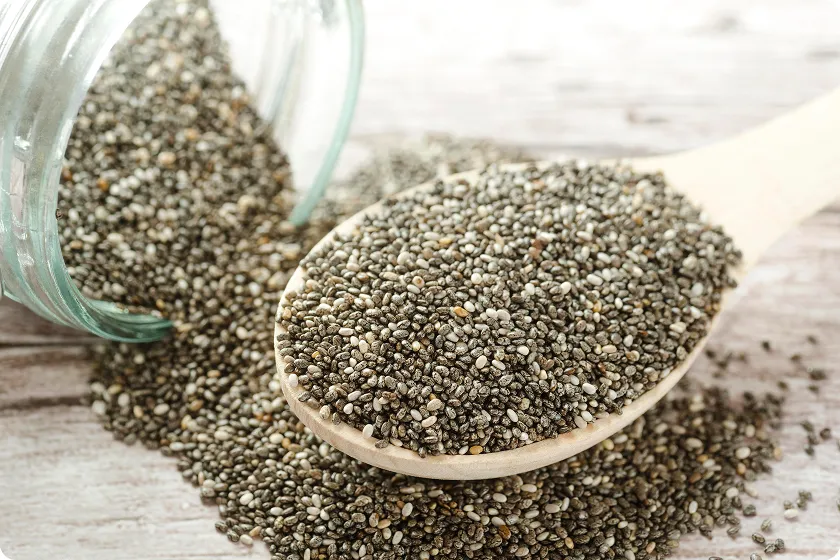
Few whole foods pack as much fiber as chia seeds, and much of it is the soluble kind. You can get about 4 grams from one tablespoon (about 12 grams of seeds), according to USDA data, which is a useful share of what you need each day.
Fiber helps by:
-
Adding bulk to stool
-
Supporting healthy gut bacteria
-
Stabilizing digestion
-
Preventing constipation
This makes chia seeds especially useful for individuals with sluggish digestion or low-fiber diets.
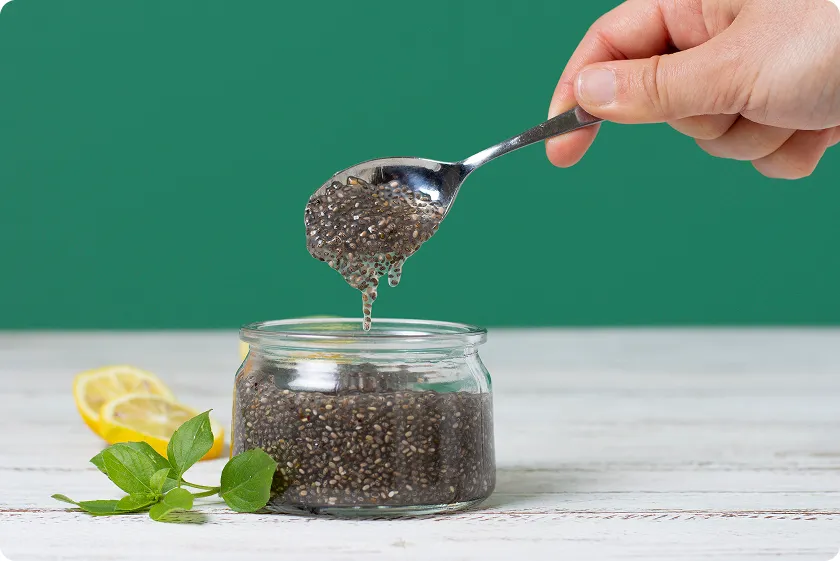
How Chia Gel Helps Your Gut
When soaked, chia forms a gel that can help:
-
Ease digestion
-
Slow down sugar absorption
-
Soothe the digestive tract
The fiber in chia can also be fermented by gut bacteria, which may support a healthy gut microbiome, although research in people is still limited.
Daily Fiber Goals With Chia
The National Academies set an adequate fiber intake of about 25 grams daily for women aged 19 to 50 and about 38 grams daily for men in the same age range, with lower targets for older adults, and the 2025 to 2030 Dietary Guidelines for Americans name fiber as a nutrient most people do not get enough of. Chia seeds make reaching that target much easier.
For example:
- 1 tbsp = about 4 g fiber
- 2 tbsp = about 8 g fiber
This is why chia seeds fiber content is one of their biggest digestive advantages.
2. Chia Seeds Promote Healthy Weight Management
For weight balance, slow-digesting, nutrient-dense foods are your best friend. Chia seeds offer several natural mechanisms that support healthy weight control without extreme dieting or restriction. They help keep you full, reduce unnecessary snacking, and support steady energy, and each of these helps when weight loss or weight maintenance is the goal.
Chia and Satiety
The combination of fiber, healthy fats, and protein creates a powerful fullness effect. Chia seeds expand when soaked, which physically reduces hunger.
You may notice:
-
Fewer cravings
-
Longer-lasting fullness
-
Steadier energy between meals
Chia Seed Water for Weight Loss
Drinking chia-soaked water before meals may help reduce portion sizes naturally. The swelling of the seeds may help you feel fuller, though studies on chia and weight loss have shown small or no effects.
Steps:
-
Add 1 tbsp chia seeds to at least 1 cup (8 ounces) of water.
-
Let them swell for 10 to 15 minutes.
-
Drink before breakfast or lunch.
Always let the seeds swell fully before drinking, and never swallow dry seeds. Mix them into liquid first and never eat a spoonful of dry seeds followed by water, since dry chia can swell in the throat and cause a blockage.
Chia as a Low-Calorie Filler
Chia seeds work well in:
-
Oatmeal
-
Smoothies
-
Soups
-
Yogurt bowls
They add fiber and texture, but they are calorie-dense, so measure your portion.
3. Chia Seeds Boost Heart Health
Heart disease is the leading cause of death in the United States. Fortunately, everyday foods like chia seeds can offer meaningful support for cardiovascular health. With omega-3s, antioxidants, fiber, and minerals, chia seeds nourish your heart from multiple angles.
Omega-3 Benefits
Few plant foods supply as much alpha-linolenic acid (ALA), a plant omega-3 fat, as chia. ALA may help:
-
Reduce inflammation
-
Support circulation
-
Maintain healthy blood pressure
The body converts only a small amount of ALA into the EPA and DHA found in fish, so ALA is not equivalent to EPA and DHA. Chia is a helpful addition but not a full replacement for fish omega-3s.
How Chia Helps Lower Cholesterol
Soluble fiber can help lower LDL ("bad") cholesterol, and some small studies suggest chia may modestly improve blood pressure and blood lipids. Results so far are mixed, and a 2024 meta-analysis found no significant change in cholesterol levels, so chia works best as part of an overall heart-healthy diet rather than as a treatment.
Anti-Inflammatory Properties
Chronic inflammation is linked to heart disease, and chia seeds contain antioxidants and omega-3 fats that may help reduce inflammation, although more research in people is needed.
4. Chia Seeds Provide Steady Energy
Chia seeds combine fiber, fat and protein, which can help you feel steadily fueled rather than hungry soon after eating.
A Note on Sensitive Digestion
Chia seeds contain a large amount of soluble fiber, which expands and forms a gel when mixed with liquid. While this is fine for most people, those with sensitive digestion, such as individuals with IBS, gastritis, or a naturally delicate stomach, may find this fiber difficult to handle.
The sudden increase in fiber can lead to symptoms like bloating, stomach cramps, or excessive gas. This usually happens when chia seeds are eaten in large amounts too quickly or without enough water. For sensitive individuals, it’s better to start with a very small portion (½ teaspoon) and gradually increase over time to allow the digestive system to adjust comfortably.
Slow Digesting Carbs
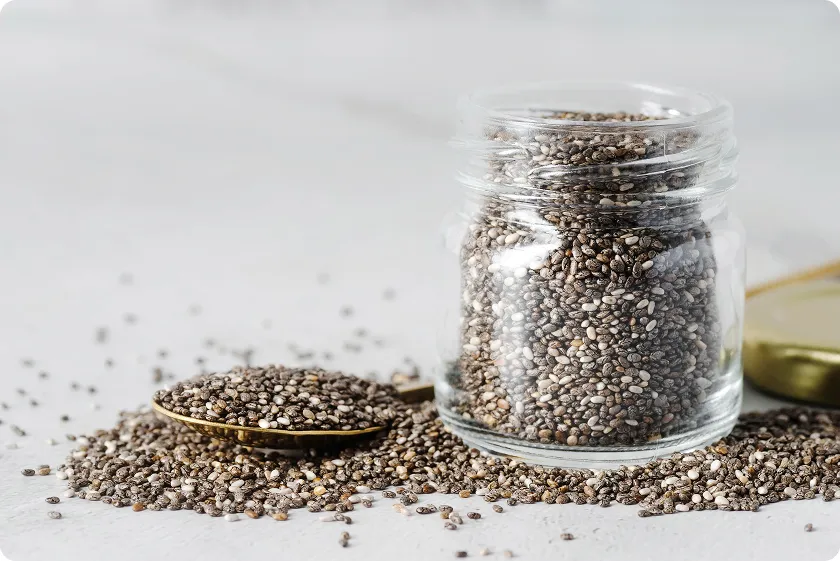
Chia seeds contain slow-digesting carbs and fiber, which release energy gradually throughout the day. This may help reduce the energy spikes and crashes that can follow sugary processed foods.
Chia in Breakfast Meals
Adding chia to breakfast is one of the best ways to start your day with steady energy. It works beautifully in:
-
Smoothies
-
Overnight oats
-
Chia seed pudding
-
Yogurt bowls
Its mild flavor blends well with almost anything.
Hydration and Electrolyte Support
Soaked chia holds water, and chia water counts toward your daily fluids. However, there is little evidence that chia improves hydration more than plain water, and it is not a substitute for a sports drink during long, hot workouts.
5. Chia Seeds Support Bone and Muscle Health
Chia seeds provide calcium, magnesium, phosphorus and some plant protein.
Watch the Portion Size
Even though chia seeds are healthy, they are also calorie-dense because of their natural fats. One tablespoon contains about 58 calories, which can easily add up if someone consumes multiple servings a day, especially in chia pudding, smoothies, baked goods, or yogurt parfaits.
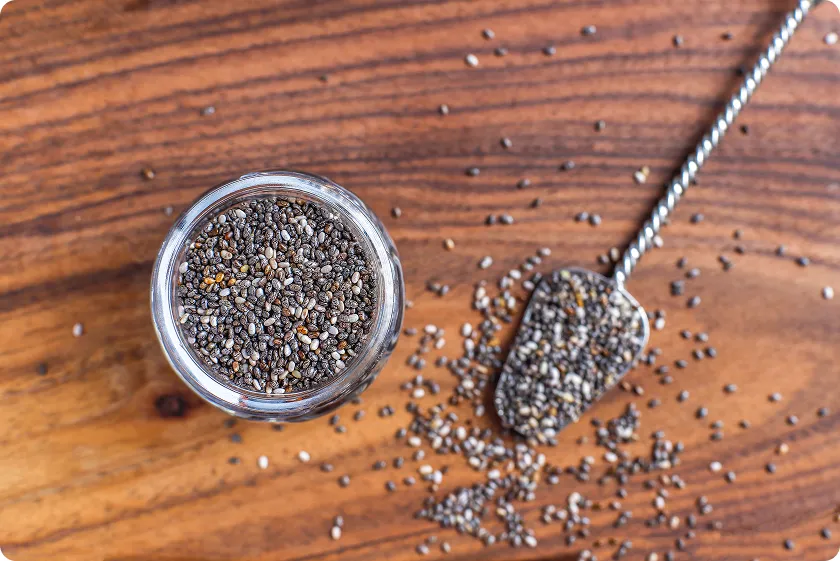
If portion sizes aren’t monitored, chia seeds may unintentionally push total daily calorie intake higher than expected. This can work against weight-loss goals or lead to slow, unnoticed weight gain over time. The key is moderation: usually 1 to 2 tablespoons per day is enough to get the benefits without overwhelming your daily calorie needs.
Calcium and Magnesium Benefits
One tablespoon of chia offers:
-
About 76 mg of calcium for bones, about 6 percent of the daily value
-
Magnesium for muscle function
-
Phosphorus for tissue repair
These minerals work together to maintain long-term bone strength.
Do Chia Seeds Have Protein?
Yes, chia seeds contain plant-based protein that helps:
-
Repair muscles
-
Support tissue growth
-
Maintain strength
This makes chia a great addition to vegetarian or vegan diets.
Chia for Active Individuals
Athletes and gym-goers can use chia as part of a recovery snack. Chia alone has only about 2 grams of protein per tablespoon, so pair it with yogurt, milk or a protein source after workouts.
6. Chia Seeds Help Balance Blood Sugar
Stable blood sugar impacts mood, energy, hunger, and long-term health. Chia seeds help keep glucose levels steady thanks to their fiber and gel-forming abilities.
Fiber Slows Glucose Release
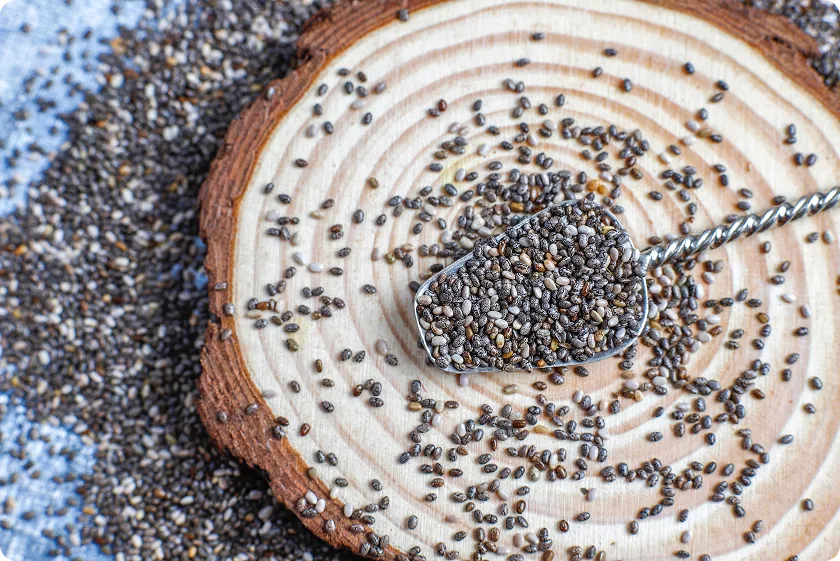
The soluble fiber in chia creates a gel that slows digestion, preventing sugar from entering the bloodstream too quickly. Small studies suggest adding chia to meals may lower the rise in blood sugar afterward, which may help people with insulin resistance. If you take diabetes medicine, check your blood sugar when you change your diet.
Chia With Yogurt or Smoothies
Adding chia to yogurt, kefir, or protein smoothies helps create a more balanced meal. The fiber and fat work together to reduce the impact of natural sugars in fruits or dairy.
Best Ways to Use Chia for Blood Sugar
Try:
-
Chia pudding
-
Chia oatmeal
-
Chia water with lemon
-
Chia added to salads or soups
These simple additions can improve glycemic balance throughout the day.
7. Chia Seeds Are Versatile and Easy to Use Daily
One of the best chia benefits is how effortlessly they fit into almost any meal. They don’t change flavor dramatically, and they’re extremely simple to prepare.
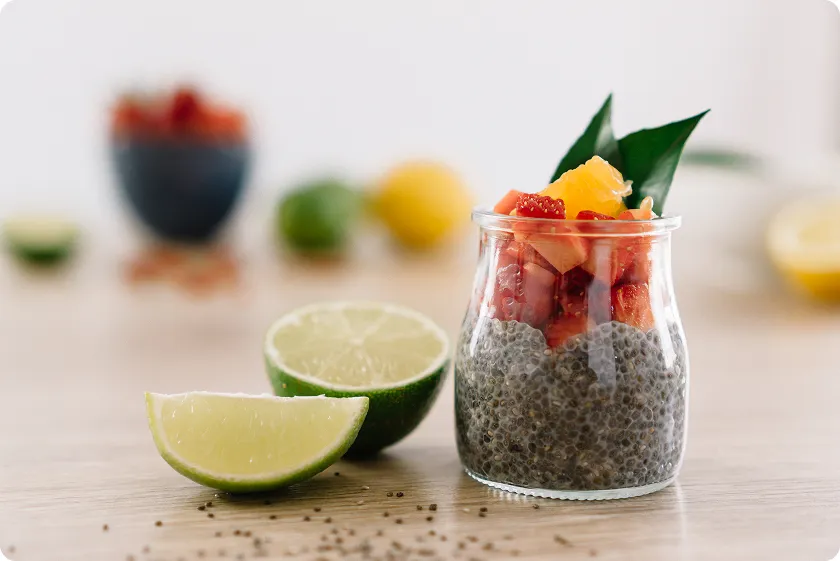
Chia Seed Pudding
This popular recipe is:
-
High in fiber
-
High in omega-3s
-
Usually easy to digest when soaked
-
Great for breakfast or snacks
You can add fruit, cinnamon, yogurt, or nuts. Many people enjoy it as a healthier dessert too.
Chia in Drinks and Meals
Chia can be mixed into:
-
Smoothies
-
Water
-
Juices
-
Soups
-
Baked goods
-
Oatmeal
Its mild taste makes it a flexible ingredient for both sweet and savory recipes.
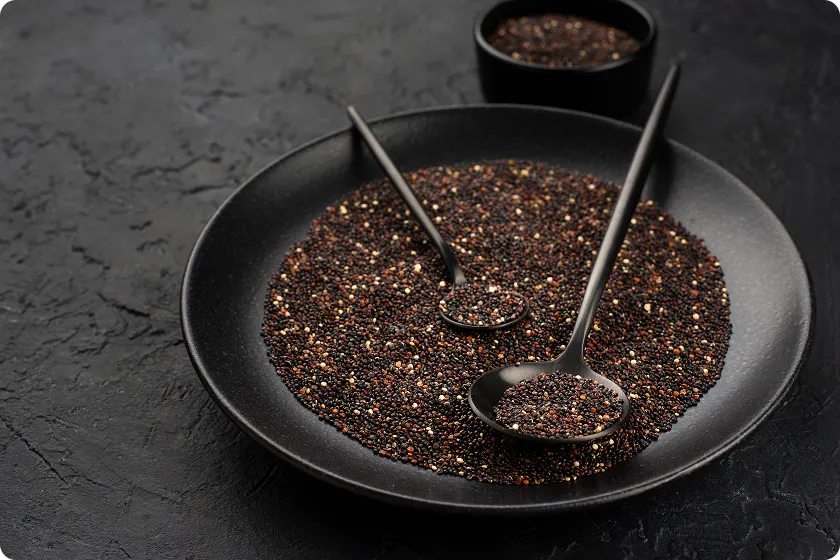
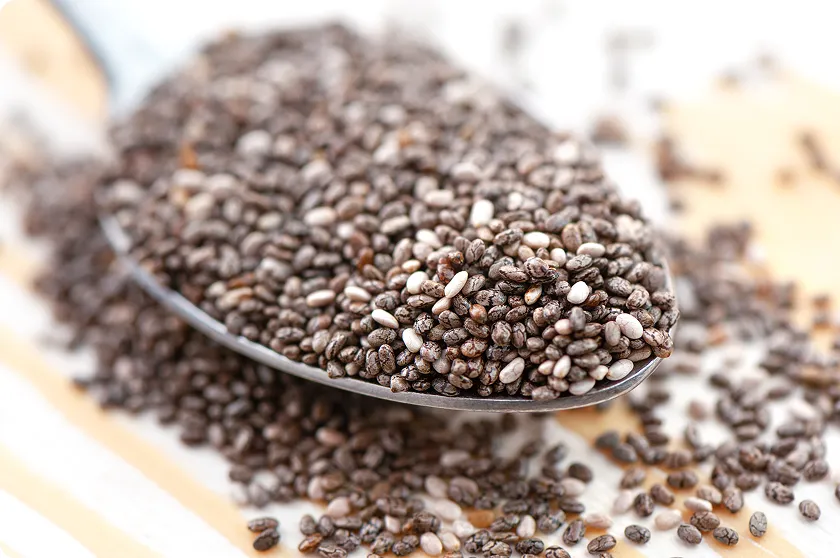
Black vs. White Chia Seeds
Nutritionally, both are similar. Differences are mostly visual:
-
Black chia seeds: More common
-
White chia seeds: Slightly softer texture
Choose whichever matches your recipes or personal preference.
Chia Seed Nutrition Table
Table: Chia Seeds Nutrition in 1 Tablespoon (approx.)
| Nutrient | Amount |
|---|---|
| Calories | 58 kcal |
| Fiber | 4 g |
| Protein | 2 g |
| Fat | 3.7 g (including omega-3s) |
| Calcium | 76 mg |
| Magnesium | 40 mg |
| Carbohydrates | 5 g |
Chia seeds pack an impressive amount of nutrition into just one tablespoon. With around 58 calories, they provide energy from a mix of fats, fiber, and protein. The figures in the table come from USDA FoodData Central for about 12 grams (1 tablespoon) of dry seeds, and values vary slightly by brand. The fiber helps support smooth digestion, regulate blood sugar, and keep you fuller for longer. You also get 2 grams of plant-based protein, which helps repair muscles and maintain strength, especially useful for people who eat less animal protein.
Their 3.7 grams of fat, mostly omega-3 ALA, may support heart health. Chia seeds are also rich in essential minerals, offering 76 mg of calcium for strong bones and 40 mg of magnesium for muscle and nerve function. Most of the roughly 5 grams of carbohydrates come from fiber, so chia has little effect on blood sugar on its own.
Overall, chia seeds deliver a powerful combination of fiber, protein, minerals, and omega-3 fats in a very small serving, making them an easy daily addition for better energy, digestion, and overall health.
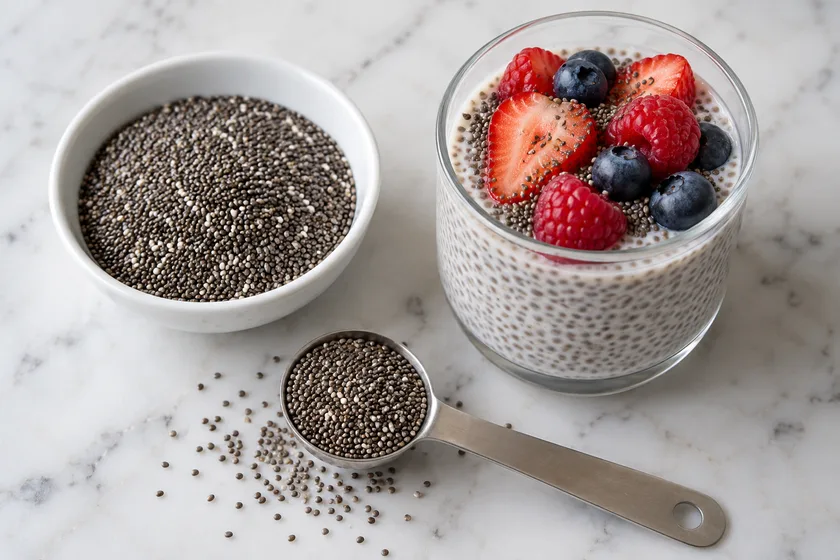
Benefits of Chia Seeds
-
High in fiber, helping digestion and preventing constipation
-
Keeps you full longer, supporting healthy weight management
-
Provides plant-based protein for muscle repair and strength
-
Contains calcium and magnesium to support strong bones
-
Helps regulate blood sugar due to slow-digesting fiber
-
Easy to add to smoothies, yogurt, oatmeal, and chia pudding
-
Offers antioxidants that reduce inflammation and protect cells
-
Counts toward fluids when soaked in water or milk
Drawbacks of Chia Seeds
-
Dry seeds may pose a choking risk because they expand quickly
-
May cause stomach discomfort if not eaten with enough water
-
High fiber may be too intense for people with sensitive digestion
-
Extra calories can add up if eaten in large quantities
-
Rare seed allergies may cause reactions in sensitive individuals
-
May add to the effect of blood pressure or blood-thinning medicines in large amounts, so ask your doctor if you take them
Who Should Be Careful With Chia Seeds
Chia seeds are safe for most people in normal food amounts, but take extra care if you:
- Have trouble swallowing or a history of a narrowed esophagus. Always eat chia soaked, never dry.
- Have inflammatory bowel disease, IBS or a recent bowel surgery, since a sudden fiber increase can worsen symptoms.
- Take blood thinners, blood pressure medicine or diabetes medicine. Normal food amounts are usually fine, but tell your doctor if you plan to eat a lot.
- Are allergic to sesame or mustard seeds, as some people react to more than one seed.
- Are giving chia to young children. Soak seeds well and serve small amounts to lower the choking risk.
When to See a Doctor
See a doctor if you have ongoing bloating, belly pain, diarrhea or constipation after adding chia, or if changing your diet does not settle the symptoms within a week or two. Also see your doctor before eating large amounts of chia if you take medicine for diabetes, blood pressure or blood clots.
Call 911 (or your local emergency number) if you have trouble breathing, swelling of the lips, tongue or throat, or hives after eating chia, since these can be signs of a serious allergic reaction. Get emergency help too if food feels stuck in your throat or chest and you cannot swallow your saliva.
Conclusion
Chia seeds may be small, but they pack fiber, plant omega-3s, minerals and some protein into a single spoonful. They can support digestion, fullness, heart health and steadier blood sugar as part of a balanced diet, though they are not a miracle food and the research on many claims is still limited.
Whether you enjoy chia seed pudding, chia water, smoothies, or yogurt bowls, these seeds fit easily into almost any eating style. Start with 1 to 2 tablespoons a day, always soak them or mix them into moist food, and drink plenty of fluids. For more fiber ideas, see our guide to high fiber breakfast foods and how to relieve constipation.
Sources
- Chia Seeds, Dried: Nutrient Data (USDA FoodData Central)
- Dietary Guidelines for Americans, 2025 to 2030 (USDA and HHS)
- Omega-3 Fatty Acids Fact Sheet for Health Professionals (NIH Office of Dietary Supplements)
- Chia Seeds (Cleveland Clinic)
- Watch It Grow: Esophageal Impaction With Chia Seeds (Rawl, ACG 2014 meeting abstract, later published in Case Reports in Internal Medicine, 2017)
FAQ
1. How much chia seeds per day is safe?
Most people do well with 1 to 2 tablespoons per day. This provides enough fiber and nutrients without causing digestive discomfort. If you’re new to chia, start with smaller amounts and increase gradually while drinking enough water to avoid bloating.
2. What are the benefits of chia seeds daily?
Daily chia adds fiber, plant omega-3s, minerals and some protein to your diet. These nutrients may support digestion, fullness, heart health and steadier blood sugar as part of a balanced diet.
3. Is chia seed pudding healthy?
Yes, chia seed pudding is a nutritious option when made with wholesome ingredients like milk, yogurt, fruits, or nuts. It offers steady energy, improves digestion, and keeps you full for hours. It’s also a great breakfast for people trying to balance blood sugar.
4. Do chia seeds help you lose weight?
Chia may help you feel full because of its fiber, but studies show little or no direct effect on weight. It works best as part of balanced meals and regular activity, and the calories still count.
5. Is chia seed water good for you?
Chia water is a simple way to add fiber and fluid. Soak 1 tablespoon in at least 1 cup of water until it forms a gel. It is not proven to boost hydration more than plain water.
6. What is a chia seed and how is it healthy?
A chia seed is a tiny edible seed from the Salvia hispanica plant. It is rich in fiber, plant omega-3 fat, minerals and antioxidants, which make it a nutritious addition to a balanced diet.
About the author

Health Researcher and Writer
Haider Nadeem is a health researcher and the writer behind Healthy Eats Guide. He writes about health problems he faces or sees people around him face, and turns careful research into practical guides. Articles are researched and drafted with AI assistance, then fact-checked and edited by Haider using cited sources such as USDA, NIH, and peer-reviewed research.
Related blogs
Ground Beef Nutrition 85/15: Calories, Protein, Fat
Ground beef nutrition for 85/15, 80/20, 90/10 and 95/5 blends: calories, protein, fat, iron, zinc and B12 per serving, plus safe cooking tips and healthier ways to use it.
11 min read
Daily Sugar Intake: 8 Ways to Stay Within Healthy Limits
How much sugar per day is healthy? WHO, US Dietary Guidelines and AHA daily sugar intake limits for women, men and children, plus 8 simple ways to cut added sugar.
12 min read
Potatoes Nutrition Facts: 10 Proven Health Benefits of Skins
Potato nutrition facts: calories, carbs, potassium and vitamin C in a medium potato, what the skin adds, glycemic index by cooking method, and healthier ways to eat them.
12 min read
Newsletter
Get practical nutrition guides in your inbox
Clear food-by-food advice and diet tips for everyday eating — no spam, unsubscribe anytime.