
Potatoes Nutrition Facts: 10 Proven Health Benefits of Skins
Potato nutrition facts: calories, carbs, potassium and vitamin C in a medium potato, what the skin adds, glycemic index by cooking method, and healthier ways to eat them.
Introduction

French fries or creamy mashed potatoes are likely the first things that come to mind when you think of potatoes. In addition to being one of the world's most adaptable foods, potatoes are nutrient-dense yet often overlooked. In reality, a medium-sized potato offers vital vitamins, minerals, and fiber, and a medium baked potato can contain more potassium than a medium banana. Here are some key potatoes nutrition facts that highlight their health benefits.
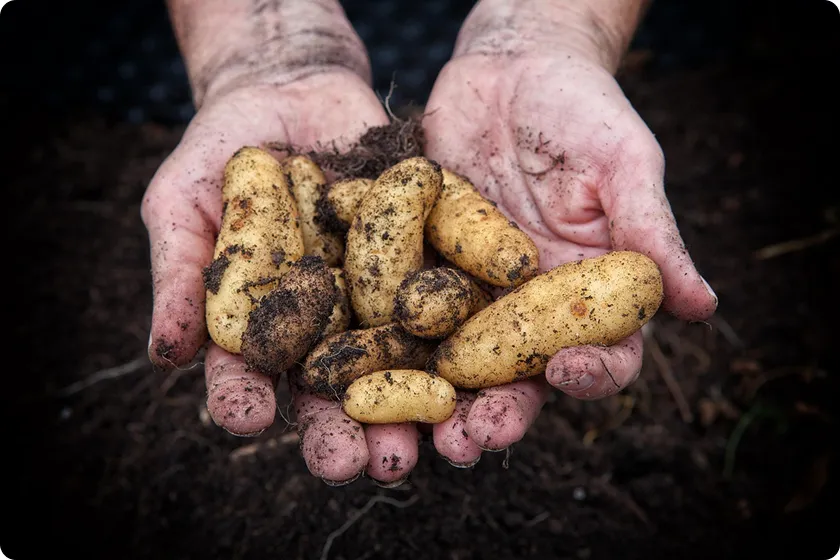
Knowing the nutrition facts about potatoes can help you make better dietary decisions, whether your objective is blood sugar control, heart health support, or weight management. Everything you need to know is covered in this article in a way that is evidence-based and health-focused, from calories to the advantages of potato skins.
Calories in Potatoes: What You Need to Know
Despite being classified as a starchy vegetable, potatoes have fewer calories than most people realize. The cooking method determines how many calories you consume.
How Many Calories in a Medium Potato?
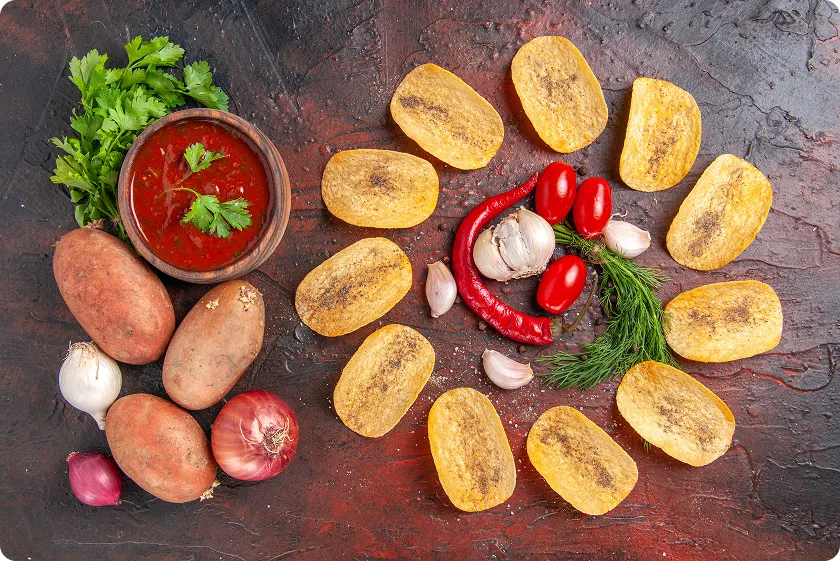
A raw skin-on potato weighing about 150 grams (5.3 ounces) contains roughly 110 to 120 calories, while a 150-gram baked potato with skin has about 140 calories. A 150-gram raw potato also supplies around 26 grams of carbohydrate, mostly as starch, together with roughly 3 grams of protein and 2 grams of fiber. Values vary by variety and preparation.
Baked Potato Nutrition vs. Boiled Potato Nutrition
Calorie density is altered by cooking techniques.
- Nutrition facts for baked potatoes: about 93 calories per 100 grams with the skin, or about 138 calories and 3.3 grams of fiber in a 148-gram serving.
- Nutrition facts for boiled potatoes: each 100 grams has about 87 calories and almost no fat (0.1 grams) until butter, oil, or toppings are added.
- Nutritional value of fried potatoes: often far more calories than boiled or baked, depending on portion size, cooking method, and how much oil is absorbed.
Calorie Comparison (approximate, per 150-gram serving with skin)
| Cooking Method | Calories | Carbs (g) | Protein (g) | Fiber (g) |
|---|---|---|---|---|
| Boiled | About 130 | About 30 | 3 | About 3 |
| Baked | About 140 | About 32 | About 4 | About 3 |
| Fried | Varies with oil, often 300+ | Varies | Varies | Varies |
Do Potatoes Have Protein and Fiber?
Despite not being a high-protein food, potatoes provide modest amounts of fiber that supports digestive health, and about 2 grams of protein per 100 grams when boiled. Eating the skin adds fiber. Additionally, potatoes contain resistant starch, which functions similarly to fiber and promotes blood sugar regulation and digestive health.
Nutrient Highlights of a Medium Raw Potato (about 150 grams, with skin):
- 110 calories
- 26g carbs (complex carbohydrates)
- 3g protein
- 2g fiber
- About 600mg potassium (varies with size, variety, and cooking)
Tips to Lower Potato Calories:
- Instead of frying, try boiling or baking.
- To get more fiber and nutrients, leave the skin on.
- Use herbs rather than a lot of cheese or butter.
Potatoes and Weight Loss: Friend or Foe?
Although potatoes are frequently referred to as "fattening," if prepared properly, they can actually aid in weight loss.

Are Potatoes Good for Weight Loss?
They can be. In a 1995 satiety index study of 38 foods, equal-calorie portions of boiled potatoes scored highest, at about 323% of the white bread reference, ahead of rice and pasta. This reflects short-term fullness under study conditions. Their water, fiber and starch content help you feel full for relatively few calories.
Best Ways to Eat Potatoes for Weight Control
The most important thing is to cook healthily. Select steaming, baking, or boiling. Steer clear of frying potatoes or stuffing them with cheese and butter. For well-balanced meals, combine them with vegetables and lean protein.
Benefits of Potatoes in Weight Management:
- low density of calories per serving
- high satiety value
- Fiber and resistant starch from a natural source
Are Potatoes Healthier Than Rice for Weight Loss?
In terms of potassium content and satiety, potatoes typically outperform rice.
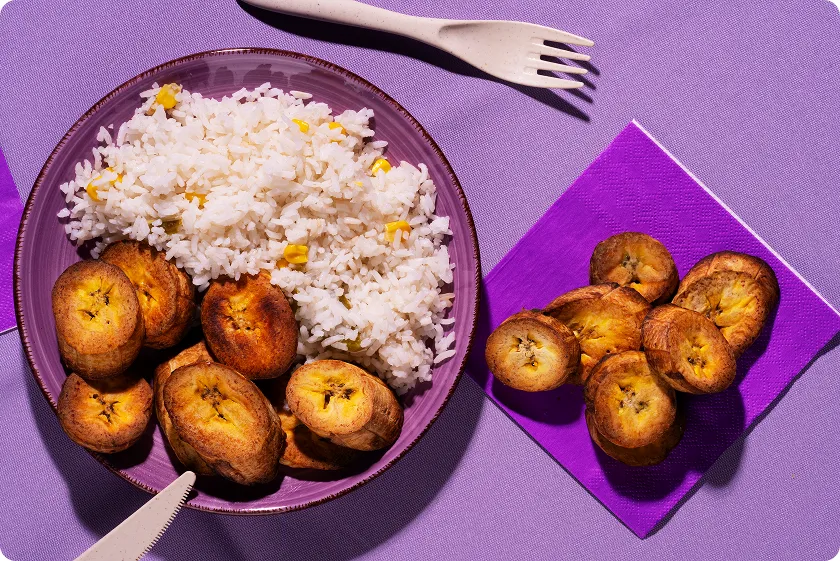
Potato vs. Rice Nutrition (per 100g serving)
| Food | Calories | Carbs (g) | Protein (g) | Fiber (g) | Potassium (mg) |
|---|---|---|---|---|---|
| Potato | 77 | 17 | 2 | 2 | 425 |
| White Rice | 130 | 28 | 2 | 0.5 | 35 |
Portion Control Tips:
- Limit each meal to one medium potato.
- Combine with foods high in protein.
- Half of your plate should be made up of non-starchy vegetables.
Potato Skin Nutrition, Why You Shouldn’t Peel It
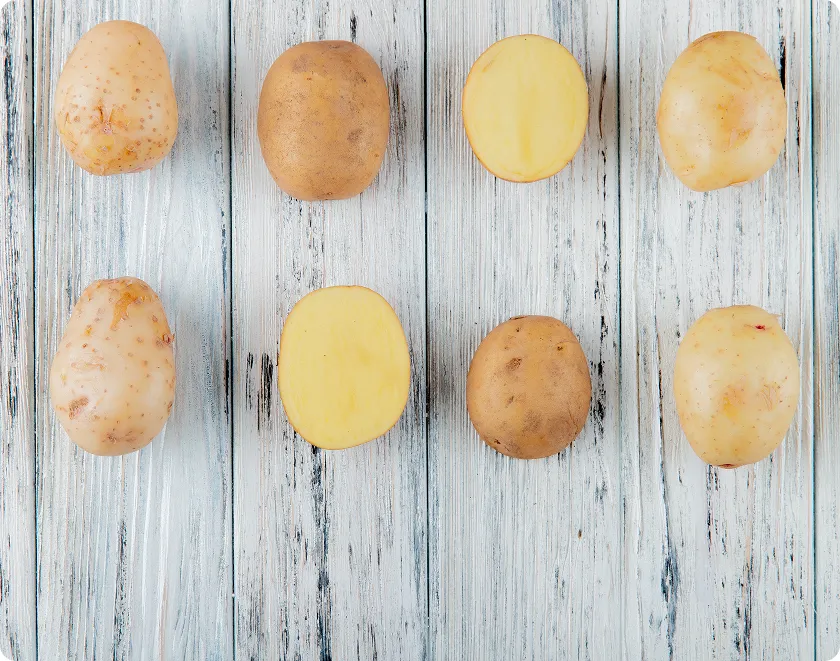
The skin of a potato holds a good share of its fiber and some of its minerals and antioxidants, although much of the potassium and vitamin C is in the flesh too. Peeling it means losing some of these nutrients.
Does Potato Skin Have Nutrients?
Yes, fiber, potassium, vitamin C, iron, and folate are all found in potato skins. The extra fiber in the skin can make a meal a little more filling.
Antioxidants and Plant-Based Benefits
Antioxidants and polyphenols found in potato skins combat oxidative stress and promote long-term health. A plant-based diet high in foods high in vitamin C and folate is also supported by the skin.
Potato Skins and Weight Loss Benefits
The fiber in potato skins may help with appetite control as part of a balanced diet, but the skin alone will not cause weight loss.
Peeled vs. Unpeeled Potato Nutrition
| Nutrient | Peeled Potato | Potato with Skin |
|---|---|---|
| Fiber | 1.5g | 2.5g |
| Potassium | 515mg | 620mg |
| Vitamin C | 12mg | 14mg |
Top Nutrients in Skins:
- Fiber
- Vitamin C
- Potassium
- Antioxidants
Easy Ways to Eat Skins:
- Roast potatoes with skin on.
- Add skin-on slices to soups.
- Try baked potato wedges.
Potatoes and Heart Health
You can protect your cardiovascular system by eating potatoes.
Are Potatoes Good for Your Heart?
Plain potatoes can fit a heart-healthy diet. Potassium offsets some of the effect sodium has on blood pressure, and the fiber is good for the heart.
Is Potato Good for High Blood Pressure?
Plain potatoes can help. One of the best foods high in potassium is a medium potato, which can provide roughly 600 mg of potassium, depending on its size, variety, and cooking method. Potassium helps your kidneys flush out extra sodium and lets blood vessel walls relax, both of which can bring blood pressure down.
Are Potatoes Good for Cholesterol Control?
Potatoes themselves contain no cholesterol. Their fiber content may help modestly lower LDL cholesterol as part of a fiber-rich diet.
Heart-Healthy Potato Nutrients:
- Potassium
- Fiber
- Vitamin C
- Magnesium
Potato Nutrients and Heart Health:
| Nutrient | Role in Heart Health |
|---|---|
| Potassium | Regulates blood pressure |
| Fiber | Lowers cholesterol |
| Vitamin C | Protects arteries |
| Magnesium | Supports normal rhythm |
Heart-Friendly Cooking Methods:
- Rather than frying, bake or boil.
- Instead of using butter, use olive oil.
- Instead of salt, add herbs.
Potatoes and Blood Sugar: Safe for Diabetics?
People with diabetes tend to avoid potatoes, but how they are prepared matters a lot.
Are Potatoes Good for Diabetics?
In moderate portions, they can fit. Potatoes usually have a high glycemic index, but cooking and then cooling them increases resistant starch, which can lower the blood sugar response somewhat.
Low-Glycemic-Index Potato Preparations
- Potatoes are boiled and cooled.
- Combining fiber and protein
- Consuming food while keeping the skin on
Glycemic Index of Potatoes
| Preparation | GI Value |
|---|---|
| Boiled, cooled | About 56 (varies) |
| Baked | Often 85 or higher |
| Fried | About 63 to 75 |
Best Ways for Diabetics to Eat Potatoes
Eat with skin, choose roasted or boiled potatoes, and limit portion sizes.

Tips to Lower Glycemic Impact:
- Consume lean protein.
- Steer clear of deep-frying.
- To increase resistant starch, refrigerate and reheat.
Steps for Diabetes-Friendly Cooking:
- Before eating, boil the potatoes and allow them to cool.
- Serve with vegetables that are high in fiber.
- Keep portions moderate, such as half to one medium potato, and follow the carbohydrate plan from your care team.
Key Vitamins and Minerals in Potatoes
Potatoes contain a wealth of nutrients along with calories and carbohydrates.
How Much Potassium is in a Potato?
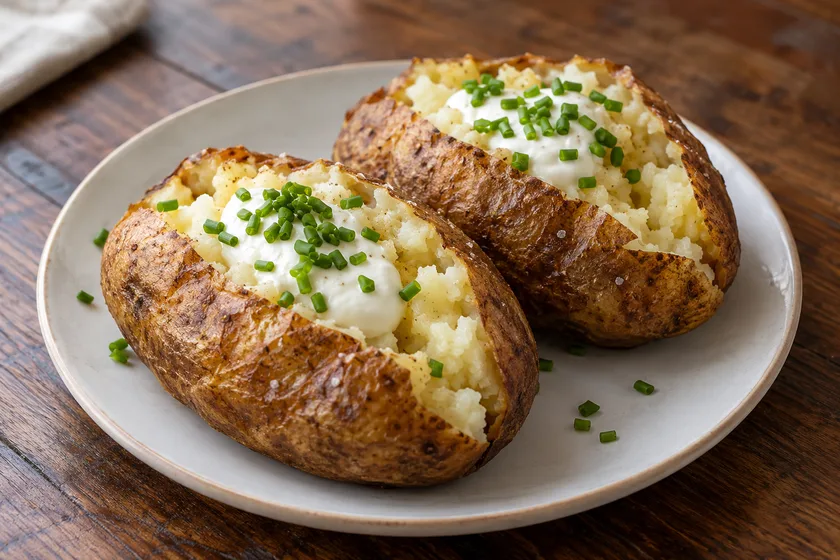
A medium baked potato can provide more potassium than a medium banana, about 610 mg versus 422 mg in NIH Office of Dietary Supplements reference values. Potassium supports normal heart and muscle function.
Vitamin C, Folate, and Magnesium in Diet
- Immunity is increased by vitamin C.
- Folate promotes the growth of cells.
- Magnesium affects how muscles and nerves work.
Resistant Starch and Gut Health
Potatoes produce resistant starch when cooked and cooled, which aids in digestion and the growth of beneficial gut flora.
Nutrient Content per 100g Potato
| Nutrient | Amount | % Daily Value |
|---|---|---|
| Vitamin C | 19.7mg | 22% |
| Potassium | 425mg | 9% |
| Folate | 16mcg | 4% |
| Magnesium | 23mg | 5% |
Top 5 Nutrients in Potatoes:
- Potassium
- Vitamin C
- Vitamin B6
- Dietary fiber
- Carbohydrates (mainly starch)
Benefits of Each Nutrient:
- Potassium supports normal heart and muscle function and helps balance the effects of sodium.
- Vitamin C supports immunity and wound healing.
- Vitamin B6 helps the body use protein and supports nerve function.
- Dietary fiber supports digestive health.
- Carbohydrates, mostly starch, provide energy.
When to See a Doctor
Talk to your doctor or a registered dietitian if you have diabetes and your blood sugar often runs high after starchy meals, or if you have chronic kidney disease, because potatoes are high in potassium and you may need to limit them. See a doctor for symptoms of high blood sugar such as strong thirst, frequent urination or unexplained weight loss.
Never eat potatoes that are green or have long sprouts in large amounts, since they can contain solanine. Call 911 (or your local emergency number) if someone has severe vomiting, confusion, an irregular heartbeat or trouble breathing after eating, or signs of a severe allergic reaction.
Conclusion
A nutrient-dense powerhouse, potatoes are more than just a comfort food. The nutritional facts about potatoes show how beneficial they are, from helping with weight management to enhancing digestion and heart health. Additional advantages are provided by the skin, which offers vital vitamins, fiber, and antioxidants.
A balanced diet that promotes long-term wellness can include potatoes when they are cooked in healthful ways, such as boiling, baking, or roasting them with the skin on. Therefore, the next time you eat potatoes, preserve their skin, forego the deep fryer, and enjoy their inherent health advantages.
If you found this guide helpful, pass it on to your friends. Seek guidance from a licensed dietitian or a healthcare provider for tailored recommendations.
Sources
- FoodData Central (USDA)
- A Satiety Index of Common Foods (Holt et al., 1995)
- Glycemic Index for 60+ Foods (Harvard Health Publishing)
- Potassium Fact Sheet for Health Professionals (NIH Office of Dietary Supplements)
- How Potassium Can Help Control High Blood Pressure (American Heart Association)
FAQ
1. Are potatoes healthier than rice?
Per 100 grams, plain potatoes generally have fewer calories and more potassium and fiber than white rice, which can make them more filling. Both can fit a healthy diet.
2. Are potatoes good for weight loss?
They can help. Boiled potatoes score high on the satiety index, which may help you feel fuller on fewer calories.
3. Do potatoes have protein?
Yes, about 3 grams per medium potato. While not high in protein, they contribute to a balanced plant-based diet.
4. Is potato good for high blood pressure?
Yes, rich in potassium, potatoes help regulate blood pressure when eaten without excess salt.
5. Are potatoes good for diabetics?
They can, when boiled or baked with the skin, eaten in moderate portions and paired with protein and vegetables.
6. Are potatoes good for cholesterol?
Yes, potatoes contain no cholesterol and their fiber supports healthy cholesterol levels.
About the author

Health Researcher and Writer
Haider Nadeem is a health researcher and the writer behind Healthy Eats Guide. He writes about health problems he faces or sees people around him face, and turns careful research into practical guides. Articles are researched and drafted with AI assistance, then fact-checked and edited by Haider using cited sources such as USDA, NIH, and peer-reviewed research.
Related blogs
Do Potatoes Cause Constipation? 5 Myths Debunk
Do potatoes cause constipation? Discover the truth and get expert tips for a constipation-friendly diet. Improve your gut health today!
15 min read
High Fiber Breakfast Foods: 10 Essential Choices for Health
Boost your health with high fiber breakfast foods! Discover 10 essential choices that improve digestion and energy. Start your day right—try them now!
15 min read

10 High Fiber Dinner Ideas for a Healthier Family
High fiber dinner ideas the whole family will enjoy: 10 easy recipes with beans, lentils and whole grains, simple food swaps and daily fiber targets for kids and adults.
11 min read
Newsletter
Get practical nutrition guides in your inbox
Clear food-by-food advice and diet tips for everyday eating — no spam, unsubscribe anytime.