
Ground Beef Nutrition 85/15: Calories, Protein, Fat
Ground beef nutrition for 85/15, 80/20, 90/10 and 95/5 blends: calories, protein, fat, iron, zinc and B12 per serving, plus safe cooking tips and healthier ways to use it.
Introduction

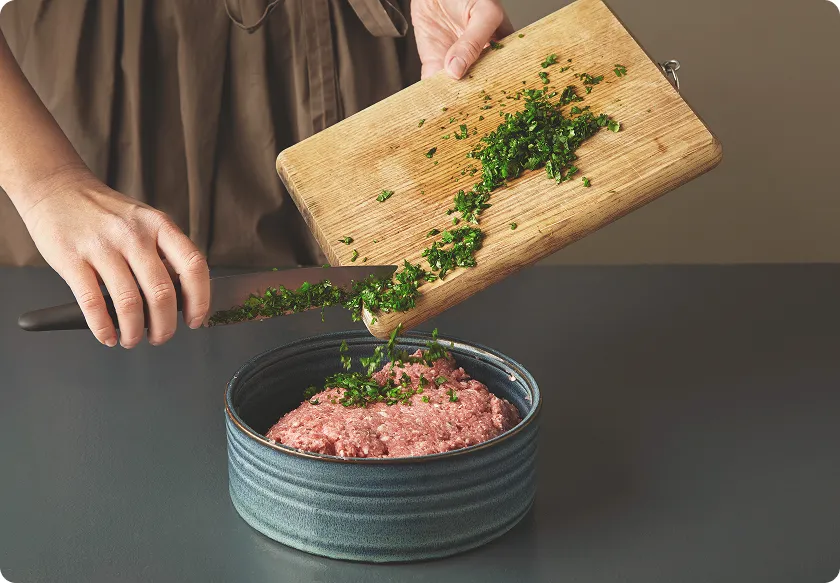
Ground beef is one of the most versatile and affordable protein sources in many kitchens, and understanding ground beef nutrition can help you make healthier choices when preparing burgers, tacos, meatballs, or pasta sauce without sacrificing flavor.
The “85/15” label means the ground beef is about 85% lean meat and 15% fat by weight. This balance gives it a rich taste while still offering a strong source of protein, iron, zinc, and essential vitamins. Compared with 95% lean ground beef, 85/15 ground beef generally has more fat and calories per equal raw weight and may cook up juicier, depending on cooking method and doneness.
In this guide, you will learn everything you need to know about 85/15 ground beef nutrition, including calories, protein, fat content, serving sizes, and comparisons with other popular blends like 80/20 and 90/10 ground beef.
What Does 85/15 Ground Beef Mean?
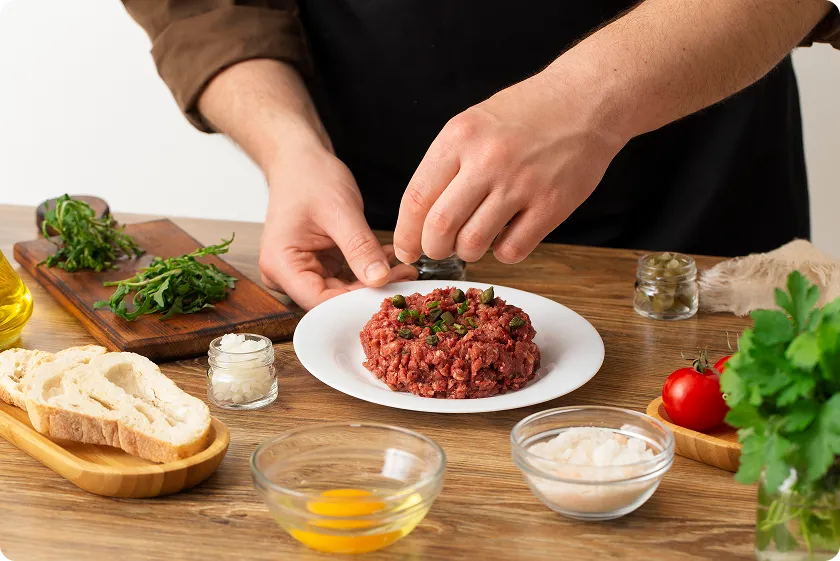
The numbers on ground beef labels refer to the lean-to-fat ratio.
- 85% lean meat
- 15% fat
This ratio affects:
- Calories
- Protein levels
- Fat content
- Texture and flavor
An 85/15 blend is a middle-ground option based on its lean-to-fat ratio. With less fat than 80/20 ground beef and more fat than 90/10 or 95 lean ground beef, it offers a balance of fat content and potential juiciness. Fat contributes to flavor and juiciness, so many people find 85/15 a practical choice for burgers and meatloaf.
Ground Beef Nutrition 85/15 Breakdown
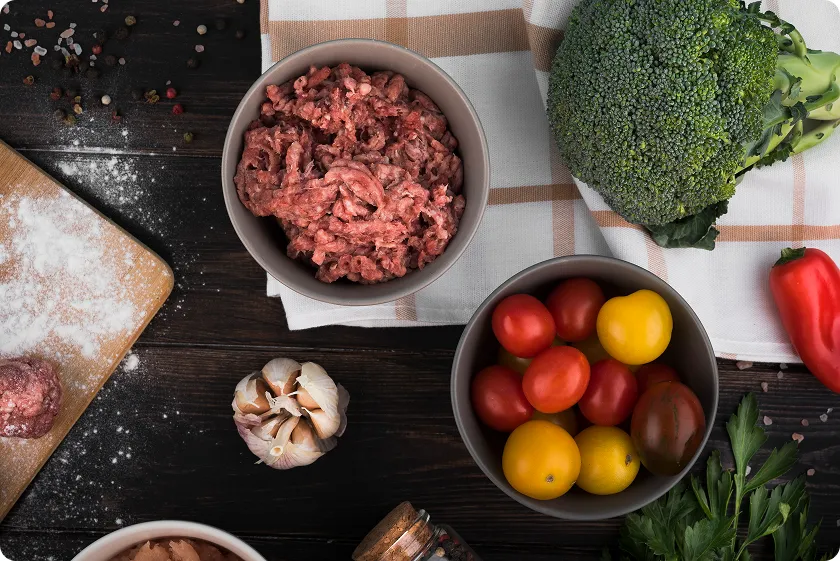
A 4-ounce raw portion (4 oz of hamburger meat) is a useful reference for calculating ground beef nutrition. Dietary guidance often describes a typical meat portion as about 3 ounces cooked, although serving advice varies. Unless stated otherwise, figures in this guide are approximate, based on USDA FoodData Central entries for raw ground beef of the matching lean-to-fat ratio, and actual values vary by product. Four ounces raw may yield roughly 3 ounces cooked, but the final weight depends on fat content and cooking method, so match raw or cooked nutrition data to the portion you measure.
Average Nutrition for 4 oz of Raw 85/15 Ground Beef
Based on USDA data for raw 85/15 ground beef, a 4-ounce raw serving provides about 240 calories, 21 grams of protein, and 17 grams of total fat. Cooked values differ with cooking losses and whether rendered fat is drained. Ground beef contains no carbohydrates naturally, making it popular in low-carb and keto diets.
| Nutrient | Amount |
|---|---|
| Calories | About 240 |
| Protein | 21 g |
| Total Fat | 17 g |
| Saturated Fat | 7 g |
| Carbohydrates | 0 g |
| Iron | About 13% DV |
| Zinc | About 45% DV |
| Vitamin B12 | 100% DV |
Calories in 85/15 Ground Beef
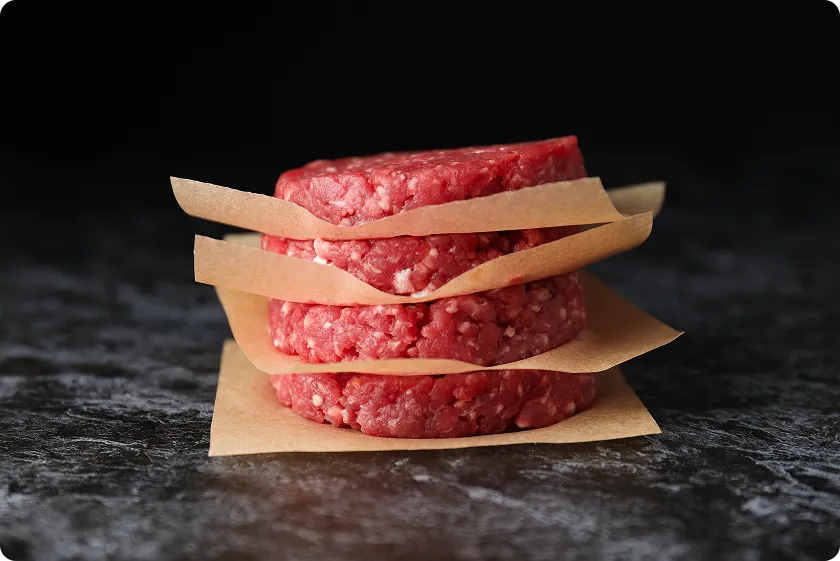
Many people compare different beef blends based on calories.
1. 85/15 Ground Beef Calories
A 4-ounce raw serving (about 3 ounces once cooked) generally contains:
- about 240 calories
- Around 60 to 65% of calories from fat
- Around 35 to 40% from protein
Cooking methods matter. Draining grease after cooking can slightly reduce calorie and fat intake.
2. Comparison With Other Lean Ratios
a) 80/20 Ground Beef Calories
80/20 ground beef has higher calories because it contains more fat. Typical values for 4 oz raw:
- 285 calories
- 19 to 23 g fat
- 19 g protein
This ratio is commonly used for juicy restaurant-style burgers.
b) Calories in 90/10 Ground Beef
The calories in 90/10 ground beef are lower because it has less fat. Typical values for 4 oz raw:
- 200 calories
- 11 g fat
- 23 g protein
This is a common choice for meal prep and weight-loss diets.
c) 95 Lean Ground Beef
95 lean ground beef is one of the leanest options available. Typical values for 4 oz raw:
- about 155 calories
- 5 to 6 g fat
- 24 g protein
However, it can dry out more easily during cooking.
Protein and Fat Content
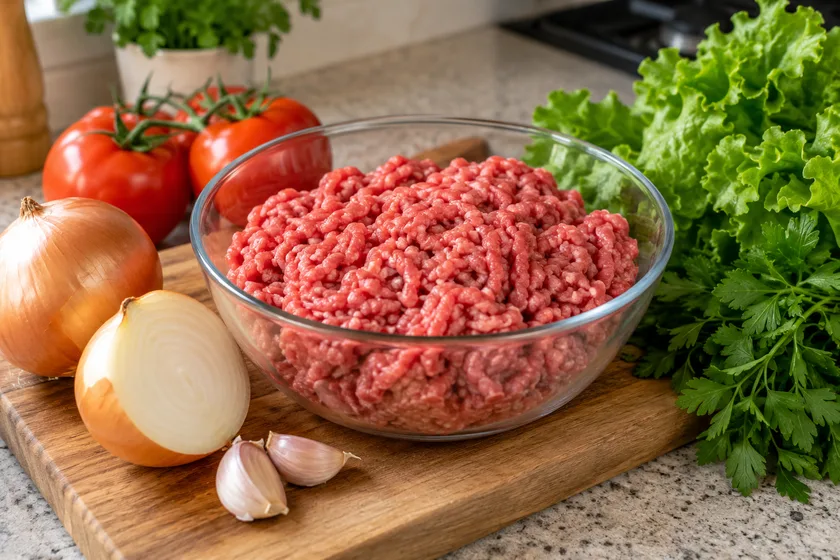
Protein is one of the biggest nutritional benefits of ground beef.
1. Protein in 85/15 Ground Beef
A 4-ounce serving contains about:
- 21 grams of protein
Protein supports:
- Muscle growth
- Tissue repair
- Hormone production
- Immune health
For larger servings, protein adds up quickly.
2. Protein in 1 lb Ground Beef 90/10
People often ask about the protein content of 1 lb of 90/10 ground beef. One pound typically contains:
- Around 88 to 92 grams of protein
This makes ground beef a practical option for athletes and high-protein meal plans.
3. Fat Content
Fat contributes to flavor and texture. A 4-ounce raw serving of 85/15 ground beef contains:
- Around 17 grams of total fat
- About 6 to 7 grams of saturated fat
Moderation is important, especially for people monitoring heart health.
Comparing 85/15 to Other Ground Beef Ratios
| Type | Calories | Protein | Fat | Best Uses |
|---|---|---|---|---|
| 80/20 | Highest | Moderate | Highest | Burgers |
| 85/15 | Balanced | High | Moderate | Meatloaf, tacos, burgers |
| 90/10 | Lower | High | Lower | Meal prep |
| 95 lean ground beef | Lowest | Highest | Lowest | Diet-focused meals |
Health Benefits of Ground Beef
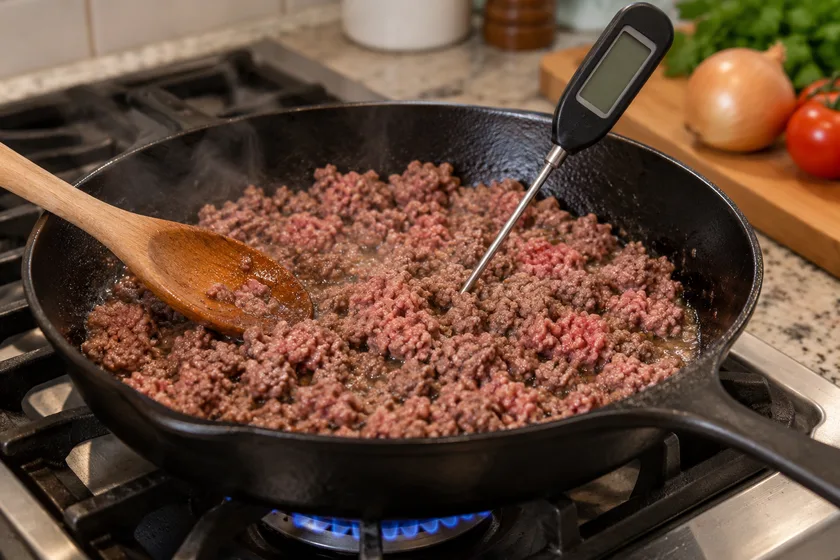
Ground beef offers several nutritional advantages when consumed in moderation.
1. Rich in High-Quality Protein
Beef contains all essential amino acids, making it a complete protein source.
2. Excellent Source of Iron
Ground beef provides heme iron, a form your body takes up more easily than the iron found in plants. Iron helps:
- Prevent fatigue
- Support oxygen transport
- Improve energy levels
3. High in Vitamin B12
Vitamin B12 supports:
- Brain health
- Nerve function
- Red blood cell production
4. Contains Zinc
Zinc is important for:
- Immune support
- Wound healing
- Healthy skin
Potential Downsides to Consider
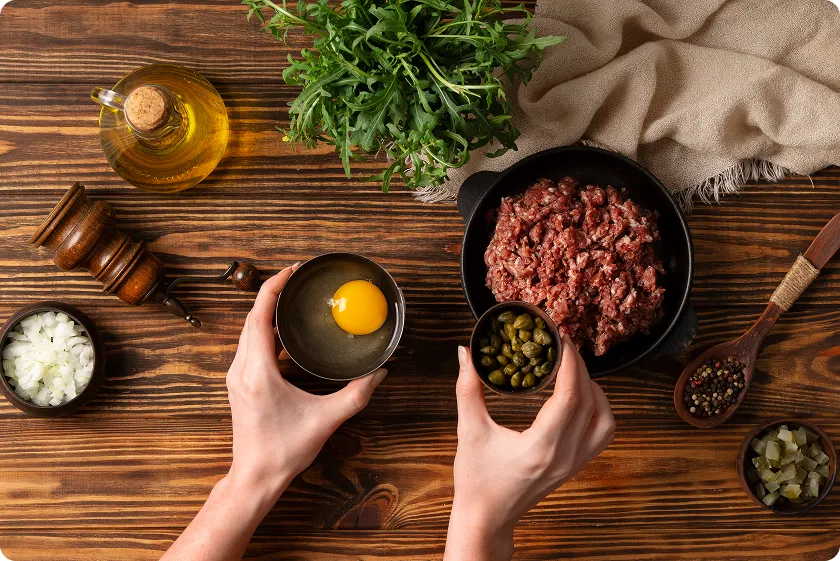
While nutritious, 85/15 ground beef should still be consumed thoughtfully.
1. Higher Saturated Fat
Too much saturated fat may contribute to the following. The American Heart Association suggests keeping saturated fat to less than 6% of daily calories for people who need to lower LDL cholesterol.
- Elevated cholesterol
- Heart disease risk
Pairing ground beef with vegetables and whole grains can create a more balanced meal.
2. Calorie Density
Portion control matters because calories add up quickly in fattier cuts.
3. Sodium in Processed Beef Products
Pre-seasoned patties and frozen beef products may contain added sodium. Always check nutrition labels. Processed meats such as sausages and salami are also different from plain ground beef and are best kept occasional.
Best Ways to Cook 85/15 Ground Beef
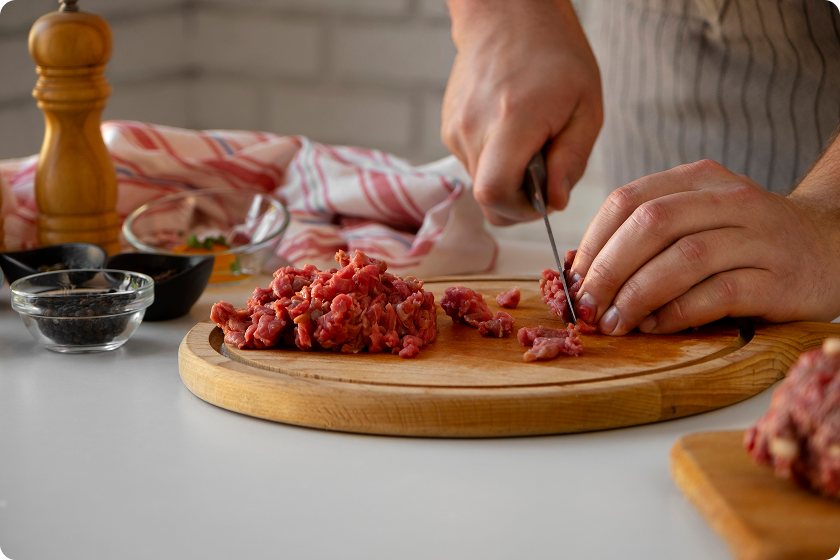
Cooking method affects nutrition and flavor.
1. Healthier Cooking Tips
- Drain excess grease after browning
- Use nonstick pans instead of extra oil
- Add vegetables for fiber and volume
- Avoid excessive charring
2. Best Recipes for 85/15 Beef
This blend works well for:
- Burgers
- Chili
- Tacos
- Stuffed peppers
- Pasta sauces
- Meatballs
Because of its moderate fat content, it stays moist without becoming greasy.
Nutrition Table by Serving Size
| Serving Size | Calories | Protein | Fat |
|---|---|---|---|
| 3 oz | 180 | 16 g | 13 g |
| 4 oz hamburger meat (raw) | About 240 | 21 g | 17 g |
| 6 oz | 360 | 31 g | 25 g |
| 8 oz | 480 to 500 | 42 g | 34 g |
How to Cook Ground Beef Safely
Grinding spreads any bacteria on the surface of the meat all the way through it, so ground beef needs more thorough cooking than a steak. The USDA Food Safety and Inspection Service advises:
- Cook to 160°F (71°C): use a food thermometer in the thickest part of a patty or meatball. Color alone is not a reliable sign that beef is done.
- Keep it cold: refrigerate raw ground beef at 40°F (4°C) or below and use it within 1 to 2 days, or freeze it.
- Thaw safely: thaw in the fridge, in cold water, or in the microwave, never on the counter.
- Avoid cross-contamination: wash hands, boards, and utensils with hot, soapy water after touching raw meat.
- Store leftovers quickly: refrigerate cooked beef within 2 hours and eat it within 3 to 4 days.
How Much Red Meat Is Reasonable?
Unprocessed red meat can fit a healthy diet in moderate amounts. Many health groups, including the World Cancer Research Fund, suggest eating no more than about three portions of red meat a week, or roughly 12 to 18 ounces cooked, and eating little, if any, processed meat. Rotating beef with poultry, fish, beans and lentils keeps your protein varied and lowers your saturated fat intake.
When to See a Doctor
Undercooked ground beef can carry E. coli O157:H7 and other bacteria. See a doctor if you have diarrhea that lasts more than 3 days, a fever above 102°F (38.9°C), bloody stools, or signs of dehydration such as very little urine. Young children, older adults, pregnant people and anyone with a weakened immune system should get checked sooner.
Call 911 (or your local emergency number) if someone has severe dehydration, confusion, very little or no urine with unusual paleness or swelling (possible signs of a serious kidney complication), or trouble breathing after eating beef. A rare tick-related condition called alpha-gal syndrome can also cause delayed allergic reactions to red meat, so mention hives or swelling a few hours after meals to your doctor.
Conclusion
Understanding ground beef nutrition helps you choose the right blend for your health goals and favorite recipes. The 85/15 ratio offers a strong balance of flavor, protein, and moderate fat, making it one of the most popular options for everyday cooking.
If you want fewer calories, leaner varieties like 95 lean ground beef or 90/10 may work better. If flavor and juiciness matter most, 85/15 remains an excellent middle-ground choice.
Sources
- FoodData Central (USDA)
- Ground Beef and Food Safety (USDA Food Safety and Inspection Service)
- Saturated Fat (American Heart Association)
- Limit Red and Processed Meat (World Cancer Research Fund)
- E. coli Symptoms (CDC)
FAQ
1. Is 85/15 ground beef healthy?
Yes, 85/15 ground beef can be part of a healthy diet when eaten in moderation. It provides protein, iron, zinc, and vitamin B12.
2. Which is healthier: 85/15 or 90/10 ground beef?
90/10 ground beef is leaner and lower in calories and saturated fat. However, 85/15 often has better flavor and texture.
3. How many beef patty calories are in a burger?
A plain beef patty made from 85/15 ground beef usually contains about 210 to 300 calories, depending on its size. Toppings and buns add more calories.
4. Is 95 lean ground beef better for weight loss?
It can help, because 95 lean ground beef contains less fat and fewer calories per serving. Weight loss still depends on your overall diet, portions, and activity.
5. Does cooking reduce fat in ground beef?
Yes. Draining or blotting the grease after browning can lower the total fat and calorie content somewhat, though the exact amount varies.
6. How much protein is in ground beef?
A standard 4-oz serving of 85/15 ground beef contains about 21 grams of protein.
About the author

Health Researcher and Writer
Haider Nadeem is a health researcher and the writer behind Healthy Eats Guide. He writes about health problems he faces or sees people around him face, and turns careful research into practical guides. Articles are researched and drafted with AI assistance, then fact-checked and edited by Haider using cited sources such as USDA, NIH, and peer-reviewed research.
Related blogs

Diet Plan for a Sports Person: 8 Protein Sources
A diet plan for a sports person: 8 protein sources for athletes, smart carb choices, pre-workout snacks, a sample day of meals and how much protein you really need.
11 min read

What Is My Maintenance Calories? 7 Tips to Calculate It
What is my maintenance calories and how to calculate it using a calorie counter for weight loss. Learn accurate methods and start reaching your goals today.
13 min read
High Protein Meals: 10 Essential Ideas for Every Dinner
Ten high protein dinner ideas with ingredients and steps, a protein food table, how much protein you really need, and a realistic plan for very high daily targets.
17 min read
Newsletter
Get practical nutrition guides in your inbox
Clear food-by-food advice and diet tips for everyday eating — no spam, unsubscribe anytime.