
High Protein Meals: 10 Essential Ideas for Every Dinner
Ten high protein dinner ideas with ingredients and steps, a protein food table, how much protein you really need, and a realistic plan for very high daily targets.
Introduction

Consuming meals high in protein is the cornerstone of good health, not just a fad. Protein is essential for tissue repair, muscular growth, immune maintenance, and fullness in between meals. However, many individuals find it difficult to prepare tasty, nutrient-dense, and high-protein meals.
Perhaps you’ve tried reaching your daily protein goals but find yourself stuck in a loop of repetitive chicken and eggs. Or maybe you’re curious about healthy high-protein meals that also taste good.
This guide features ten high-protein meal options, practical advice on estimating daily protein needs, and suggestions for combining plant-based and animal-based proteins while balancing calories, fats, and carbs. It also explains how to assess very high targets, such as 200 grams of protein per day, in the context of individual needs and activity levels. These concepts are supported by science and simple to put into practice, whether your objective is weight control, muscle building, or just feeling more energized.
By the time it's all over, you'll have the skills necessary to prepare tasty, adaptable, and entirely sustainable protein-rich meals for daily use.
Why High Protein Meals Are Essential for Health
One of the most important macronutrients is protein. In contrast to fats and carbs, the body uses protein directly for tissue repair, hormone and enzyme production, and immune system maintenance. Having enough protein during supper is especially advantageous as it aids:
-
Strength: Maintaining strength and preventing sarcopenia is especially crucial for elders or active folks.
-
Boost metabolism: Your body uses more energy to break down protein since it has a stronger thermic impact than fats or carbohydrates.
-
Encourage satiety: Eating a supper high in protein will help cut down on late-night eating and evening cravings.
-
Stabilize blood sugar: Protein slows digestion, preventing spikes and crashes that can affect energy and mood.
-
Support bone health: Adequate protein, along with enough calcium and vitamin D, is part of a diet that supports healthy bones.
The Recommended Dietary Allowance (RDA) for protein is 0.8 grams per kilogram of body weight per day for generally healthy adults aged 19 and older, although needs can differ with age, pregnancy, health status, and activity. The International Society of Sports Nutrition recommends about 1.4 to 2.0 grams per kilogram per day for most exercising people who want to build or maintain muscle, depending on training demands. Daily targets of 150 to 200 grams are not necessary for everyone and should not be set by body size or activity level alone. Work out a target from your body weight, activity, goals, and health, and talk to a registered dietitian or doctor before aiming for a much higher intake.
Advice: Spreading protein across your meals, rather than eating most of it at dinner, may help your body use it for muscle repair more effectively.
Top 10 High Protein Dinner Ideas
Below are 10 protein-rich dinner options, each with cooking guidance and nutrition notes based on the listed ingredients and serving sizes. Each of the 10 high protein dinner recipes below includes an ingredient list, step-by-step cooking instructions, and a practical tip. You do not need to mix plant and animal proteins at every meal.
1. Grilled Chicken with Quinoa and Veggies
This meal combines lean chicken breast with quinoa and colorful vegetables. Chicken provides a complete animal-based protein, while quinoa is a plant-based protein containing all nine essential amino acids. Vegetables add fiber, vitamins, and antioxidants.
Ingredients:
- Two boneless, skinless chicken breasts, each about 200 g raw (400 g raw in total)
- One cup of quinoa
- Two cups of mixed veggies, including bell peppers, carrots, and broccoli
- One tablespoon of olive oil
- Two minced garlic cloves
- One lemon's juice
- Salt and pepper to taste
- Optional: paprika, thyme, or rosemary
Cooking Steps:
-
Marinate the Chicken: Mix olive oil, minced garlic, lemon juice, and spices in a bowl. Coat the chicken breasts evenly and refrigerate them in the marinade for 30 to 60 minutes. Keep raw chicken in the fridge while it marinates, and discard used marinade unless you bring it to a full boil before using it as a sauce.
-
To prepare the quinoa, rinse it in cold water. For more taste, add two cups of water or low-sodium broth to a pot. After bringing it to a boil, lower the heat, cover, and simmer until the water is absorbed and the quinoa is tender, following the package directions for time and water ratio. Use a fork to fluff.
-
Prepare the Vegetables: Chop vegetables into bite-sized pieces. You can steam, roast, or stir-fry them lightly. Steaming preserves nutrients, while roasting adds natural sweetness.
-
Grill the Chicken: Set an outside grill or grill pan to medium heat. Grill the chicken, turning as needed, until a food thermometer pushed into the thickest part reads 165°F (74°C). Cooking time varies with thickness and grill heat, often around 6 to 7 minutes per side. Before chopping, turn off the heat and let it rest for five minutes.
-
Assemble the Plate: Place a serving of quinoa, top with sliced chicken, and arrange vegetables on the side. Drizzle with extra lemon juice if desired.
Nutritional Tip: You may slightly enhance the amount of protein and good fats without adding too many calories by sprinkling in some nuts or seeds.
2. Baked Salmon with Lentils
Salmon offers plenty of protein along with omega-3 fats that benefit the heart and brain. Lentils provide plant-based protein and fiber, making this meal balanced and satisfying.
Ingredients:
-
2 salmon fillets (~150g each)
-
1 cup lentils (green or brown)
-
1 tbsp olive oil
-
1 garlic clove, minced
-
1 tsp turmeric
-
Salt and pepper to taste
-
Fresh herbs: dill or parsley
-
Lemon wedges
Cooking Steps:
-
Lentils should be rinsed before being cooked in a pot with two cups of water, salt, and turmeric. Simmer until soft, 20 to 25 minutes. If needed, drain any extra water.
-
Add salt, pepper, herbs, garlic, and olive oil to the salmon fillets to season them. Top with slices of lemon.
-
To bake the salmon, preheat the oven to 375°F, or 190°C. Put the salmon on a parchment paper-lined baking tray. The salmon should flake easily after 15 to 20 minutes of baking.
-
Combine and Serve: Transfer lentils to a platter, top with salmon, and add fresh herbs and a squeeze of lemon as garnish.
Cooking Tip: Baking salmon preserves its natural moisture and delicate flavor, making it tender and flavorful without added fats.
3. Tofu Stir-Fry with Brown Rice
Vegetarians will love this plant-based, high-protein supper. Vegetables offer fiber and antioxidants, while tofu is high in calcium and protein. For energy, brown rice offers complex carbohydrates.
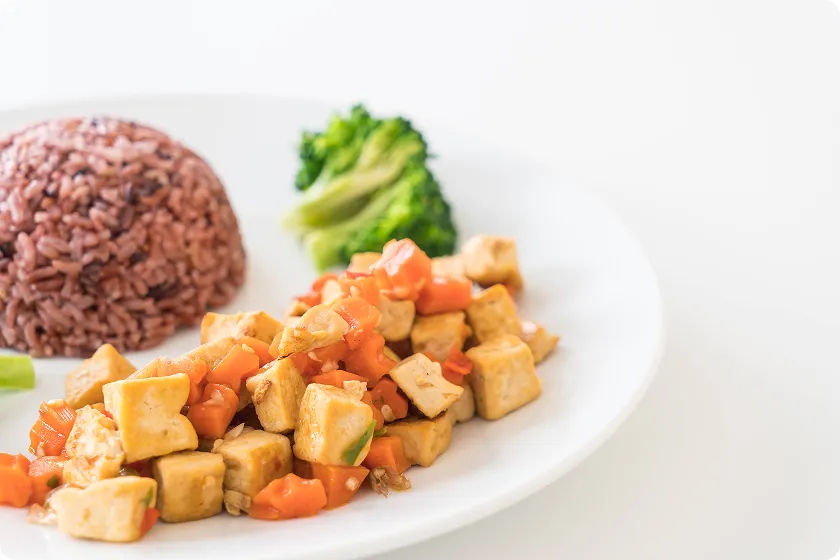
Ingredients
- (2 servings): 200g of pressed firm tofu
- One cup of brown rice
- Two cups of mixed veggies, including snap peas, bell peppers, and broccoli
- One tablespoon of soy sauce
- One teaspoon of sesame oil
- 1 tsp finely chopped ginger
- Two minced garlic cloves
Cooking Steps:
-
Cook Brown Rice: After rinsing, cook one cup of rice with about two cups of water for 40 to 45 minutes, or until the rice is soft.
-
Tofu preparation involves pressing the tofu to extract extra water. Make cubes. Use sesame oil in a nonstick skillet and pan-fry for 5 to 7 minutes, or until golden brown all over.
-
Stir-Fry Vegetables: For one to two minutes, sauté the garlic and ginger in the same pan. Stir-fry the veggies until they are crisp-tender, 5 to 7 minutes.
-
Add the tofu back to the pan and mix it with the sauce. After adding the soy sauce, thoroughly whisk the mixture.
-
To serve, put brown rice on a platter and stir-fry the tofu over it. Add sesame seeds to give it more texture.
Pro Tip: You can vary vegetables seasonally, carrots, zucchini, or mushrooms work well.
4. Turkey and Vegetable Skillet
Lean ground turkey is high in protein and low in fat, making it ideal for quick protein-heavy meals. Combined with vegetables, it’s both filling and nutritious.
Ingredients:
-
200g lean ground turkey
-
1 cup zucchini, chopped
-
1 cup bell peppers, chopped
-
1 onion, diced
-
1 tsp paprika
-
1 tsp cumin
-
Salt and pepper to taste
-
1 tbsp olive oil
Cooking Steps:
-
Brown the turkey by heating a pan with olive oil over medium heat. Prepare the ground turkey until it is fully cooked and no longer has any pink color.
-
Add Vegetables: Mix in onions, bell peppers, and zucchini. Cook for 5 to 7 minutes, or until the veggies are soft but still somewhat crunchy.
-
Add salt, pepper, cumin, and paprika for seasoning. Give it a good stir.
-
Serve: For extra fiber, serve with whole-grain bread or cauliflower rice on the side
Nutritional Tip: Use as little oil as possible to maximize protein consumption while keeping fat levels low.
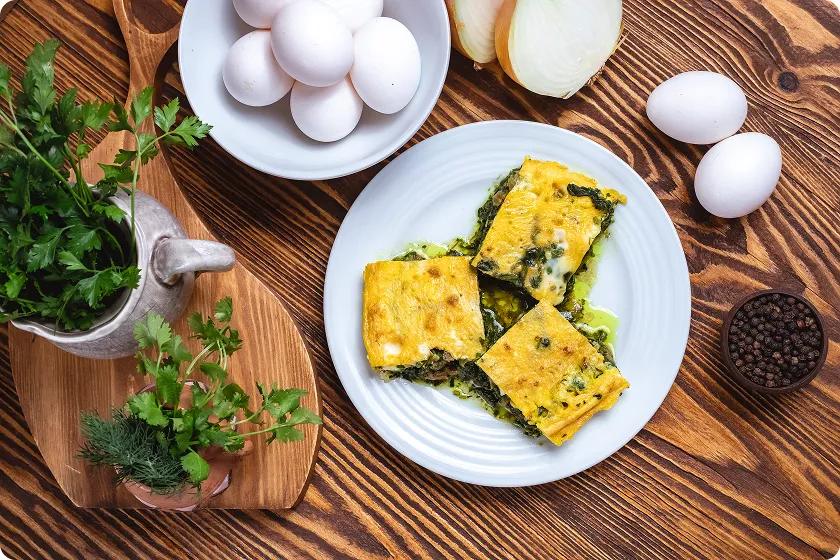
5. Egg and Spinach Frittata
Eggs are a versatile, affordable source of protein. Combining with spinach, tomatoes, and mushrooms creates a nutrient-dense dinner that is easy to prepare and meal-prep friendly.
Ingredients:
-
6 eggs
-
1 cup spinach, chopped
-
1 tomato, diced
-
½ cup mushrooms, sliced
-
2 tbsp milk
-
1 tbsp olive oil
-
Salt and pepper to taste
-
Optional: ¼ cup feta cheese
Cooking Steps:
-
Preheat Oven: 350°F (175°C).
-
Sauté Vegetables: Heat olive oil in an oven-safe skillet. Add mushrooms, spinach, and tomatoes. Cook until vegetables are tender.
-
Prepare Egg Mixture: Whisk eggs with milk, salt, and pepper. Pour over vegetables in skillet.
-
Bake: Cook in oven for 20 to 25 minutes until eggs are set. Top with feta cheese if desired.
-
Serve: Slice into portions and enjoy warm.
Tip: Frittatas can be stored in the fridge and eaten throughout the week, making them perfect for meal prep.
6. Chickpea and Sweet Potato Curry
A hearty vegetarian curry that is high in protein and fiber. Chickpeas provide plant-based protein, while sweet potatoes supply complex carbs and vitamins.
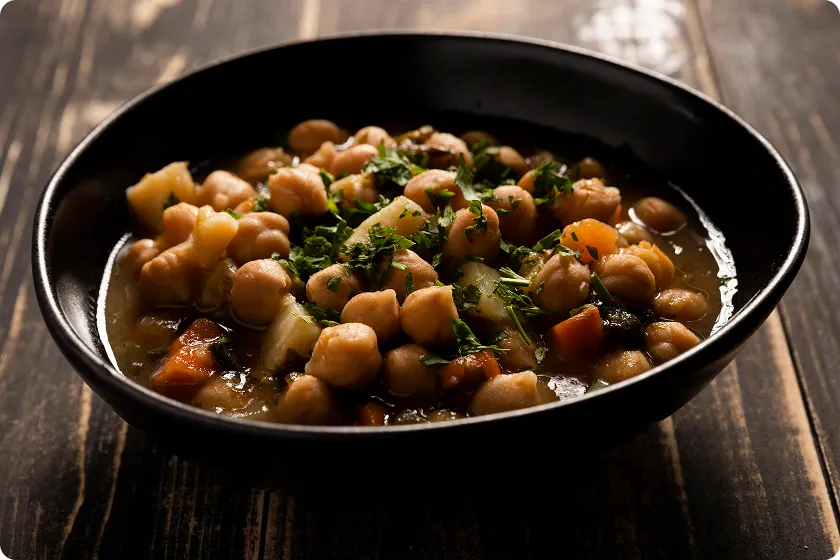
Ingredients:
- One can (240g) of chickpeas
- One medium sweet potato, chopped
- One sliced onion
- Two minced garlic cloves
- One teaspoon each of coriander, cumin, and turmeric
- One cup of light coconut milk
- One tablespoon of olive oil
- Add salt and pepper to taste.
Cooking Steps:
- Sauté the aromatics: Heat the olive oil in a large pan and cook the onion for 5 minutes until soft. Add the garlic and spices and stir for 1 minute.
- Add the sweet potato: Stir in the sweet potato cubes so they are coated in the spices.
- Simmer: Add the drained chickpeas and coconut milk with a splash of water. Cover and simmer for 15 to 20 minutes, until the sweet potato is tender.
- Season and serve: Add salt and pepper to taste and serve with brown rice or whole-grain flatbread.
Tip: Adjust coconut milk quantity to manage calorie content.
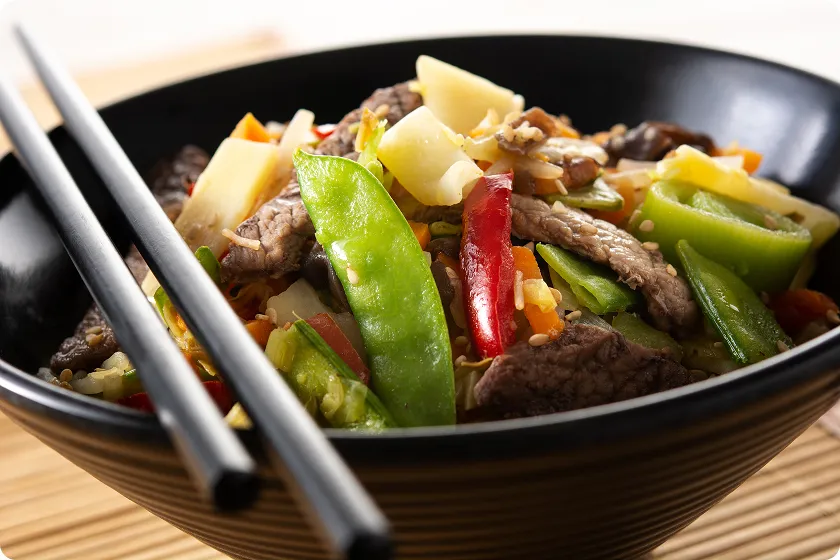
7. Beef and Broccoli Stir-Fry
A classic protein-rich dinner combining lean beef with nutrient-dense broccoli. Rich in iron and vitamins, it’s a filling option for dinner.
Ingredients:
-
200g lean beef (sirloin), thinly sliced
-
2 cups broccoli florets
-
1 garlic clove, minced
-
1 tsp ginger, minced
-
2 tbsp soy sauce
-
1 tsp olive oil
Cooking Steps:
-
Cook Beef: Heat olive oil in a pan. Cook beef quickly over high heat to avoid overcooking.
-
Add Vegetables: Add broccoli and sauté 5 minutes.
-
Season: Stir in garlic, ginger, and soy sauce. Cook until broccoli is tender-crisp.
-
Serve: Plate immediately with brown rice or cauliflower rice.
Tip: Quick cooking over high heat helps keep vegetables crisp and limits nutrient loss.
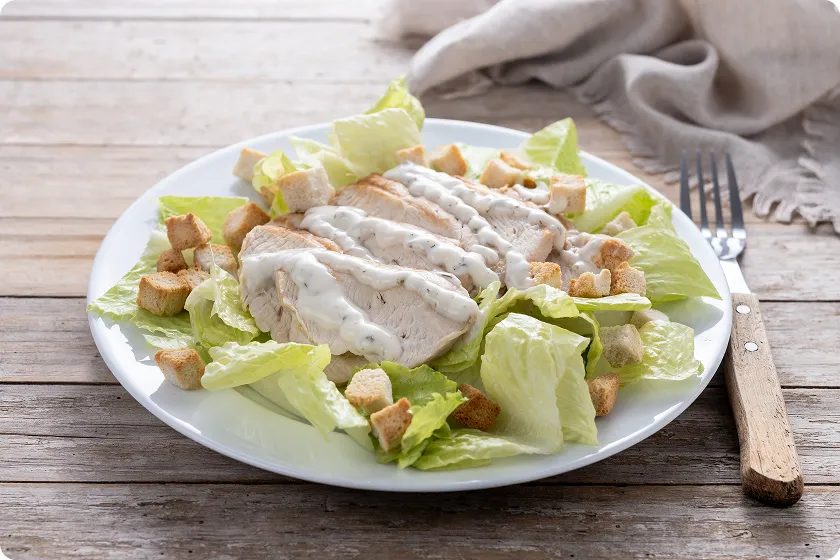
8. Greek Yogurt Chicken Salad
A creamy, protein-rich salad using Greek yogurt instead of mayo. Quick to make and ideal for a light dinner.
Ingredients:
-
200g cooked chicken, shredded
-
½ cup plain Greek yogurt
-
1 celery stalk, diced
-
1 small apple, diced
-
Salt and pepper to taste
-
Optional: walnuts or almonds
Cooking Steps:
-
Mix Ingredients: Combine chicken, yogurt, celery, apple, and nuts in a bowl.
-
Season: Add salt and pepper. Chill for 10 minutes.
-
Serve: Serve on leafy greens or whole-grain bread.
Tip: Plain nonfat or low-fat Greek yogurt adds protein and live cultures while keeping fat low.
9. Lentil and Vegetable Soup
A comforting soup rich in plant-based protein, fiber, and vitamins. Perfect for batch cooking.
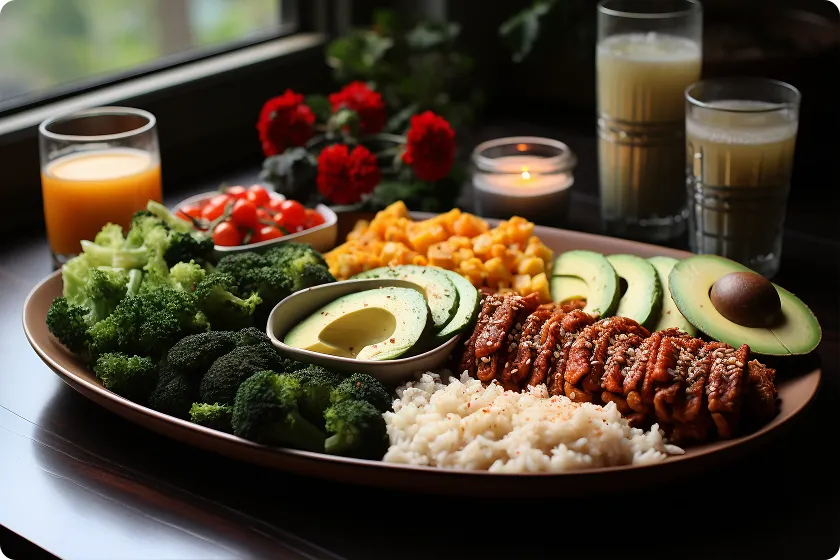
Ingredients:
-
1 cup lentils
-
2 carrots, diced
-
1 celery stalk, diced
-
1 onion, diced
-
2 cups vegetable broth
-
1 tsp cumin
-
1 tsp turmeric
-
1 tsp olive oil
Cooking Steps:
-
Sauté Vegetables: Heat oil, cook onion, carrots, and celery until soft.
-
Add Lentils and Broth: Stir in lentils, spices, and broth. Simmer 25 to 30 minutes until lentils are tender.
-
Blend or Serve Chunky: Optional to partially blend for a creamier texture.
Tip: Freeze leftovers in individual portions for quick high-protein meals.
10. Shrimp and Avocado Salad
A light, protein-rich meal combining seafood and healthy fats. Great for quick dinners.
Ingredients:
-
200g shrimp, peeled
-
1 avocado, diced
-
1 cup cherry tomatoes, halved
-
1 cucumber, sliced
-
1 tbsp olive oil
-
Juice of ½ lemon
-
Salt and pepper
Cooking Steps:
-
Cook Shrimp: Sauté shrimp in olive oil for 3 to 5 minutes until pink.
-
Prepare Salad: Combine avocado, tomatoes, and cucumber in a bowl.
-
Mix: Add shrimp and drizzle with lemon juice. Season with salt and pepper.
Tip: Add quinoa or chickpeas for extra protein if needed.
High Protein Foods to Include in Your Diet
| Food Item | Protein per 100g | Notes |
|---|---|---|
| Chicken breast | 31g | Lean, versatile |
| Salmon | 25g | Rich in omega-3s |
| Eggs | 13g | Affordable, nutrient-dense |
| Greek yogurt | 10g | High in calcium and probiotics |
| Tofu | 8 to 17g (soft to extra-firm) | Excellent plant-based option |
| Lentils | 9g | High in fiber and iron |
| Chickpeas | 9g | Great for vegetarian meals |
| Beef (lean) | 26g | Iron-rich, supports muscle |
| Shrimp | 24g | Low in fat, high in protein |
| Quinoa | 4g | Complete plant-based protein |
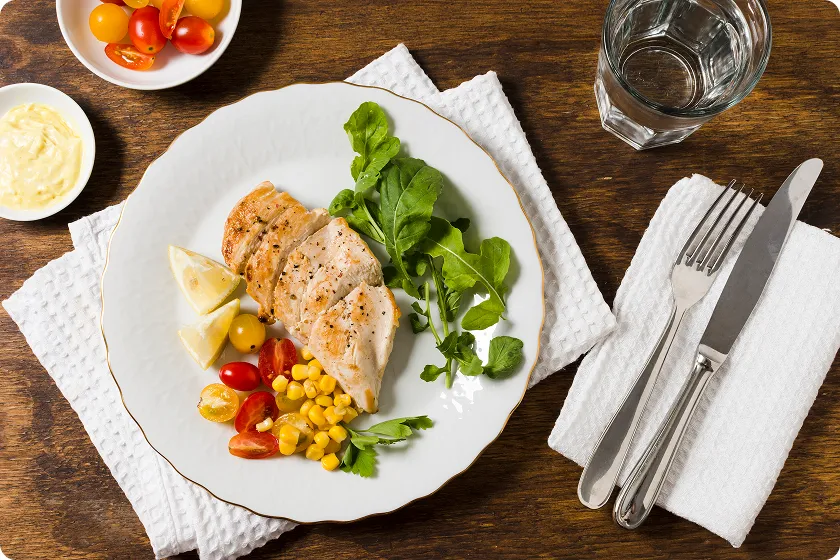
How to Reach 200 Grams of Protein Per Day
Reaching 200 grams of protein per day is manageable with careful planning:
-
Spread protein intake across 4 to 6 meals and snacks.
-
Remember that 200 grams is far above what most adults need, so aim for it only if a dietitian or coach has set that target for your size and training.
-
Include lean meats, seafood, dairy, legumes, and protein powders.
-
Track your intake using an app or food journal.
-
Prioritize high-protein snacks like boiled eggs, Greek yogurt, or nuts.
Sample Daily Plan:
-
Breakfast: Greek yogurt + chia seeds (30g)
-
Snack: Protein shake (25g)
-
Lunch: Grilled chicken salad (40g)
-
Snack: Boiled eggs + almonds (20g)
-
Dinner: Salmon + lentils (40g)
-
Evening snack: Cottage cheese (20g)
This sample plan provides about 175 grams. To reach 200 grams, increase the chicken or salmon portion or add a second protein shake.
Tips for Making High Protein Meals Healthy and Delicious
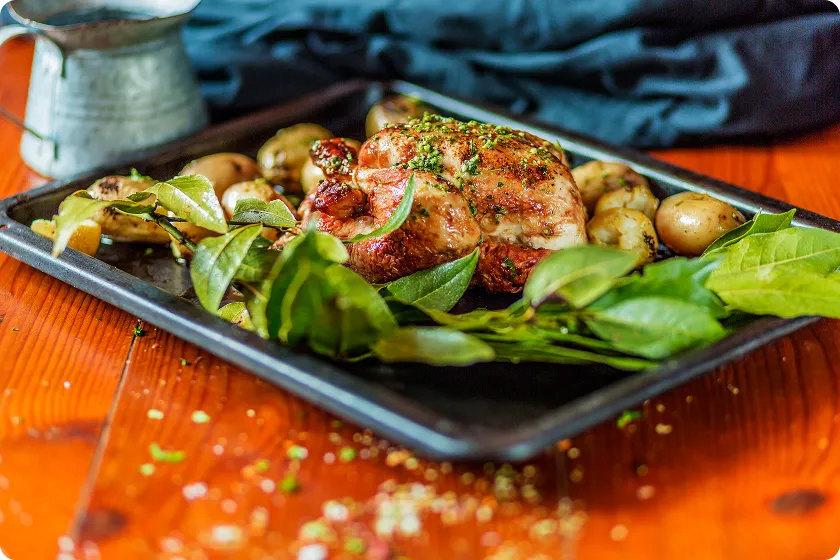
- For a variety of nutrients, mix plant and animal proteins.
- Instead of using thick sauces, use citrus, herbs, and spices.
- Prioritize natural foods over manufactured protein products.
- For ease, prepare meals ahead of time.
- Portion sizes should be adjusted to meet calorie and protein targets.
Meal Prep Ideas for High Protein Dinners
-
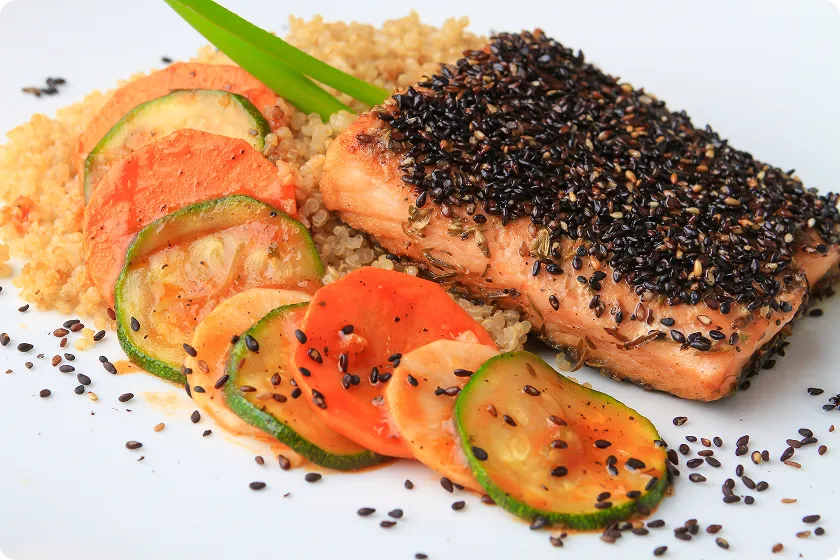
Batch cooking chicken or turkey: Roast multiple breasts at once for salads and stir-fries.
-
Cook grains in bulk: Quinoa, brown rice, and lentils can be refrigerated for 4 to 5 days.
-
Prepare protein snacks: Boil eggs or portion Greek yogurt for quick access.
-
Freezer-friendly meals: Soups, curries, and casseroles can be frozen for later use.
How Much Protein Do You Need at Dinner?
Most adults do well with about 25 to 40 grams of protein at a meal. A palm-sized portion of chicken, fish, tofu or lean beef usually gives you 20 to 30 grams, and adding beans, lentils, dairy or whole grains tops it up. Older adults may benefit from the higher end of that range because muscles respond less to protein with age.
Very high protein diets are not right for everyone. People with chronic kidney disease are often told to limit protein, and anyone who is pregnant or has a medical condition should get advice before making big changes. Choosing fish, poultry, beans, nuts and low-fat dairy more often than red and processed meats also helps keep saturated fat and sodium in check, as the Dietary Guidelines for Americans recommend.
When to See a Doctor
Talk to your doctor or a registered dietitian before starting a very high protein diet if you have kidney disease, diabetes, gout, liver disease or a history of kidney stones. Also see a doctor if you notice foamy urine, swelling in your legs or face, ongoing constipation, or unexplained tiredness after changing your diet.
Call 911 (or your local emergency number) if you have signs of a severe food allergy after eating shellfish, nuts, eggs, soy or dairy, such as swelling of the lips or throat, trouble breathing, or feeling faint.
Conclusion
Including high-protein meals in your evenings promotes general health, satiety, and muscular building. There are many ways to enjoy tasty, well-balanced protein meals, from lean meats and seafood to plant-based alternatives like tofu and lentils.
You may enjoy protein-rich meals every day, vary your diet, and meet your protein objectives by using these ten high-protein supper options. Experience the advantages of more energy, improved recuperation, and improved well-being by starting your experiments now.
Sources
- Dietary Reference Intakes for Macronutrients (National Academies)
- International Society of Sports Nutrition Position Stand: Protein and Exercise
- Dietary Guidelines for Americans, 2020 to 2025
- FoodData Central (USDA)
- Safe Minimum Internal Temperature Chart (USDA FSIS)
FAQ
1. What are the highest protein fruits?
Higher protein fruits can be added to salads or yogurt, such as guava, blackberries, apricots, and mulberries.
2. What is the protein content of beef?
Cooked lean beef has around 26 to 31 grams of protein per 100 grams, which makes it a good choice for supporting muscle.
3. Is 200 grams of protein excessive?
For most people, 200 grams a day is more than they need, and it is not a general recommendation. If you are considering a target that high, ask a registered dietitian to help you set one based on your body weight, training, and health.
4. How to eat 200 grams of protein a day?
Distribute protein across meals with lean meats, seafood, dairy, legumes, and protein powders for convenience.
5. Which fruit contains more protein?
Guava is one of the highest-protein fruits, with about 4 grams per cup, followed by blackberries and mulberries at about 2 grams per cup.
About the author

Health Researcher and Writer
Haider Nadeem is a health researcher and the writer behind Healthy Eats Guide. He writes about health problems he faces or sees people around him face, and turns careful research into practical guides. Articles are researched and drafted with AI assistance, then fact-checked and edited by Haider using cited sources such as USDA, NIH, and peer-reviewed research.
Related blogs

Diet Plan for a Sports Person: 8 Protein Sources
A diet plan for a sports person: 8 protein sources for athletes, smart carb choices, pre-workout snacks, a sample day of meals and how much protein you really need.
11 min read
Is Bone Broth Healthy: 8 Essential Benefits to Know
Is bone broth healthy? Learn 8 essential bone broth benefits, from fluids to protein, what science supports, and how to choose a low-sodium cup. Read more.
14 min read
Ground Beef Nutrition 85/15: Calories, Protein, Fat
Ground beef nutrition for 85/15, 80/20, 90/10 and 95/5 blends: calories, protein, fat, iron, zinc and B12 per serving, plus safe cooking tips and healthier ways to use it.
11 min read
Newsletter
Get practical nutrition guides in your inbox
Clear food-by-food advice and diet tips for everyday eating — no spam, unsubscribe anytime.