
Scoliosis Symptoms: 9 Essential Types of Scoliosis
Scoliosis symptoms explained: uneven shoulders, rib hump and back pain, 9 types of scoliosis, causes, how curves are measured and adult scoliosis treatment options.
Introduction

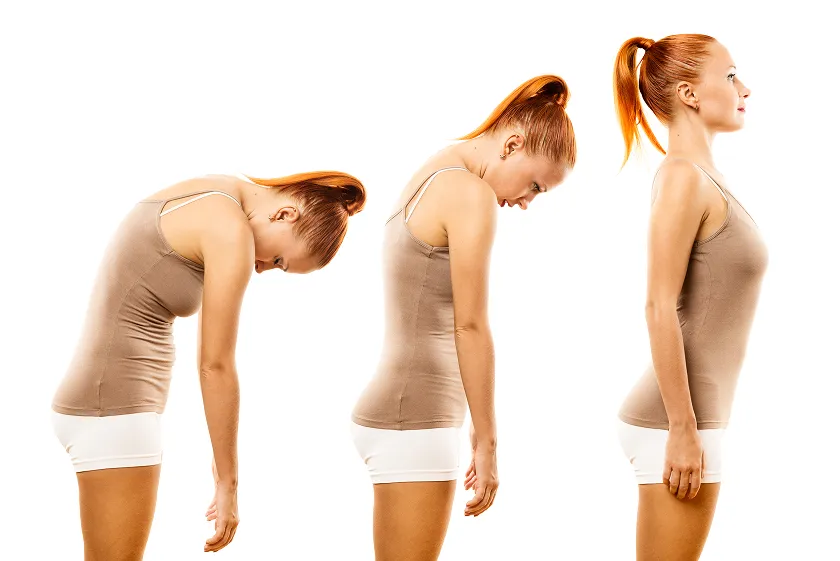
Have you noticed uneven shoulders, a tilted waist, or one side of the ribs sticking out more than the other? These can be early scoliosis symptoms, but they are easy to miss because mild scoliosis often causes little or no pain. This guide explains what scoliosis is, the signs to look for in children and adults, the nine main types of scoliosis, what causes it, how doctors measure the curve and when treatment helps. By the end you will know what to watch for and when to speak with a healthcare professional.
What Is Scoliosis?
Scoliosis is a sideways curve of the spine. Viewed from behind, a healthy spine looks fairly straight. With scoliosis it forms a C or S shape, and the bones of the spine (vertebrae) usually twist as well (NIAMS).
Doctors diagnose scoliosis when the curve measures 10 degrees or more on an X-ray. This measurement is called the Cobb angle. Most curves are mild. Scoliosis most often appears in the growth spurt just before puberty, and although mild curves affect boys and girls at similar rates, girls are much more likely to have curves that worsen and need treatment (NIAMS).
Scoliosis is not caused by carrying heavy backpacks, poor posture or sleeping position, although heavy backpacks can still cause back discomfort.
Why Scoliosis Symptoms Matter

Some curves stay small for life, while others grow during childhood growth spurts or slowly with age. Spotting scoliosis symptoms early gives families the best chance to monitor a curve and, if needed, treat it before it becomes large.
Uneven Posture Is Often the First Clue
Early scoliosis symptoms are usually visible rather than painful. Common signs include (Mayo Clinic):
- One shoulder higher than the other
- One shoulder blade sticking out more
- An uneven waist or one hip higher than the other
- One side of the rib cage pushed forward
- A prominent bump on one side of the back when bending forward (rib hump)
- The body or head leaning to one side, or clothes hanging unevenly
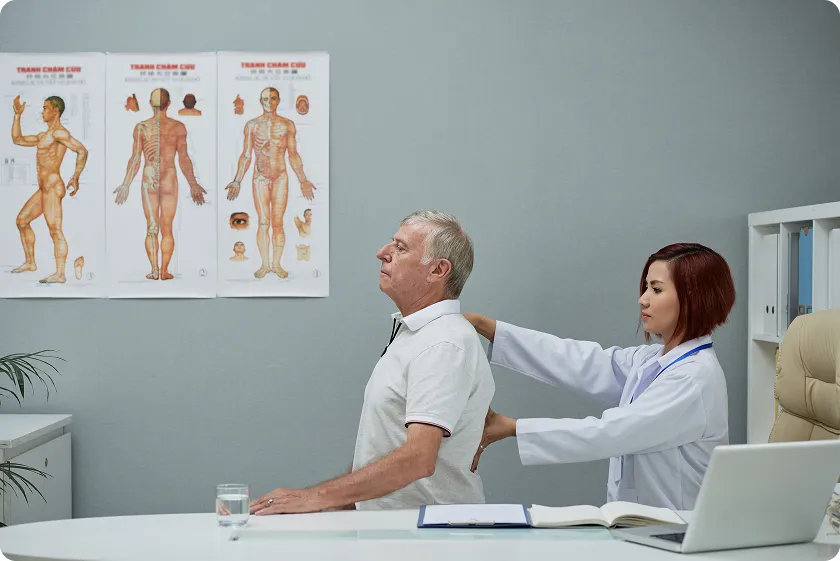
These signs do not confirm scoliosis, but they are worth checking. A simple screening test is the forward bend test: the person bends forward at the waist with arms hanging down, and an examiner looks for one side of the back being higher.
Back Pain Is More Common in Adults
Most children and teens with scoliosis have no pain, so back pain in a young person should be checked for other causes too. Adults are more likely to have back pain, stiffness, a stooped posture or leg pain, numbness or tiredness when walking if the curve narrows the space around the nerves (NHS). For general tips on easing back pain, see our guide to natural back pain relief.
Severe Curves Can Affect Breathing
Very large curves, especially in the upper back, can reduce the space in the chest and make it harder for the lungs to expand. This is uncommon but needs specialist care.
| Sign or Symptom | What It May Suggest | Practical Next Step |
|---|---|---|
| Uneven shoulders | Possible spinal curve | Book a doctor's check |
| Rib hump when bending forward | Spine rotating with the curve | Ask about an X-ray |
| Uneven waist or hips | Body shifting to one side | Note changes with photos |
| Back pain with leg symptoms in adults | Possible degenerative scoliosis with nerve pressure | Discuss adult scoliosis treatment |
| Shortness of breath in severe cases | Large curve limiting chest space | Seek medical review quickly |
Table 1: Common scoliosis symptoms and what they may suggest
The 9 Essential Types of Scoliosis
Doctors describe scoliosis by its cause, the age it appears and its severity. Some categories overlap, so a clinician should always make the diagnosis.
1. Idiopathic Scoliosis
Idiopathic means the exact cause is unknown. It accounts for about 80% of cases (OrthoInfo). Genetics play a role, and scoliosis often runs in families, but many children with it have no affected relatives.
2. Infantile Scoliosis
Infantile idiopathic scoliosis appears before age 3. Some of these curves improve on their own, while others need close monitoring and sometimes casting or bracing.
3. Juvenile Scoliosis
Juvenile idiopathic scoliosis appears between about ages 3 and 10 (age bands overlap slightly between sources). Because these children have many years of growth ahead, curves are more likely to progress, so regular follow-up is important.
4. Adolescent Idiopathic Scoliosis
Adolescent idiopathic scoliosis appears from age 10 until growth stops and is the most common form. It is often found during a school screening, sports physical or routine checkup. Most teens with it can stay fully active.
5. Congenital Scoliosis
Congenital scoliosis is caused by spinal bones that did not form normally before birth. So, yes, some people are born with scoliosis. It may be noticed at birth or later in childhood, and children may have related heart or kidney differences that doctors check for.
6. Neuromuscular Scoliosis
This type develops in people with conditions that affect nerves or muscles, such as cerebral palsy, muscular dystrophy, spina bifida or spinal cord injury. Weak trunk muscles cannot hold the spine straight. Curves are often larger and care involves a team.
7. Degenerative Scoliosis
Degenerative (adult de novo) scoliosis develops in adulthood, usually after 50, as discs and joints wear down unevenly. Pain often worsens with standing or walking and eases with sitting or bending forward. Arthritis and osteoporosis can contribute.
8. Syndromic Scoliosis
Syndromic scoliosis occurs as part of a wider genetic or connective tissue condition, such as Marfan syndrome, Ehlers-Danlos syndrome or neurofibromatosis. Treatment must account for the whole condition.
9. Functional Scoliosis
Functional scoliosis is a curve caused by something outside the spine, such as one leg being longer than the other or muscle spasm. The spine itself is normal, and the curve usually resolves when the underlying cause is treated.
| Type | Common Age or Group | Main Concern |
|---|---|---|
| Idiopathic | Children and teens | Unknown cause, possible family link |
| Infantile | Under 3 years | Early monitoring |
| Juvenile | Ages 3 to 10 | Higher chance of progression |
| Adolescent idiopathic | Age 10 to end of growth | Most common type |
| Congenital | Present from birth | Spinal bone formation differences |
| Neuromuscular | Nerve or muscle conditions | Muscle weakness, larger curves |
| Degenerative | Adults, usually over 50 | Wear and tear, nerve pressure |
| Syndromic | Genetic or connective tissue syndromes | Whole-body condition |
| Functional | Any age | Leg length difference or muscle spasm |
Table 2: Quick comparison of the 9 types of scoliosis
Diagnosis and Curve Size
A doctor will examine posture and do the forward bend test, then usually order a standing X-ray of the whole spine to measure the Cobb angle (NIAMS). An MRI may be used if there are unusual features, such as a left-sided upper back curve, rapid progression, pain at night or nerve symptoms. Our guide on why pain gets worse at night explains other causes of night-time pain.
| Curve Size (Cobb Angle) | Typical Description | Usual Approach in Growing Children |
|---|---|---|
| 10 to 25 degrees | Mild | Observation with X-rays every 4 to 12 months |
| 25 to 45 degrees | Moderate | Bracing if still growing |
| Over 45 to 50 degrees | Severe | Surgery often considered |
Table 3: How curve size guides scoliosis treatment. Exact thresholds vary between specialists (OrthoInfo).
Treatment Options
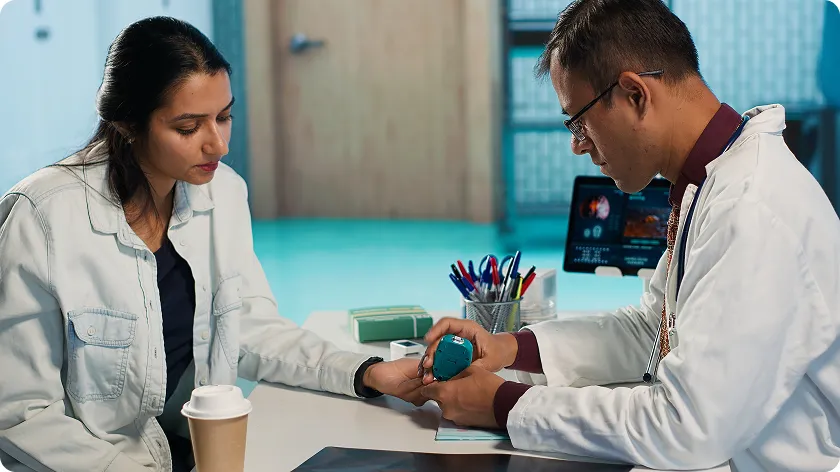
Treatment depends on age, how much growing is left, curve size, the type of scoliosis and symptoms.
Observation
Most mild curves only need regular checkups and X-rays to see whether they change, especially during growth spurts.
Bracing
For growing children with moderate curves, a brace worn as prescribed, often many hours a day, can slow or prevent the curve getting worse, though it cannot guarantee it and works best while the child is still growing. It does not straighten the spine, and braces are not helpful once growth has finished (NIAMS).
Physical Therapy and Exercise
Scoliosis-specific exercises and general physical therapy can improve strength, posture, flexibility and comfort. They are often used alongside bracing or for adults with pain. Staying active with walking, swimming and strengthening is encouraged.
Surgery
Spinal fusion surgery joins the curved vertebrae with rods and screws so they heal into a single, straighter bone. It is usually considered for severe or rapidly progressing curves. Newer growth-friendly options, such as vertebral body tethering, may suit some children who are still growing.
Adult Scoliosis Treatment
For adults, treatment focuses on pain relief and function: physical therapy, anti-inflammatory pain relief, staying active, weight management, bone health care and sometimes spinal injections. Surgery is considered for severe pain, nerve compression, progressive deformity or balance problems that do not respond to other care (Mayo Clinic). If tight muscles from posture changes cause neck discomfort, see our guide to neck pain at the base of the skull.
When to See a Doctor
See a doctor if you notice:
- Uneven shoulders, hips or waist, or a rib hump when bending forward
- A curve that seems to be getting worse, especially during a growth spurt
- Back pain in a child or teen, particularly pain at night or with fever
- Back pain with leg pain, numbness or tiredness when walking in an adult
- Shortness of breath with a known large curve
Emergency: Call 911 (or your local emergency number) or go to the emergency department if back pain comes with sudden leg weakness, numbness in the groin or inner thighs, or new loss of bladder or bowel control, as these can signal serious nerve compression.
Conclusion
Scoliosis symptoms can be subtle, especially when the curve is mild. Key signs include uneven shoulders and hips, a rib hump when bending forward and a leaning posture in children, and back pain, stiffness or leg symptoms in some adults. Knowing the main types of scoliosis and how curve size guides treatment helps you act early and calmly. Most people with scoliosis lead full, active lives with monitoring and the right care.
Sources
- Scoliosis (NIAMS)
- Scoliosis: Symptoms and Causes (Mayo Clinic)
- Scoliosis (NHS)
- Idiopathic Scoliosis in Children and Adolescents (OrthoInfo, AAOS)
FAQ
1. Is scoliosis hereditary?
Scoliosis, especially idiopathic scoliosis, often runs in families. However, many people with scoliosis have no affected relatives, so genes are only part of the picture.
2. Does scoliosis cause back pain?
Children and teens with scoliosis usually have no pain. Adults are more likely to have back pain, stiffness or leg symptoms, especially with degenerative scoliosis.
3. Can scoliosis be fixed?
Bracing can slow or prevent a moderate curve from worsening in growing children, and surgery can straighten severe curves. Many mild curves only need monitoring.
4. Can you be born with scoliosis?
Yes. Congenital scoliosis happens when spinal bones form abnormally before birth. Most scoliosis, though, develops later in childhood or adulthood.
5. Does bad posture cause scoliosis?
No. Poor posture, heavy backpacks and sleeping positions do not cause scoliosis, although posture can look uneven because of the curve.
About the author

Health Researcher and Writer
Haider Nadeem is a health researcher and the writer behind Healthy Eats Guide. He writes about health problems he faces or sees people around him face, and turns careful research into practical guides. Articles are researched and drafted with AI assistance, then fact-checked and edited by Haider using cited sources such as USDA, NIH, and peer-reviewed research.
Related blogs

C. diff Infection Symptoms: 9 Essential Signs and Causes
C diff infection symptoms explained: 9 warning signs after antibiotics, what causes C diff in adults, treatment, prevention and when to seek urgent care.
10 min read
Crohn's Symptoms in Women: 10 Essential Rash Clues
Crohn's symptoms in women can include skin rashes, mouth sores and period-related flares. Learn 10 skin clues, women's health issues and when to get care.
9 min read
Allergy Attack: 9 Essential Throat Allergy Symptoms
Allergy attack throat symptoms: 9 signs from itchy throat to tightness, how to tell allergies from a cold, fast relief steps and when swelling needs emergency care.
13 min read
Newsletter
Get practical nutrition guides in your inbox
Clear food-by-food advice and diet tips for everyday eating — no spam, unsubscribe anytime.