
Why does pain get worse at night? 7 Proven Relief Tips
Why does pain get worse at night? Learn how body rhythms, stillness and attention affect joint and muscle pain, 7 relief tips and the red flags that need a doctor.

Introduction

Many people experience increased pain at night, whether it's joint pain, muscle aches, or discomfort. If you've ever wondered why pain gets worse at night, you're not alone. Nighttime pain can be particularly challenging, affecting sleep quality and overall well-being. In this article, we'll explore why pain tends to intensify after sundown, particularly for conditions like joint and muscle pain. We'll also provide seven proven relief tips to help you manage and reduce pain at night, so you can get the rest you need and wake up feeling better.
Why Does Pain Get Worse at Night?

Several things can make pain feel stronger once the day winds down. Knowing what drives it makes the pain easier to manage.
- Lowered Distractions: Work, chores, and other people keep your mind busy in the daytime, which can hide pain. In a quiet, dark room, the pain gets your full attention.
- Body's Natural Rhythms: Your body follows a circadian rhythm that affects hormones and pain sensitivity. Cortisol, a hormone that helps calm inflammation, normally falls through the day, reaches low levels around the start of the night, and rises toward morning. Timing varies from person to person, and this rhythm alone does not explain night pain, but it may be one reason inflammatory pain can feel worse at night.
- Sleep Position and Pressure: Lying in one position for hours puts steady pressure on hips, shoulders, and the lower back. A position that strains a sore joint, or a pillow that bends your neck, can make pain flare during the night.
- Lack of Movement: Hours of stillness let muscles and joints stiffen, which is especially noticeable with joint pain.
- Poor Sleep and Pain Feed Each Other: Pain makes it harder to sleep, and short or broken sleep lowers your pain threshold the next day. Conditions such as arthritis, fibromyalgia, and widespread muscle pain often get caught in this cycle.
Understanding Joint and Muscle Pain at Night

Joint pain at night can be particularly problematic, leading to tossing and turning. Here are a few potential causes:
- Osteoarthritis: The cushioning cartilage inside a joint gradually wears away, which brings aching, stiffness, and swelling. Pain usually worsens with use during the day, but in more advanced osteoarthritis, it can also disturb sleep.
- Fibromyalgia: This condition brings aches across many parts of the body that often feel stronger after dark. Pain breaks up sleep, and poor sleep then makes the pain harder to bear.
- Inflammation: Conditions that involve inflammation, such as rheumatoid arthritis, bursitis, or tendonitis, often feel worse at night or first thing in the morning. Lying on an inflamed shoulder or hip bursa can be especially painful.
- Nerve pain: Sciatica, carpal tunnel syndrome, and diabetic nerve pain often feel worse at night, with tingling, burning, or numbness. Carpal tunnel symptoms commonly wake people because the wrists bend during sleep.
7 Proven Tips for Nighttime Pain Relief
If you're struggling with body aches at night, there are ways to alleviate the pain. Here are seven proven tips to help manage nighttime discomfort.

Tip 1: Create a Comfortable Sleeping Environment
Ensure your sleeping environment supports your body's needs:
- Use a medium-firm mattress. A 2003 randomized trial in The Lancet found that medium-firm mattresses improved pain and disability more than firm ones in 313 adults with chronic low back pain. That does not mean medium-firm is best for everyone.
- Opt for pillows that provide support for your neck and spine.
- Keep the room cool, dark, and quiet, which supports deeper sleep.
- Side sleepers can tuck a pillow between the legs, and back sleepers can slide one beneath the knees. Both take strain off the hips and lower back.
Tip 2: Stretch Before Bed
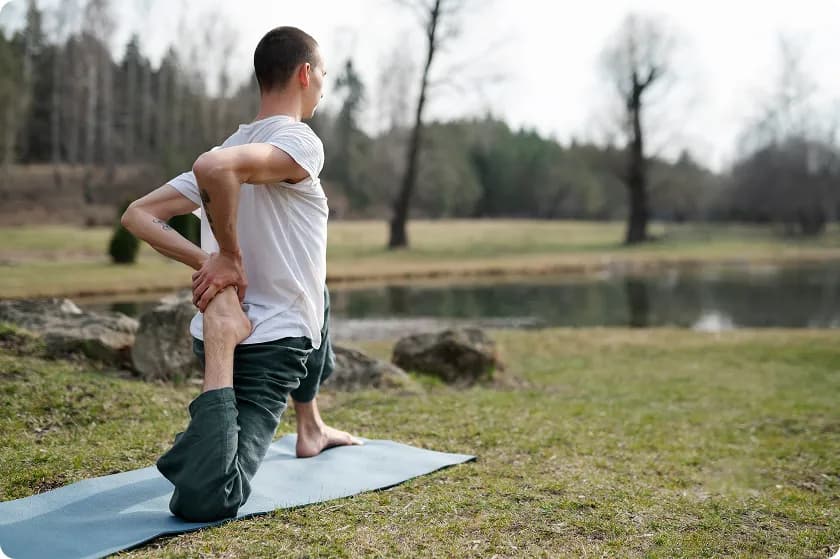
Gentle stretching can help reduce stiffness and prepare your muscles for rest. Focus on areas like your back, hips, and shoulders to loosen up tight muscles. Staying active during the day matters too, because regular movement is one of the best long-term treatments for arthritis and back pain. Our guide to natural back pain relief includes simple exercises.
Tip 3: Try Heat or Cold Therapy
- Heat therapy from a heating pad or a warm bath can loosen tense muscles and improve circulation. Use it for 15 to 20 minutes and never fall asleep on a heating pad, because it can burn the skin.
- Cold therapy with a towel-wrapped ice pack can calm swelling and dull pain. Limit it to about 15 to 20 minutes at a time.
Tip 4: Keep a Consistent Sleep Schedule
Going to bed and getting up at the same times every day keeps your body clock steady and makes it easier to nod off. A regular routine will not stop pain, but it can ease painsomnia (pain-related insomnia). Our sleep hygiene checklist has more ideas.
Tip 5: Use Over-the-Counter Medications Wisely
Medications such as NSAIDs (nonsteroidal anti-inflammatory drugs), like naproxen or ibuprofen, lower inflammation as well as pain, and acetaminophen can ease pain without affecting inflammation. Some people find that timing a dose in the evening helps them sleep, but always follow the label or your doctor's advice. NSAIDs can cause stomach bleeding, kidney problems, and fluid retention, and they can raise blood pressure. Risk depends on the dose, how long you take them, and your health, and serious problems can happen without warning signs, so check with a doctor before using them regularly, especially if you are over 65, take blood thinners, or have heart, kidney, or stomach problems. Do not take more acetaminophen than the label allows, because too much can damage the liver.
Tip 6: Consider Natural Pain Relievers
Some people try natural remedies, but the evidence is mixed. Talk to your doctor or pharmacist first, because supplements can interact with medicines:
- Turmeric: Small studies suggest curcumin may ease osteoarthritis pain a little, but it can interact with blood thinners.
- Magnesium supplements: Often used for night leg cramps, but trials and a Cochrane review show little or no benefit for ordinary cramps in older adults. This does not apply if a doctor finds you are low in magnesium. See our guide to magnesium glycinate for more on its uses.
- Lavender oil: The scent may help some people relax before bed, though the evidence is limited.
Tip 7: Consult a Healthcare Professional
If your pain persists or worsens, it may be time to consult a doctor. Conditions like fibromyalgia, arthritis, or muscle pain all over the body may require professional treatment or medication. Your doctor can find out what is behind the pain and recommend the right treatment.
How to Track Your Night Pain
Keeping a simple pain diary for one or two weeks can help you and your doctor find patterns. Note when the pain starts, where it is, how strong it feels on a scale of 0 to 10, what you did that day, your sleep position, and what helped. This information makes it easier to tell whether the pain is linked to activity, inflammation, nerves, or something else.
Pay attention to how your pain behaves. Pain that eases after you get up and move around often comes from stiffness or mechanical strain. Pain that stays the same no matter how you lie, or that wakes you from deep sleep every night, deserves a closer look.
When to See a Doctor
Make an appointment if night pain lasts more than a few weeks, keeps waking you up, or does not improve with simple home care. See a doctor sooner if night pain comes with any of these red flags:
- Fever, chills, or night sweats
- Weight loss without trying
- A history of cancer
- Pain that is constant and does not change with position or rest
- A hot, red, swollen joint
- New numbness, tingling, or weakness in an arm or leg
- Pain after a fall or injury, especially if you have osteoporosis
Osteoporosis itself usually causes no symptoms until a bone breaks. A spinal fracture can cause lasting back pain, loss of height, or a stooped posture, although some spinal fractures go unnoticed at first. Constant bone pain at night can also be a sign of infection or a tumor, which is why it should always be checked.
Call 911 (or your local emergency number) right away if you have chest pain or pressure, pain that moves into your jaw, back, or arm, shortness of breath, sudden severe back pain, or new trouble controlling your bladder or bowels along with numb legs or groin. These can be signs of a heart attack or a spinal emergency.
Conclusion
Nighttime pain, whether joint pain or body aches, can be frustrating and disruptive. Understanding why pain worsens at night is key to managing it effectively. By implementing these seven proven relief tips, you can ease discomfort and rest better. Remember, if the pain continues or interferes with your daily life, it's always a good idea to consult a healthcare professional for further evaluation and treatment.
Sources
- Pain and Sleep (Sleep Foundation)
- Osteoarthritis: Symptoms and Causes (Mayo Clinic)
- NSAIDs (NHS)
- Osteoporosis (National Institute of Arthritis and Musculoskeletal and Skin Diseases)
- Effect of Firmness of Mattress on Chronic Non-Specific Low-Back Pain (The Lancet)
FAQ
1. Why do my bones ache at night?
Night aches that feel like bone pain usually come from joints, muscles, or nerves, as in arthritis or fibromyalgia. Osteoporosis itself is usually painless unless a bone breaks. Constant bone pain that wakes you at night, especially with fever or weight loss, should be checked by a doctor.
2. Why is my body sore when I wake up?
Waking up sore is common if you've been inactive during the night, leading to stiffness in muscles and joints. It can also be due to improper sleeping positions or underlying conditions like fibromyalgia.
3. How can I get rid of body aches in the morning?
Stretching, using heat or cold therapy, staying hydrated, and taking over-the-counter medications can help reduce morning soreness. If the pain persists, see a healthcare provider.
4. Is it normal for arthritis to hurt more at night?
Yes. Many people with arthritis notice more pain at night or stiffness in the morning. Inflammatory types such as rheumatoid arthritis often follow this pattern. If night pain keeps you awake, ask your doctor about adjusting your treatment.
5. What is the best sleeping position for joint pain?
It depends on where you hurt. If you lie on your side, put a pillow between your legs. If you lie on your back, rest one under your knees. Avoid lying directly on a painful shoulder or hip.
6. When is night pain a sign of something serious?
See a doctor promptly if night pain comes with fever, weight loss, a history of cancer, or new weakness or numbness. Call 911 (or your local emergency number) for chest pain, trouble breathing, or loss of bladder or bowel control.
About the author

Health Researcher and Writer
Haider Nadeem is a health researcher and the writer behind Healthy Eats Guide. He writes about health problems he faces or sees people around him face, and turns careful research into practical guides. Articles are researched and drafted with AI assistance, then fact-checked and edited by Haider using cited sources such as USDA, NIH, and peer-reviewed research.
Related blogs

Pain in Lower Right Abdomen: 8 Effective Relief Tips
Pain in the lower right abdomen: common causes from gas to appendicitis, which organs sit there, 8 relief tips, red-flag symptoms and how doctors diagnose it.
11 min read
Natural Back Pain Relief: 8 Proven Back Inflammation Tips
Natural back pain relief backed by guidelines: heat, staying active, exercise, massage, yoga and posture tips, plus back exercises for seniors and red flags to watch.
9 min read

Menopause Joint Pain: 7 Proven Relief Tips
Menopause joint pain explained: why falling estrogen makes joints ache, what it feels like, 7 proven relief tips, treatment options and when to see a doctor.
9 min read
Newsletter
Get practical nutrition guides in your inbox
Clear food-by-food advice and diet tips for everyday eating — no spam, unsubscribe anytime.