
Natural Back Pain Relief: 8 Proven Back Inflammation Tips
Natural back pain relief backed by guidelines: heat, staying active, exercise, massage, yoga and posture tips, plus back exercises for seniors and red flags to watch.
Introduction

When your back hurts, everyday movements like bending to tie a shoe, getting out of a car or sitting through a meeting can become a struggle. The good news is that most low back pain improves on its own within a few weeks, and many of the most effective treatments don't involve pills or surgery. Medical guidelines now recommend non-drug approaches such as heat, movement, massage and exercise as the first step for most people.
This guide explains why back pain happens, eight evidence-based ways to ease it naturally, safe back exercises for seniors, and the warning signs that mean you need medical care right away.
Why Natural Back Pain Relief Matters

Low back pain is extremely common. The US National Institute of Neurological Disorders and Stroke estimates that about 80% of adults have low back pain at some point, and the World Health Organization lists it as the leading cause of disability worldwide.
Most back pain is "nonspecific," meaning no single serious cause such as a fracture, infection or tumor can be found. It usually comes from strained muscles or ligaments, irritated joints or wear in the spinal discs. The word "inflammation" is often used loosely. True inflammatory back conditions, such as ankylosing spondylitis, are less common and need medical treatment.
Why Guidelines Favor Non-Drug Approaches
The American College of Physicians (ACP) recommends that people with short-term low back pain start with non-drug treatments, including heat, massage, acupuncture or spinal manipulation. For chronic pain, it recommends exercise, rehabilitation programs, mindfulness, yoga, tai chi and similar therapies first. Opioids are not recommended as a first choice because of the risks of side effects and dependence.
Common Triggers of Back Pain
| Trigger | Effect on Back |
|---|---|
| Lifting or twisting awkwardly | Strains muscles and ligaments |
| Long periods of sitting | Stiffens joints and weakens supporting muscles |
| Lack of regular exercise | Reduces core and hip strength |
| Excess body weight | Adds load on the lower spine |
| Aging | Disc and joint wear, often with no symptoms |
| Stress and poor sleep | Increases muscle tension and pain sensitivity |
Table 1: Common triggers of low back pain.
Who Benefits Most
Natural approaches suit most adults with nonspecific back pain, including office workers, active people recovering from strain, and older adults dealing with stiffness or mild spinal arthritis. They are less suitable as the only treatment for people with red-flag symptoms, which are listed below.
8 Proven Tips for Natural Back Pain Relief

1. Stay Active Instead of Resting in Bed
Bed rest used to be standard advice, but long stretches in bed are no longer recommended and can leave you stiffer and weaker. A short rest or easing off painful tasks is fine. Keep moving within comfortable limits and return to normal activities as soon as you can. Short walks and gentle movement throughout the day work better than lying still.
2. Use Heat (Cold Has Less Evidence)
The ACP guideline highlights superficial heat, such as a heating pad or warm wrap, as having moderate evidence for easing short-term back pain. Cold packs are popular after an injury, and some people find them soothing, but there is little research showing a clear benefit. Use whichever feels better, wrap packs in a cloth, limit sessions to about 20 minutes, and never sleep on a heating pad.
| Therapy Type | When People Use It | Evidence |
|---|---|---|
| Heat | Acute pain and stiffness | Moderate evidence of short-term relief |
| Cold | First day or two after a strain | Limited evidence; use if it feels helpful |
Table 2: Heat versus cold for low back pain.
3. Gentle Stretching
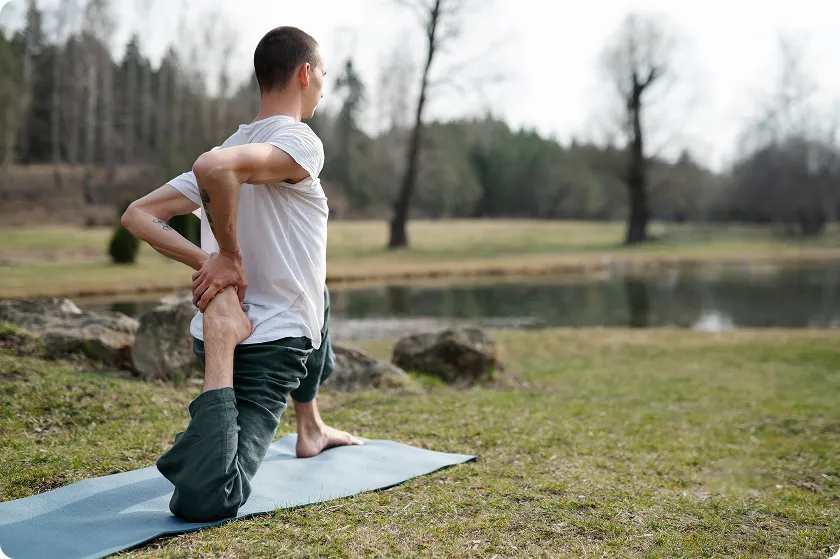
Gentle stretches such as knee-to-chest, pelvic tilts and cat-cow can ease tight muscles. Move slowly, breathe steadily and stop if a stretch causes sharp or shooting pain. Yoga, which combines stretching with strength and breathing, is recommended for chronic back pain.
4. Core and Hip Strengthening
Exercise is one of the best-supported treatments for chronic back pain. Strengthening the muscles of the trunk, hips and buttocks supports the spine. Bridges, bird dogs and modified planks are good starting points. A physical therapist can design a program that fits your needs, and our bodyweight exercises guide offers more ideas.
5. Walking
Walking is a low-impact way to stay active. Start with 10 to 15 minutes and build up gradually. Regular walking supports back health along with heart health and weight control.
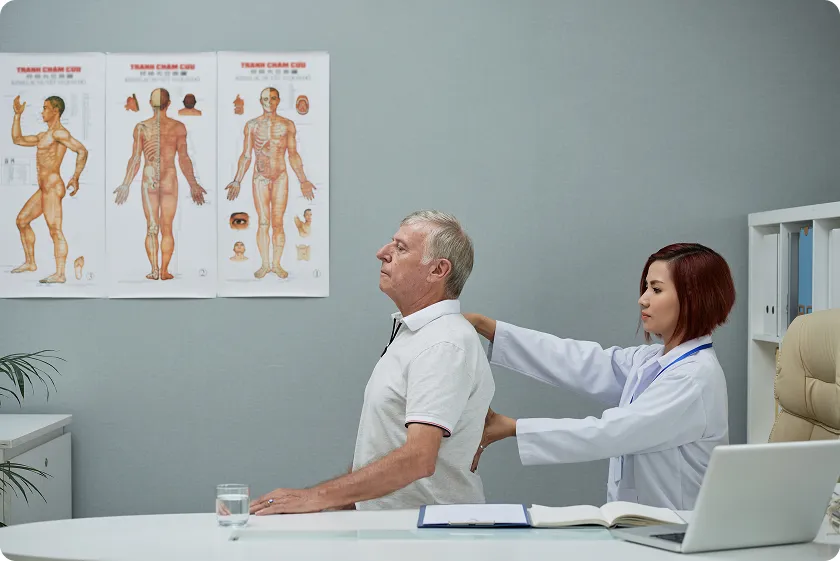
6. Massage, Acupuncture and Spinal Manipulation
Guidelines list massage, acupuncture and spinal manipulation (by a chiropractor, osteopath or trained physical therapist) as options for short-term pain, and acupuncture and spinal manipulation for chronic pain. Benefits tend to be modest and short-term, so they work best combined with exercise. Advice differs between countries: the ACP guideline in the US includes acupuncture, while NICE in the UK advises against it and supports manual therapy such as massage or manipulation only alongside an exercise program. Choose licensed practitioners.
7. Mind-Body Approaches
Pain is influenced by stress, mood and sleep. Mindfulness-based stress reduction, tai chi, progressive muscle relaxation and cognitive behavioral therapy have evidence for chronic low back pain. Good sleep matters too, and our sleep hygiene checklist can help.
8. Healthy Weight and Balanced Diet
No specific food cures back pain, but a healthy weight reduces load on the spine, and a diet rich in vegetables, fruit, whole grains, nuts and oily fish supports overall health. Our top anti-inflammatory foods list offers ideas.
Back Exercises for Seniors
Older adults benefit from low-impact moves that build strength and balance without strain:
- Seated marching: lift one knee at a time while sitting tall.
- Pelvic tilts: lie on your back with knees bent and gently flatten your lower back against the floor.
- Wall push-ups: strengthen the upper body while standing.
- Sit-to-stand: rise slowly from a sturdy chair without using your hands, if you can.
- Water exercise: pool walking or aqua classes reduce joint load.
People with osteoporosis should avoid deep forward bending and twisting and should ask a doctor or physical therapist which exercises are safe. Tai chi also improves balance and lowers fall risk.
Supportive Habits and Tools
Key Lifestyle Improvements
- Break up long periods of sitting every 30 to 60 minutes
- Set up your desk so the screen is at eye level and your feet rest flat
- Lift with your legs, keep loads close and avoid twisting
- Sleep on a supportive mattress, with a pillow between or under your knees
- Stop smoking, which is linked to disc problems and slower healing
Tools That Can Help
| Tool | Purpose | Benefit |
|---|---|---|
| Lumbar cushion | Sitting support | Maintains a comfortable curve |
| Foam roller | Muscle release | May ease tightness |
| Heating pad | Heat therapy | Short-term pain relief |
Table 3: Simple tools for home back care.
If natural measures don't help enough, over-the-counter pain relievers such as NSAIDs may be used short-term. Check with a pharmacist or doctor first if you have stomach, kidney or heart problems or take blood thinners.
When to See a Doctor
See a doctor if:
- Pain is severe or not improving after four to six weeks
- Pain spreads down one or both legs, especially below the knee
- You have numbness, tingling or weakness in a leg
- Pain is worse at night or when lying down
- You have a history of cancer, osteoporosis, steroid use or a weakened immune system
- Pain follows a fall or injury
- You have unexplained weight loss or fever with back pain
Emergency: Call 911 (or your local emergency number) or go to an emergency department right away if back pain comes with new loss of bladder or bowel control, numbness in the groin or inner thighs (saddle area), or rapidly worsening weakness in the legs. These can be signs of cauda equina syndrome, which needs urgent surgery. Seek emergency care too for back pain with high fever, after major trauma, or with sudden severe pain in the abdomen or chest.
Conclusion
Most back pain improves within weeks, and the most effective first steps are simple: stay active, use heat, stretch gently and build strength over time. Massage, acupuncture, spinal manipulation, yoga, tai chi and mindfulness can add relief, especially for chronic pain. Pay attention to red-flag symptoms, and see a doctor if pain is severe, spreading or not improving.
Sources
- Noninvasive Treatments for Acute, Subacute, and Chronic Low Back Pain: ACP Clinical Practice Guideline (PubMed)
- Low Back Pain (NINDS, National Institutes of Health)
- Low Back Pain Fact Sheet (World Health Organization)
- Back Pain (MedlinePlus)
- Low Back Pain in Over 16s: Assessment and Management (NICE)
FAQ
1. How can I relieve back pain fast at home?
Apply heat, keep moving gently, and try light stretches. Short-term use of an over-the-counter pain reliever can help if it is safe for you.
2. What should I do when my back goes out suddenly?
Rest briefly in a comfortable position, then start moving gently within a day or two. Use heat and avoid heavy lifting, and see a doctor if pain is severe or you notice red-flag symptoms.
3. How long does back pain last?
Most acute low back pain improves within a few weeks. Pain lasting 12 weeks or more is considered chronic and benefits from a structured exercise program.
4. How can I treat arthritis in the back naturally?
Regular low-impact exercise, heat, weight control, yoga or tai chi, and physical therapy can ease spinal arthritis symptoms. Ask your doctor about medicines if pain persists.
5. What helps loosen tight lower back muscles quickly?
Heat, gentle stretching such as knee-to-chest, and a short walk are usually the quickest ways to ease tightness.
About the author

Health Researcher and Writer
Haider Nadeem is a health researcher and the writer behind Healthy Eats Guide. He writes about health problems he faces or sees people around him face, and turns careful research into practical guides. Articles are researched and drafted with AI assistance, then fact-checked and edited by Haider using cited sources such as USDA, NIH, and peer-reviewed research.
Related blogs

Menopause Joint Pain: 7 Proven Relief Tips
Menopause joint pain explained: why falling estrogen makes joints ache, what it feels like, 7 proven relief tips, treatment options and when to see a doctor.
9 min read
Neck Pain at Base of Skull: 8 Proven Relief Tips
Neck pain at base of skull: common causes, 8 proven relief tips from stretching to physical therapy, and the red-flag symptoms that need urgent medical care.
10 min read

Why does pain get worse at night? 7 Proven Relief Tips
Why does pain get worse at night? Learn how body rhythms, stillness and attention affect joint and muscle pain, 7 relief tips and the red flags that need a doctor.
10 min read
Newsletter
Get practical nutrition guides in your inbox
Clear food-by-food advice and diet tips for everyday eating — no spam, unsubscribe anytime.