
Keto Diet for Beginners: 10 Easy Breakfast and Lunch Ideas
Keto diet for beginners made simple: a keto foods list, carb limits, 10 easy breakfast and lunch ideas, side effects, and who should talk to a doctor.
Introduction

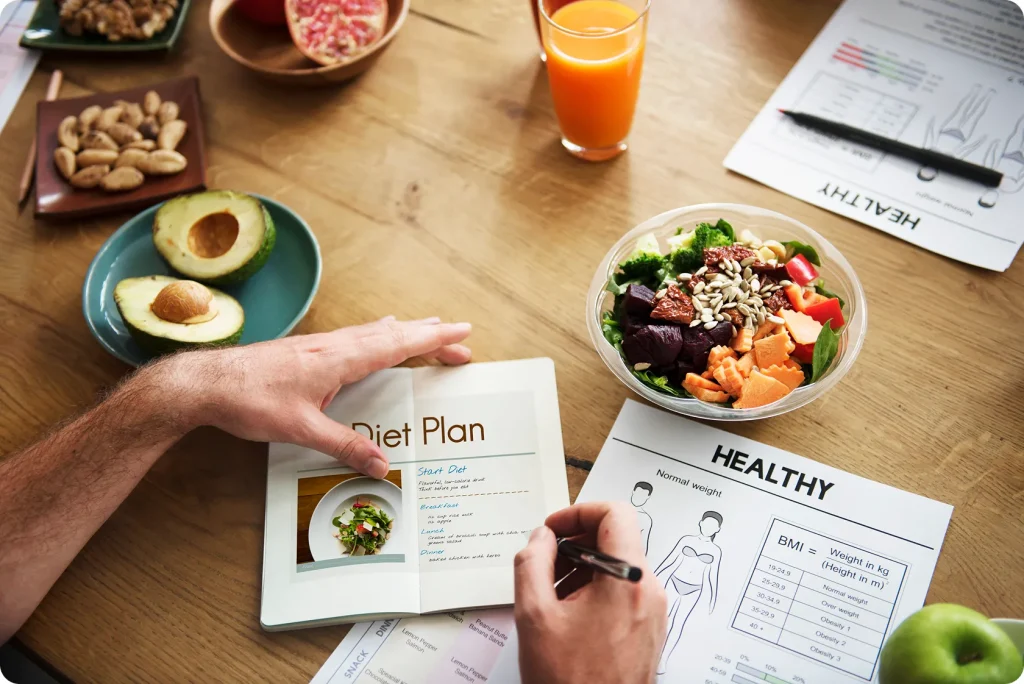
A keto diet for beginners can seem like a lot to take in at first, especially if you’re unsure what to eat, how many carbs you can have, or whether foods you love, like yogurt, peanut butter, or eggs, are keto-friendly. Many beginners switch to a low-carb, high-fat diet to lose weight or manage blood sugar. The transition becomes much easier when you have simple, tasty meal ideas ready ahead of time. Keto is not right for everyone, though, so check with your doctor first if you have a health condition or take medicine for diabetes or blood pressure.
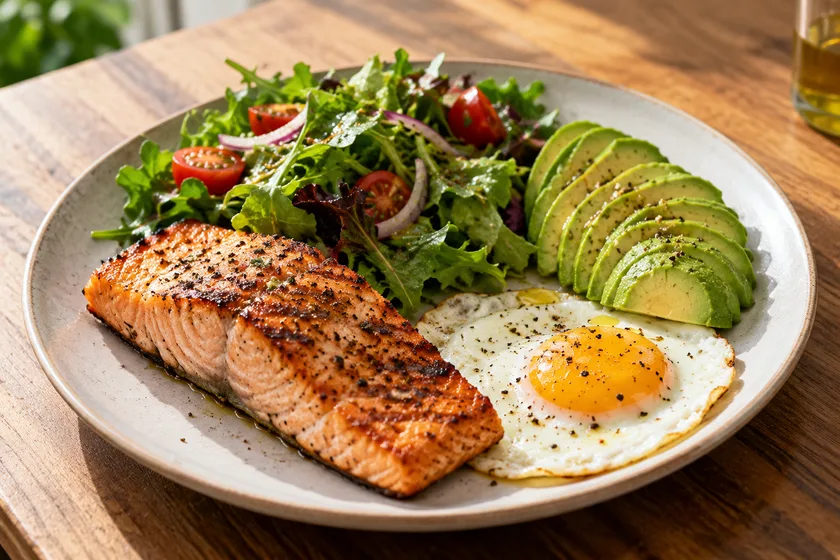
This comprehensive guide is written to help you understand keto clearly, without confusing jargon. You’ll learn exactly what a ketogenic diet is, how ketosis works, how many carbs you can consume, and which foods belong on a ketogenic diet food list. You’ll also discover 10 easy breakfast and lunch ideas made specifically for keto beginners who want simple, affordable, and satisfying meals.
Throughout this article, you’ll see practical tips, high-fiber keto foods, keto-friendly snacks, meal prep strategies, and a helpful table to guide your choices. Whether you're doing keto for weight loss, better health, or general wellness, this guide walks you step by step, using simple explanations and advice from trusted health sources.
10 Easy Keto Breakfast and Lunch Ideas
Breakfast on keto doesn’t need to be complicated. These ideas are rich in healthy fats, low in carbs, and easy to prepare, even on busy mornings.
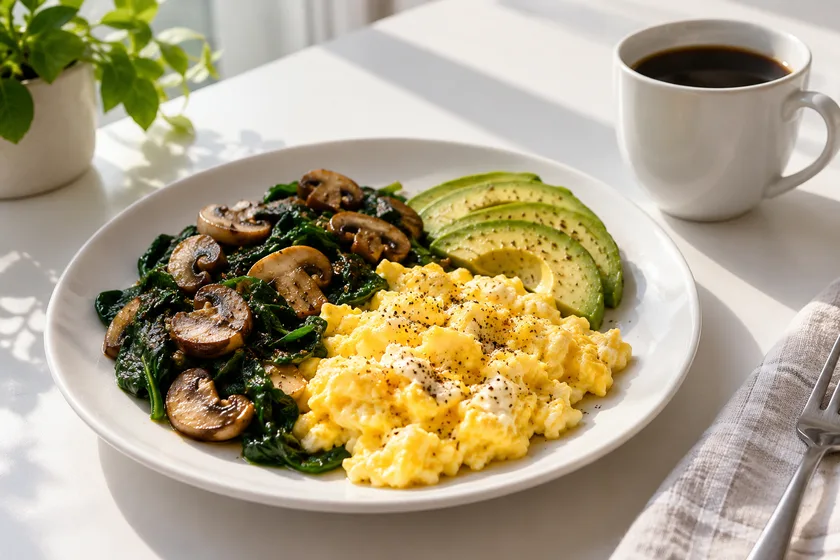
1. Classic Keto Eggs & Avocado Plate
Eggs are among the most nutritious keto foods you can eat. This simple breakfast combines eggs, creamy avocado, and healthy fats to keep you full for hours. It's perfect for beginners because it takes little effort and contains only about 2 to 3 grams of net carbs, mostly from the avocado. This dish also works well for people who need a quick, balanced meal before work or school.
Ingredients
-
2 to 3 eggs
-
Half an avocado
-
Olive oil or butter
-
Salt, pepper
Why It Works
-
High protein
-
Healthy fats
-
Fiber from avocado
2. Keto Greek Yogurt Bowl
Many beginners wonder, “Is yogurt keto-friendly?” The answer: Yes, in small portions, if you choose plain, unsweetened Greek yogurt. A 6-ounce (170-gram) container of plain nonfat Greek yogurt has about 5 to 8 grams of carbs depending on the brand, so check the label and measure your portion.
This meal provides probiotics, protein, and healthy fats when combined with nuts and seeds.
How to Make It
-
½ cup Greek yogurt
-
1 tbsp chia seeds
-
A few berries
-
Almonds or walnuts
Benefits
-
High in protein
-
Supports digestion
-
Easy to meal prep
3. Peanut Butter Chia Seed Keto Pudding
If you love peanut butter, you'll be happy to know:
Is peanut butter keto? Yes, in moderation, as long as it’s natural and has no added sugar. Two tablespoons have about 4 to 5 grams of net carbs.
This pudding is creamy, filling, and high in healthy fats.
How to Make It
-
2 tbsp peanut butter
-
2 tbsp chia seeds
-
½ cup almond milk
-
Stevia or monk fruit to taste
Benefits
-
High fiber
-
Keto-friendly dessert option
-
Perfect for meal prep
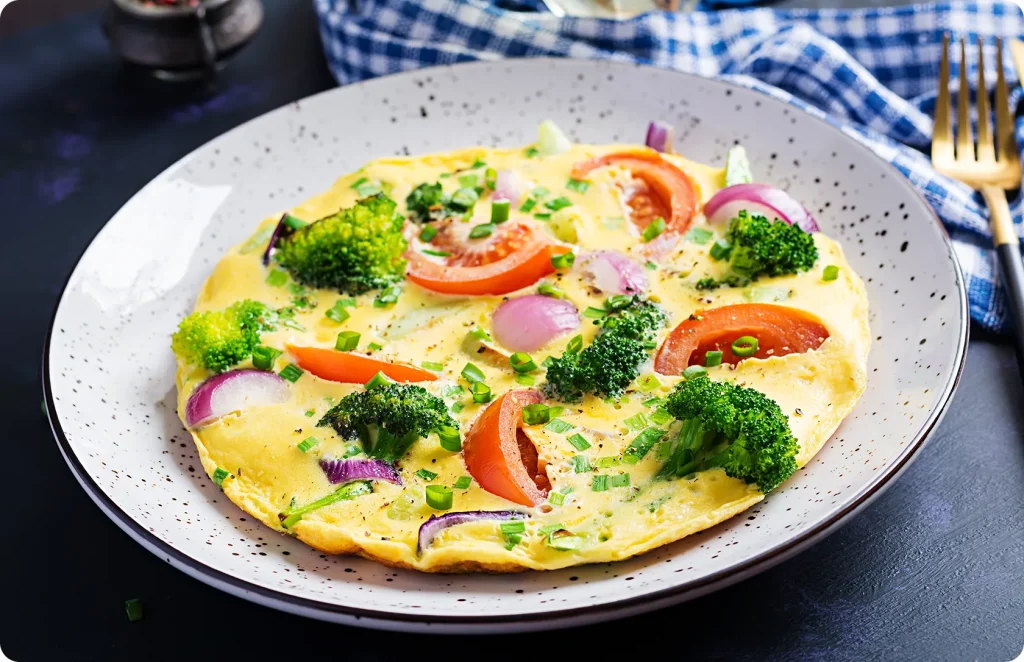
4. Keto Vegetable Omelet
A veggie-packed keto omelet helps you increase your nutrition while keeping carbs low. Keto-friendly vegetables include spinach, mushrooms, bell peppers, and zucchini. This breakfast supports stable energy and keeps you full until lunch.
Ingredients
-
Eggs
-
Spinach
-
Mushrooms
-
Cheese
-
Butter or oil
Why It’s Great
-
High nutrient density
-
Easy to adjust based on your taste
-
Great source of protein
5. Bulletproof Coffee (High-Fat Breakfast)
Bulletproof coffee is popular among keto beginners because many people find it keeps them full through the morning. This drink combines coffee, butter, and MCT oil, and MCT oil can raise ketone levels a little. One cup can contain more than 200 calories and a large amount of saturated fat, so treat it as an occasional option rather than a daily meal replacement. MCT oil can also cause stomach upset, so start with a teaspoon.
Ingredients
-
1 cup coffee
-
1 tbsp butter
-
1 tbsp MCT oil
Benefits
-
Quick to make
-
Very low in carbs
-
Works for some people who skip breakfast
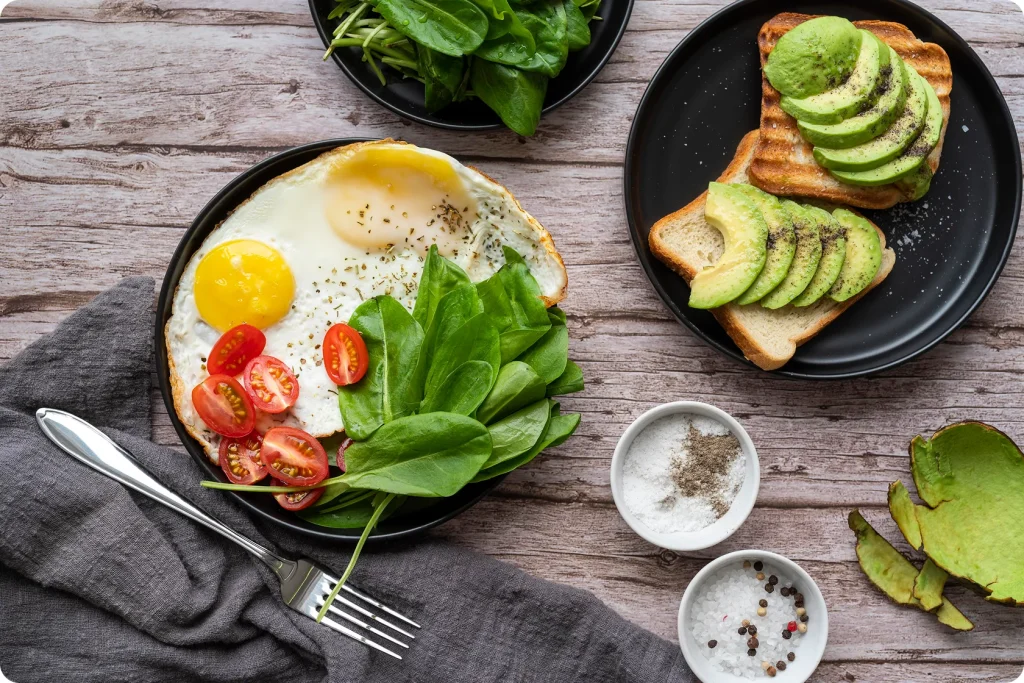
Lunch on keto can be flavorful, filling, and incredibly diverse. These 5 lunch ideas are designed for beginners who want simple meals without complicated ingredients.
6. Lettuce-Wrap Keto Chicken Sandwich
Lettuce is one of the best keto veggies, making it a perfect replacement for bread. This chicken wrap is crunchy, fresh, and full of flavor.
How to Make It
-
Lettuce leaves
-
Grilled chicken
-
Cheese
-
Mayo or dressing
-
Pickles
Benefits
-
Almost no carbs from the wrap
-
High protein
-
Perfect for office lunches
7. Keto Cauliflower Fried Rice
Since rice is not keto-friendly, cauliflower rice is the perfect substitute. It tastes delicious, cooks quickly, and absorbs flavors beautifully.
Ingredients
-
Cauliflower rice
-
Soy sauce or coconut aminos
-
Eggs
-
Veggies (optional)
-
Chicken or shrimp
Benefits
-
Low carb
-
High fiber
-
Great for meal prep
8. Keto Zucchini Noodles with Creamy Garlic Sauce
Zucchini noodles, or “zoodles,” are a keto favorite. They offer a pasta-like texture without the carbs. You can add chicken, shrimp, or mushrooms for a complete meal.
Ingredients
-
Spiralized zucchini
-
Butter
-
Garlic
-
Cream cheese
Benefits
-
Rich, satisfying flavors
-
Easy for beginners
-
Naturally low-carb
9. Keto Salmon Bowl with Veggies
This balanced bowl includes high-quality protein, healthy fats, and plenty of keto-friendly vegetables. Salmon provides omega-3 fatty acids, making it great for heart and brain health.
Ingredients
-
Salmon
-
Spinach
-
Avocado
-
Sesame seeds
Benefits
-
Filling and satisfying
-
Rich in omega-3 fats
-
High nutrient density
10. Keto Egg Salad with High-Fiber Veggies
Eggs are not only keto-friendly, they’re the foundation of many keto meals. This egg salad includes celery, lettuce, cucumbers, and other high-fiber keto foods.
Ingredients
-
Boiled eggs
-
Mayo
-
Lettuce
-
Celery
-
Mustard
Benefits
-
Rich in protein
-
Keeps you full
-
Perfect for lunchboxes
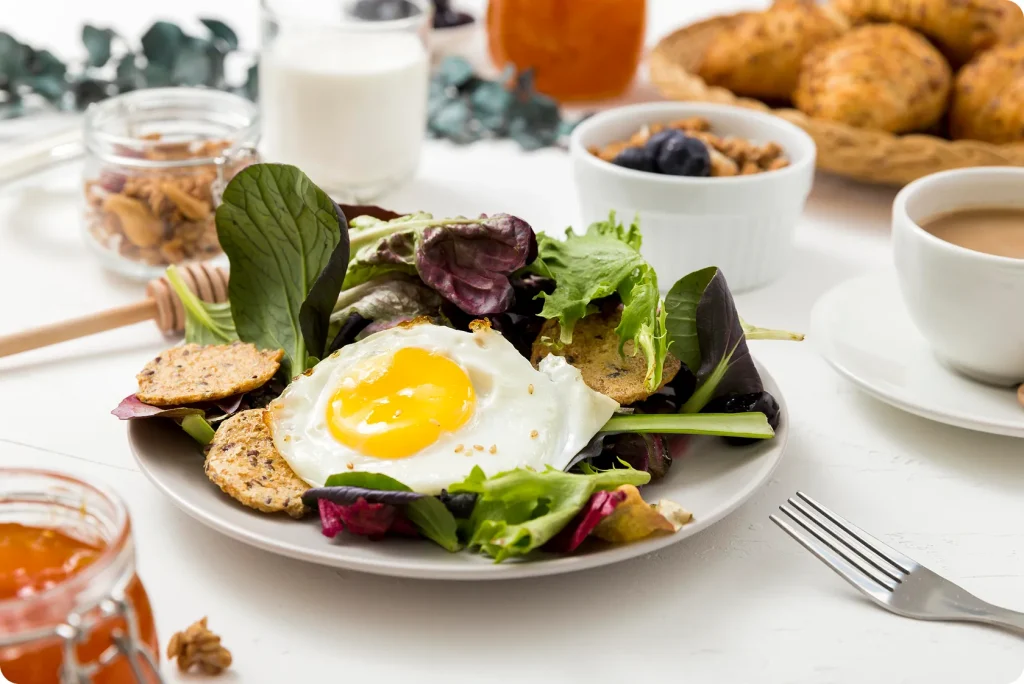
Table: Keto Foods List (Beginner-Friendly Guide)
| Food Category | Keto-Friendly Foods | Foods to Avoid |
|---|---|---|
| Proteins | Eggs, beef, chicken, fish | Breaded meat |
| Dairy | Cheese, butter, Greek yogurt | Flavored yogurt |
| Vegetables | Lettuce, spinach, broccoli | Potatoes, corn |
| Fruits | Berries | Mangoes, bananas |
| Fats | Olive oil, coconut oil | Sugary spreads |
| Grains | None (try cauliflower rice instead) | Rice, pasta, bread |
Caption: A beginner-friendly keto foods list to simplify daily meal planning.
Keto-Friendly Snacks & Fat Bomb Ideas
Snacking on a ketogenic diet can feel tricky at first, especially if you’re used to grabbing chips, cookies, or fruit between meals. But keto snacking becomes incredibly simple once you understand the goal: choose foods that satisfy hunger, stabilize energy, and keep carbs extremely low. Most keto-friendly snacks are rich in fat and moderate in protein, which keep you full without raising your blood sugar much. This is especially helpful during the early stages of keto when your body is still adjusting to lower carb intake and you may experience cravings.
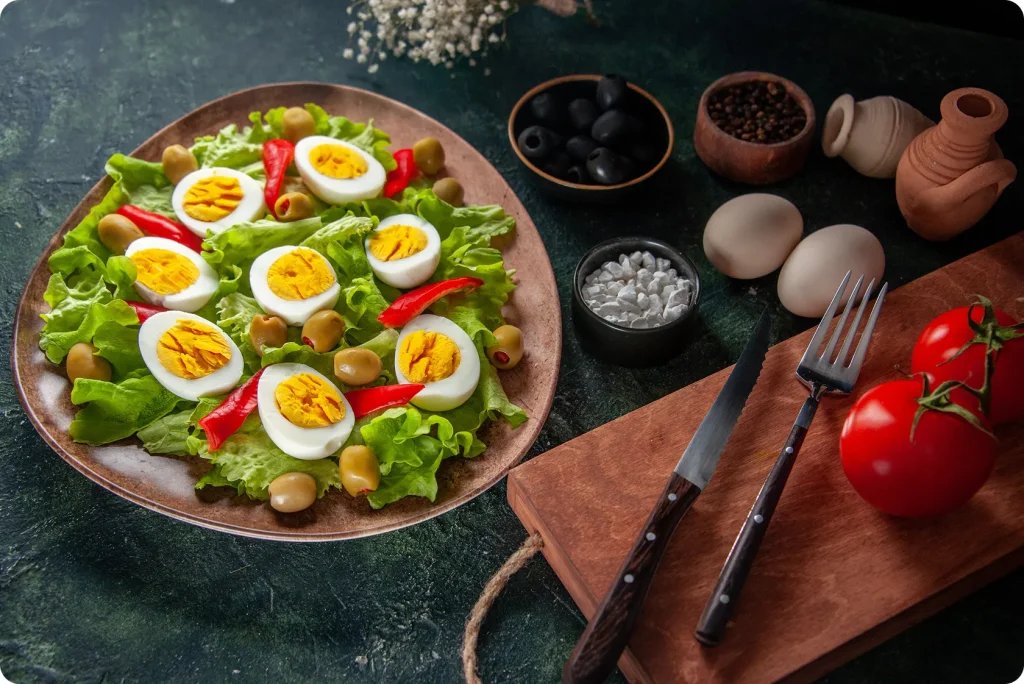
As you explore different keto snacks, you’ll notice a pattern, whole, minimally processed foods work best. Ingredients like cheese, nuts, seeds, olives, avocados, and nut butters provide quick fuel and contain naturally low carbohydrate levels. These snacks can be eaten at home, packed for school or work, or stored in airtight containers for convenience. If you find yourself frequently hungry between meals, it may also signal that your meals need more fat or fiber, both of which help regulate appetite on a low-carb, high-fat diet.
Keto fat bombs are another option some beginners use. These small, bite-sized treats are very high in fat and calories, so a few can add up quickly. They can help with cravings, but they are not needed to stay in ketosis, and many are made with coconut oil or butter, which are high in saturated fat. Fat bombs come in many varieties, from chocolate-peanut butter sweets to savory cheese-and-herb blends, making them easy to customize based on your taste. They also work well as pre-workout snacks, mini desserts, or fast energy boosters when you’re busy. Most can be prepared in minutes and stored in the fridge for several days.
Keto Meal Prep Tips for Busy Beginners
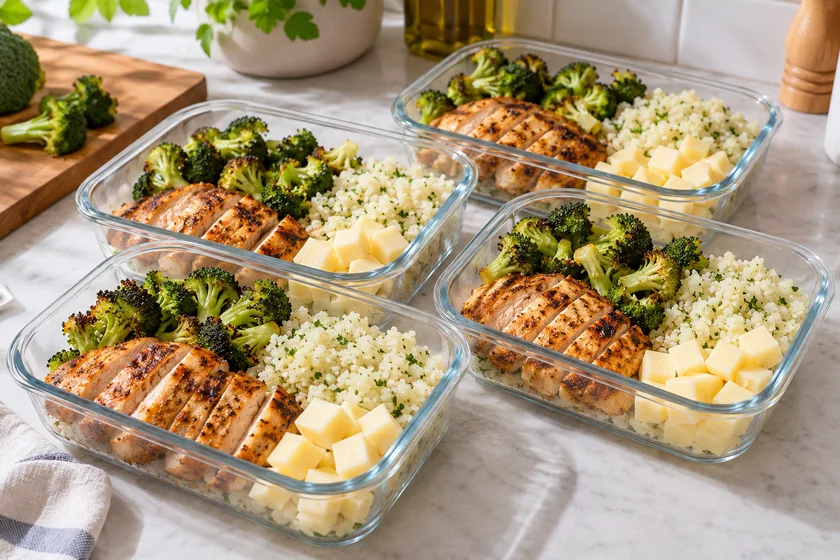
One of the best methods for maintaining consistency on a ketogenic diet, particularly if you're new to the lifestyle, is meal preparation. Making meals ahead of time helps you avoid last-minute carb-heavy food choices, eliminates uncertainty, and lowers stress. Having the proper meals prepared when hunger hits is the main obstacle for the majority of novices, not a lack of drive. By organizing your meals in advance, you establish a disciplined schedule that promotes ketosis, increases self-assurance, and aids in long-term commitment.
Start by choosing straightforward meals using staple keto foods like eggs, poultry, cheese, veggies, and healthy fats. Select dishes that are easy to reheat, store well, and don't require complex cooking techniques. Baking multiple chicken breasts or boiling a dozen eggs are examples of bulk protein cooking that saves time and enables you to easily put together meals throughout the week. To expedite dinner preparation, wash, cut, and store vegetables like lettuce, spinach, broccoli, and zucchini in airtight containers.
What Is a Ketogenic Diet? (Understanding Keto for Beginners)
The low-carb, high-fat ketogenic diet encourages your body to use fat rather than glucose as fuel. Your body goes into a metabolic condition called ketosis when you consume very few carbohydrates. Your liver creates ketones during ketosis, which serve as your primary source of energy. Many people find their appetite drops on keto, which can help with weight loss. Research suggests people may lose weight more quickly on keto during the first few months, though by the one-year mark the results look much like those to other diets that cut calories.
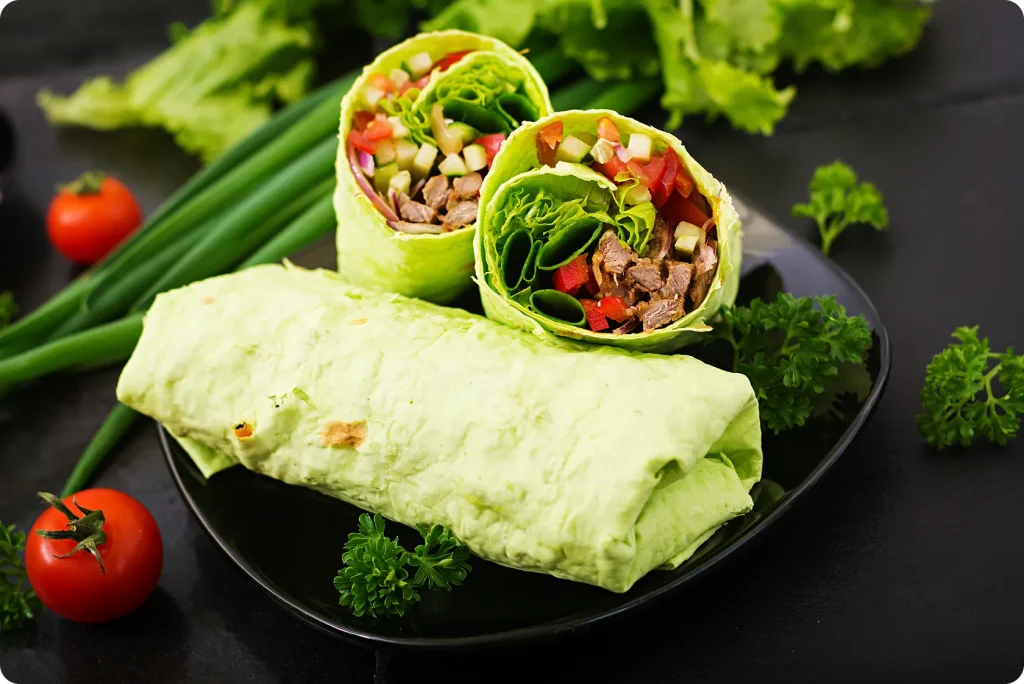
The keto diet is popular because it allows filling meals with fats, proteins, and plenty of low-carb vegetables. Let’s look deeper into how ketosis works and how much you should eat as a beginner.
How Ketosis Works in the Body
To understand ketosis, you need to know how your body normally works. Carbohydrates are digested into glucose, the fuel your body normally relies on most. Glucose you don't need right away is packed into the liver and muscles as glycogen, and any surplus calories, whatever food they come from, can end up as body fat over time.
But when carbs drop to roughly 20 to 50 grams per day, your glycogen stores run low within a few days. Your body then breaks down more fat, and the liver turns some of it into ketones, which the brain and muscles can use for fuel.
Effects that people often report include:
-
Less hunger and fewer cravings
-
Steadier blood sugar, which may help some people with type 2 diabetes
-
Quick early weight loss, partly from water
In the first 1 to 2 weeks, some people (not everyone) get the so-called keto flu, with headache, tiredness, dizziness, constipation, and trouble sleeping. Drinking enough fluids and getting enough salt usually helps. Long-term effects are still being studied, and LDL cholesterol rises in some people, so ask your doctor about checking your blood lipids after a few months.
On a Keto Diet, How Many Carbs Can You Eat?
Beginners often ask, **“On keto diet, how many carbs can I eat?”**The general rule is:
- 20 to 50 grams of net carbs per day
- Net carbs = Total carbs, Fiber
Many plans start closer to 20 to 25 grams a day. Count carbs from all foods, including sauces, nuts, and dairy.
Examples of net carb foods:
-
Eggs: under 1 gram of net carbs each
-
Cheese: about 0 to 1 gram per slice
-
Avocado: about 2 to 3 grams per half
-
Leafy greens: about 1 gram per cup raw
Foods like rice, bread, pasta, bananas, and potatoes are too high in carbs for keto.
Keto Foods List: What to Eat and What to Avoid
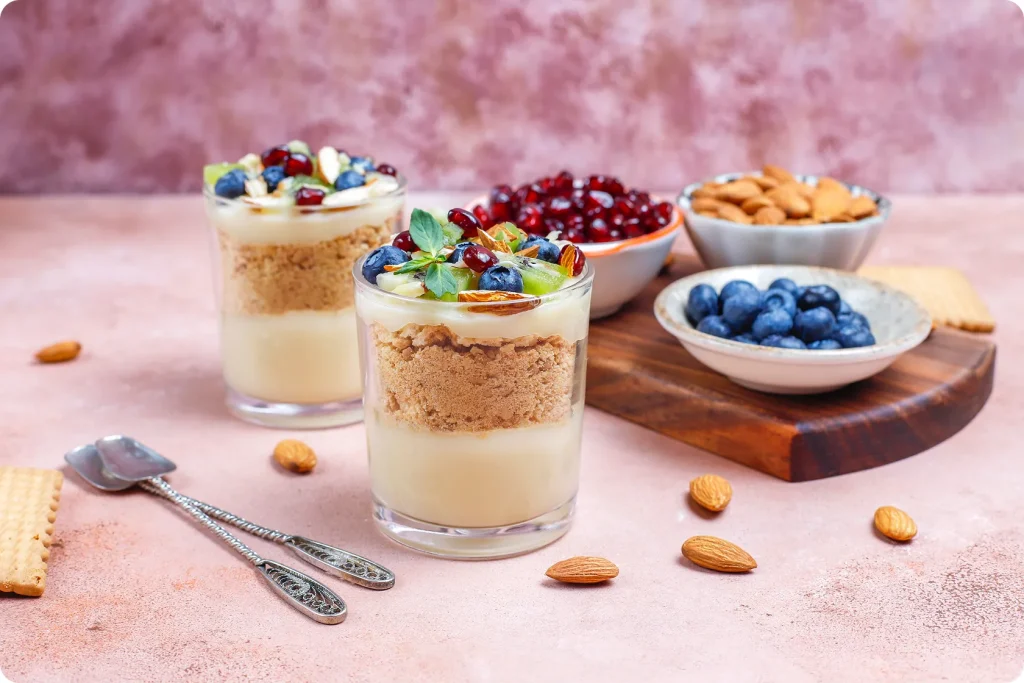
A high-quality ketogenic diet food list is your best friend as a beginner. Keto-friendly foods include:
Eat Often
-
Eggs (yes, eggs are keto)
-
Meat, chicken, fish, seafood
-
Cheese, butter (yes, butter is keto)
-
Avocado
-
Nuts, seeds
-
Low-carb vegetables like spinach, lettuce (yes, lettuce is keto)
-
Olive oil, coconut oil
Eat in Moderation
-
Peanut butter (is peanut butter keto? Yes, if unsweetened)
-
Greek yogurt (is yogurt keto-friendly? Yes, if low-carb)
-
Berries
Avoid
-
Rice (is rice keto-friendly? No)
-
Bread, pasta
-
Sugary foods
-
Most cereals
-
High-carb fruits like mango and bananas
Choose mostly unsaturated fats, such as olive oil, avocado, nuts, and fish, and keep butter, cream, and fatty processed meats in smaller amounts.
Who Should Not Try Keto Without Medical Advice
Talk to your doctor before starting keto if you:
- Have type 1 diabetes, or type 2 diabetes treated with insulin or other medicines that can cause low blood sugar
- Take an SGLT2 inhibitor, such as empagliflozin or dapagliflozin, because a very low-carb diet can raise the risk of euglycemic ketoacidosis, which can happen even when blood sugar is below 250 mg/dL. Avoid keto unless your prescriber agrees
- Take medicine for high blood pressure, since your dose may need to change as you lose weight
- Have kidney disease, liver disease, pancreatitis, or gallbladder problems
- Are pregnant or breastfeeding
- Have a history of an eating disorder
Children should only follow a ketogenic diet under medical supervision, for example as a treatment for epilepsy.
When to See a Doctor
See your doctor if keto flu symptoms last more than 2 weeks, or if you have constipation, kidney stone pain, or a fast heartbeat that does not settle. If you have diabetes, check your blood sugar often and ask your care team how to adjust your medicines.
Call 911 (or your local emergency number) right away if you have signs of ketoacidosis, such as nausea and vomiting, belly pain, fast breathing, fruity-smelling breath, severe weakness, or confusion, especially if you have diabetes. Diabetic ketoacidosis is a medical emergency and is very different from the mild ketosis of a keto diet.
Conclusion
A keto diet for beginners doesn’t have to be confusing when you have the right tools and meal ideas. By understanding what a ketogenic diet is, how ketosis works, and how many carbs you can eat, you can begin with confidence. Using a clear keto foods list, smart meal prep, and simple recipes, you can enjoy satisfying breakfasts, filling lunches, and easy snacks.
These 10 easy breakfast and lunch ideas are designed to help you stay consistent on a low-carb, high-fat diet. Keto can help some people lose weight and control blood sugar, but it is hard to follow long term, and it is not safe for everyone. Choose mostly unsaturated fats, plenty of low-carb vegetables, and talk to your doctor before starting if you have a health condition or take regular medicine. For more ideas, see our guides to high protein meals and daily sugar intake.
Sources
- Ketogenic Diet (StatPearls, NCBI Bookshelf)
- Diet Review: Ketogenic Diet for Weight Loss (Harvard T.H. Chan School of Public Health)
- Ketosis: Definition, Benefits and Side Effects (Cleveland Clinic)
- FoodData Central (USDA)
FAQ
1. What is a ketogenic diet and how does it work?
A ketogenic diet is a very low-carb, high-fat eating plan. When carbs are cut to roughly 20 to 50 grams a day, the liver makes ketones from fat, and the body uses them for fuel. Many people eat less because they feel less hungry, which can lead to weight loss.
2. Is yogurt keto friendly?
Plain, unsweetened Greek yogurt can fit in small portions. A 6-ounce container has about 5 to 8 grams of carbs, so check the label. Flavored yogurts often contain 15 grams of sugar or more, which is too much for most keto plans.
3. Is rice keto friendly?
No, rice is too high in carbs for a ketogenic diet. Even a small serving can exceed your daily carb allowance. Fortunately, cauliflower rice offers a delicious alternative and absorbs flavors beautifully. It’s perfect for stir-fries, bowls, and meal prep dishes.
4. Are eggs keto and how often can I eat them?
Yes, eggs are one of the most common keto foods. They have less than 1 gram of carbs each and provide protein and nutrients. Most healthy people can eat an egg a day, but ask your doctor if you have high cholesterol or diabetes.
5. Do keto pills work?
Keto capsules or pills often claim to burn fat or put you in ketosis. Some contain exogenous ketones that briefly raise blood ketones, but there is no good evidence that they cause weight loss. Many products sold online are scams, so skip them and focus on your food choices.
6. Is the keto diet safe long term?
Long-term research is limited. Some people see LDL cholesterol rise, and the diet can be low in fiber and some vitamins. Work with your doctor or a dietitian, and have your blood lipids checked if you plan to stay on keto for months.
About the author

Health Researcher and Writer
Haider Nadeem is a health researcher and the writer behind Healthy Eats Guide. He writes about health problems he faces or sees people around him face, and turns careful research into practical guides. Articles are researched and drafted with AI assistance, then fact-checked and edited by Haider using cited sources such as USDA, NIH, and peer-reviewed research.
Related blogs
Ketovore Diet: 7 Essential Tips, Benefits and Risks
What is the ketovore diet? Learn how this keto and carnivore hybrid works, 7 practical tips, what to eat, who should avoid it, and the health risks to watch.
9 min read

Foods to Avoid When Constipated: 10 Proven Keto Fixes
Foods to Avoid When Constipated: 10 Proven Keto Fixes to ease bloating, boost digestion, and stay regular while keeping your keto goals on track.
10 min read
Heart Failure Diet: 10 Foods for Better Heart Health
A heart failure diet built on 10 essential low-sodium foods, plus label-reading tips, potassium and fluid cautions, a sample meal plan and warning signs to report.
16 min read
Newsletter
Get practical nutrition guides in your inbox
Clear food-by-food advice and diet tips for everyday eating — no spam, unsubscribe anytime.