
Harmful Microorganisms: 10 Facts to Prevent Infection
Harmful microorganisms explained: the four main types of pathogens, how they spread, infection vs disease, and 10 proven ways to protect yourself and your family.
Introduction

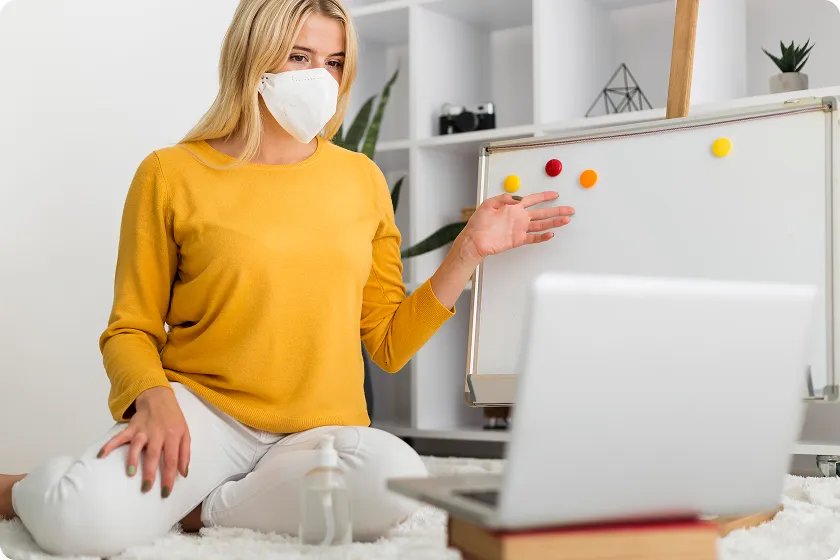
Microorganisms are living things too small to see without a microscope. They live in soil, water, food, on surfaces and inside our bodies. The vast majority are harmless, and many are essential to health. A small group, however, can make us sick. These harmful microorganisms, also called pathogens, cause illnesses ranging from a mild cold to life-threatening infections.
This guide explains the main types of pathogens, how they spread, the difference between an infection and a disease, and ten practical facts that help you lower your risk every day.
Fact 1: Harmful Microorganisms Are Everywhere
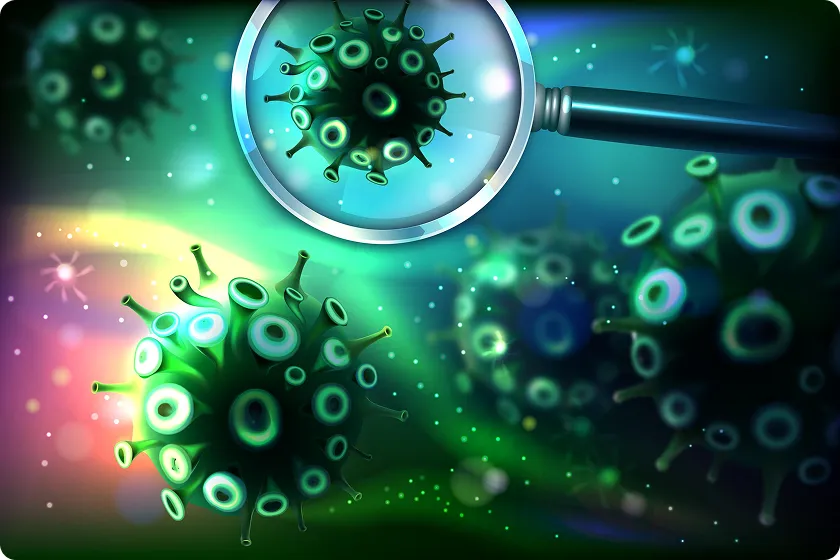
Pathogens fall into four main groups:
| Type | What It Is | Examples of Illness |
|---|---|---|
| Bacteria | Single-celled organisms that can multiply on their own | Strep throat, urinary tract infections, salmonella food poisoning, tuberculosis |
| Viruses | Tiny particles that can only multiply inside living cells | Colds, flu, COVID-19, norovirus, measles |
| Fungi | Yeasts and molds | Athlete's foot, thrush, some lung infections |
| Parasites | Organisms that live on or in a host | Malaria, giardia, tapeworms, head lice |
Table 1: The four main types of disease-causing microorganisms.
Are viruses microbes? Yes. They are usually grouped with microorganisms, although scientists debate whether they count as "alive" because they cannot reproduce outside a host cell.
Pathogens spread in several ways: through the air in droplets and tiny particles, by direct touch, via contaminated surfaces, in food and water, through blood and body fluids, and through bites from insects such as mosquitoes and ticks.
Fact 2: Not All Microorganisms Are Harmful

Trillions of bacteria live in the human gut, on the skin and in the mouth. This community, called the microbiome, helps digest food, produces some vitamins, trains the immune system and crowds out harmful invaders. Microbes are also used to make yogurt, cheese, bread and many medicines.
Problems arise when a pathogen enters the body, when normally harmless microbes end up in the wrong place, or when the immune system is weakened. Overusing antibiotics can upset the microbiome and encourage antibiotic resistance, so take them only when prescribed and exactly as directed. For a closer look at how the body fights back, see our guide to innate and adaptive immunity.
Fact 3: Hand Hygiene Saves Lives

Clean hands are one of the simplest ways to stop germs from spreading. The CDC recommends:
- Wet your hands with clean running water.
- Lather with soap, including the backs of hands, between fingers and under nails.
- Scrub for at least 20 seconds.
- Rinse well.
- Dry your hands on a clean towel or let them air-dry under a hand dryer.
Key moments to wash are before you cook or eat, after a trip to the bathroom or a diaper change, after you blow your nose, and after handling pets, other animals or trash. If you can't get to a sink, an alcohol-based sanitizer with 60% alcohol or more is the next best option. Sanitizer does not remove all germs, though. Soap and water work better against norovirus and on visibly dirty hands, and C. difficile spores resist alcohol, so follow your care team's hand hygiene advice if someone at home has this infection. Our articles on norovirus and C. diff infection symptoms explain these germs in more detail.
Fact 4: Food Safety Is Crucial

Every year, millions of Americans get sick from contaminated food. Four simple habits cut the risk:
- Clean: wash hands, utensils and surfaces often.
- Separate: keep raw meat, poultry, seafood and eggs away from ready-to-eat foods.
- Cook: use a food thermometer. Cook poultry to 165°F (74°C), ground meats to 160°F (71°C), and whole cuts of beef, pork, veal and lamb to 145°F (63°C) followed by a 3-minute rest. Egg dishes need 160°F (71°C), and reheated leftovers need 165°F (74°C).
- Chill: set the fridge no warmer than 40°F (4°C), and get leftovers into it within 2 hours (1 hour when it is hotter than 90°F, or 32°C).
Fact 5: Vaccines Provide Targeted Protection
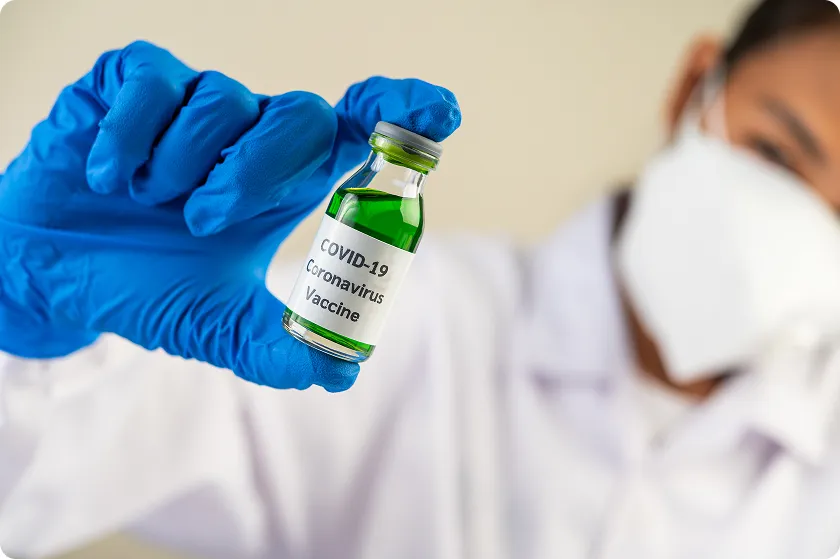
A vaccine teaches your immune system to spot one particular germ, without you having to get sick from it first. They protect against diseases such as measles, whooping cough, tetanus, hepatitis B, HPV, pneumococcal disease, influenza and COVID-19. Vaccination also protects people who cannot be vaccinated by reducing community spread. Check with your doctor or pharmacist that your vaccines are up to date, especially before travel. Older adults can find guidance in our article on flu vaccines for seniors.
Fact 6: Avoid Touching Your Face

Your eyes, nose and mouth are easy entry points for germs carried on your fingers. Try to keep your hands away from your face, especially in public places, and wash or sanitize your hands before touching your eyes or putting in contact lenses.
Fact 7: Disinfect Common Surfaces
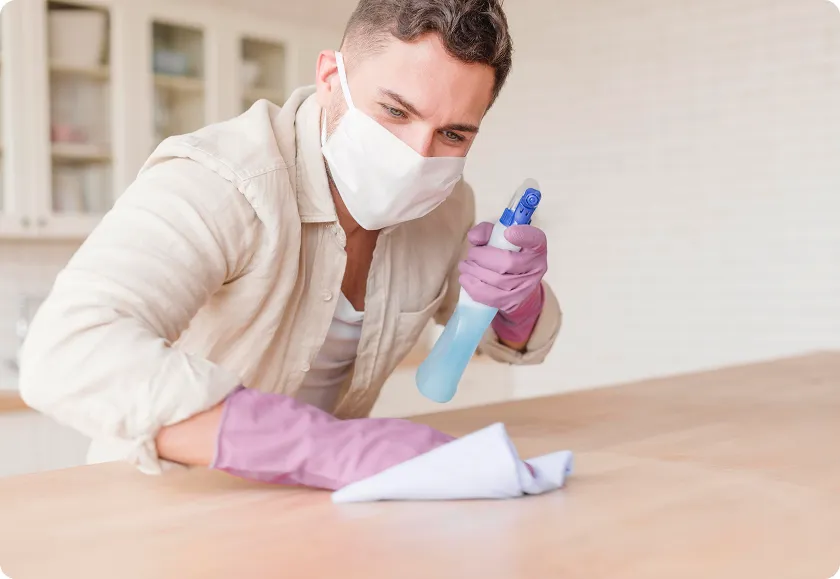
Some germs survive on surfaces for hours or days. Soap and water lift away grime along with many germs; a disinfectant then destroys most of what is left.
- Focus on high-touch surfaces: doorknobs, light switches, faucets, phones, remote controls and counters.
- Disinfect more often when someone at home is sick.
- Follow the product label, including how long the surface must stay wet.
- Do not combine bleach with ammonia or any other cleaning product, because the mixture can release poisonous fumes. If products get mixed by accident and you smell fumes, leave the room, get to fresh air and do not try to clean it up while exposed.
Fact 8: Know the Difference Between Infection and Disease

An infection happens when a pathogen enters the body and begins to multiply. A disease develops when that infection damages tissues or disrupts how the body works, producing symptoms. Not every infection becomes a disease. Some people carry a pathogen without feeling ill yet can still pass it on. Whether illness develops depends on the type and amount of the germ and on the person's immune defenses, age and health.
Fact 9: Airborne and Vector Precautions

Viruses that cause colds, flu and similar illnesses travel in droplets and finer particles in the air. Ways to cut your risk include:
- Catching coughs and sneezes in a tissue or the crook of your elbow
- Keeping away from work, school and gatherings while ill
- Letting in fresh air and running an air purifier indoors
- Wearing a snug mask in busy indoor spaces when illness is circulating, or whenever your own risk is higher
Vectors are animals, mainly insects such as mosquitoes and ticks, that pass germs to people. Protect yourself with an EPA-registered repellent containing an ingredient such as DEET, picaridin or oil of lemon eucalyptus. Cover your arms and legs where bites are likely, empty containers that collect standing water near your home, and look yourself over for ticks after walking through long grass or woods.
Fact 10: Healthy Lifestyle Supports Immunity

No food or supplement makes you immune to infection, but everyday habits help your immune system work well:
- Eat a varied diet rich in fruit, vegetables, whole grains and lean proteins.
- Get regular physical activity.
- Give yourself seven to nine hours of sleep each night.
- Avoid smoking and limit alcohol.
- Manage chronic conditions such as diabetes.
Our guide to sleeping remedies to improve deep sleep offers tips for better rest.
Quick Prevention Checklist
- Scrub with soap for 20 seconds or longer
- Keep alcohol-based sanitizer in your bag
- Cook food thoroughly and refrigerate leftovers quickly
- Stay current with recommended vaccines
- Wipe down and disinfect frequently touched surfaces
- Cover coughs and rest at home when unwell
- Apply repellent in places where mosquitoes or ticks are active
- Take antibiotics only when prescribed
When to See a Doctor
See a doctor if you have:
- A fever above 103°F (39.4°C), or any fever lasting more than three days
- Diarrhea lasting more than two days, or with blood
- Signs of dehydration, such as very little urine, dry mouth or dizziness on standing
- A wound that becomes red, warm, swollen or painful, or drains pus
- A rash with fever, or an infection that keeps returning
Emergency: Call 911 (or your local emergency number) if you have trouble breathing, chest pain, confusion, a stiff neck with severe headache and fever, a rapidly spreading rash or skin redness, seizures, or signs of sepsis such as a very fast heartbeat, clammy skin and extreme weakness.
Conclusion
Harmful microorganisms, including bacteria, viruses, fungi and parasites, are part of everyday life, but most infections can be prevented with simple habits. Wash your hands well, handle food safely, stay up to date with vaccines, clean shared surfaces, protect yourself from airborne germs and insect bites, and support your immune system with healthy routines. Knowing when to seek care helps catch serious infections early.
Sources
- About Handwashing (CDC)
- Four Steps to Food Safety (CDC)
- Safe Minimum Internal Temperature Chart (FoodSafety.gov)
- Infections (MedlinePlus)
- Antimicrobial Resistance (World Health Organization)
FAQ
1. What are harmful microorganisms called?
Microorganisms that cause disease are called pathogens. The main types are bacteria, viruses, fungi and parasites.
2. What is the difference between an infection and a disease?
An infection means a pathogen has entered the body and is multiplying. It becomes a disease when it damages the body and causes symptoms.
3. How long should you wash your hands?
Lather with soap and scrub for 20 seconds or more, rinse, then dry your hands on a clean towel or under an air dryer.
4. Does hand sanitizer kill all germs?
No. Sanitizer with at least 60% alcohol works against many germs but is less effective against norovirus, C. difficile and on visibly dirty hands.
5. Are all bacteria harmful?
No. Most bacteria are harmless, and many in the gut and on the skin help with digestion and immune defense.
About the author

Health Researcher and Writer
Haider Nadeem is a health researcher and the writer behind Healthy Eats Guide. He writes about health problems he faces or sees people around him face, and turns careful research into practical guides. Articles are researched and drafted with AI assistance, then fact-checked and edited by Haider using cited sources such as USDA, NIH, and peer-reviewed research.
Related blogs

Mounjaro Fatigue: 5 Essential Facts to Know
Mounjaro fatigue explained: what the FDA label says, 5 key facts about tirzepatide tiredness, common causes like low intake and dehydration, and when to seek care.
9 min read

Exdensur for Asthma: 7 Essential Facts to Know
Exdensur for asthma explained: how depemokimab works, who qualifies, the twice-yearly dosing schedule, trial results, side effects and its nasal polyp status.
10 min read

Inluriyo for Breast Cancer: 6 Essential Facts to Know
Inluriyo for breast cancer: who qualifies, how imlunestrant works, the 400 mg daily dose, ESR1 testing, side effects, cost factors and warning signs.
10 min read
Newsletter
Get practical nutrition guides in your inbox
Clear food-by-food advice and diet tips for everyday eating — no spam, unsubscribe anytime.