
Can You Get Norovirus Twice? 7 Essential Facts to Know
Can you get norovirus twice? Yes. Learn why reinfection happens, first symptoms, home care, testing, when to see a doctor and how to prevent spread.
Introduction

Norovirus is the "stomach bug" behind sudden vomiting and diarrhea that can sweep through homes, schools, cruise ships and care homes. If you have had it before, you may wonder: can you get norovirus twice? The short answer is yes. Repeat infections are common over a lifetime, and a second bout can even arrive within a single winter.
This guide explains why reinfection happens, what the first symptoms look like, how to care for yourself at home, when testing is used, who needs a doctor, and the daily habits that make you less likely to pick up or pass on the virus.
What Is Norovirus?
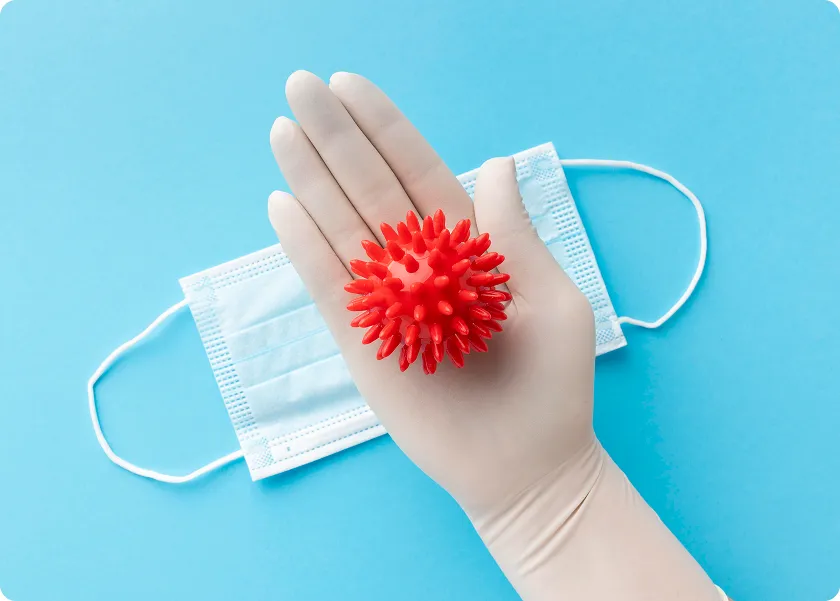
Norovirus is a highly infectious virus that inflames the stomach and intestines, a condition called acute gastroenteritis. In the United States, it is the top cause of foodborne illness that brings on vomiting and diarrhea (CDC). People often nickname it "stomach flu," yet it has nothing to do with the influenza virus.
The virus spreads when tiny particles from an infected person's vomit or stool get into another person's mouth. This can happen through:
- Close contact with someone who is sick, such as caring for them or sharing food or utensils
- Swallowing food or drinks that carry the virus
- Handling a surface with virus on it, then putting your fingers to your mouth
- Eating oysters or other shellfish that are raw or undercooked and came from polluted water
Only a very small number of virus particles is needed to make someone ill, which is why outbreaks spread so fast.
Can You Get Norovirus Twice?
Yes. Norovirus is really a large family of related viruses, and beating one strain gives you little or no defense against the others. Scientists also do not yet know how many months or years your immunity to a given strain holds up (CDC).
New variants have emerged periodically, and some have caused larger outbreaks because few people had immunity to them, though not every new variant does. So even if you had norovirus last winter, you could catch it again this year.
7 Essential Facts About Repeat Norovirus Infections
1. There Are Many Types of Norovirus
Norovirus is a group of related viruses divided into several genogroups and many genotypes. Immunity to one does not reliably protect against another.
2. Immunity Wears Off
Whatever defense your body builds after an episode seems to weaken with time. Because nobody knows exactly how long it lasts, catching the very same strain again is possible.
3. Symptoms Can Vary Between Infections
One episode may be mild and another severe. Typical symptoms include:
- Diarrhea
- Vomiting
- Nausea
- Stomach pain or cramps
Some people also have a low fever, headache or body aches.
4. Some Groups Are More Vulnerable
The people most likely to become seriously dehydrated and to need a doctor or hospital are children younger than 5, older adults and anyone whose immune system is weakened (CDC).
5. You Can Spread It After You Feel Better
You spread the virus most easily while ill and for a few days afterward, yet it can keep showing up in stool for two weeks or longer once you feel well. Careful handwashing must continue after symptoms stop.
6. Gels Alone Will Not Protect You
Alcohol gels are weak against norovirus. Your best defense is a thorough soap-and-water handwash lasting 20 seconds or more, above all after a bathroom visit or a diaper change, and before you cook or eat.
7. Ordinary Cleaning Often Falls Short
The virus is tough: it can linger on counters, handles and toilets for days and shrugs off many everyday household sprays. Once someone has been sick, put on disposable gloves, clean up the mess, and disinfect it with a chlorine bleach solution or a disinfectant labeled as effective against norovirus. Launder dirty clothes and bedding on the longest hot wash, then tumble-dry them hot.
| Fact | Why It Matters |
|---|---|
| Many types exist | One infection does not protect against all types |
| Protection fades | You can catch the same type again later |
| Spread continues after recovery | Keep washing hands for at least 2 weeks |
| Sanitizer is less effective | Soap and water are better |
| Virus survives on surfaces | Use bleach-based or norovirus-approved disinfectants |
Table 1: Key facts about norovirus reinfection and spread.
Early Signs and How Soon They Start
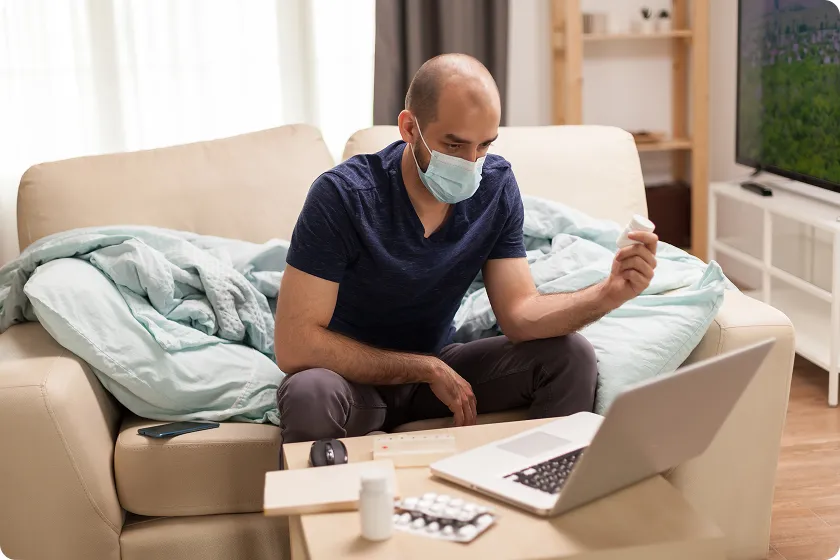
Most people start to feel ill somewhere between half a day and two days after picking up the virus. The illness tends to hit abruptly, with nausea and vomiting, followed by watery diarrhea and stomach cramps. For the majority, the worst is over in one to three days (CDC).
Common first signs include:
- Sudden nausea
- Vomiting, sometimes forceful
- Watery, non-bloody diarrhea
- Stomach cramps
- Feeling tired, achy or slightly feverish
Home Treatment Tips
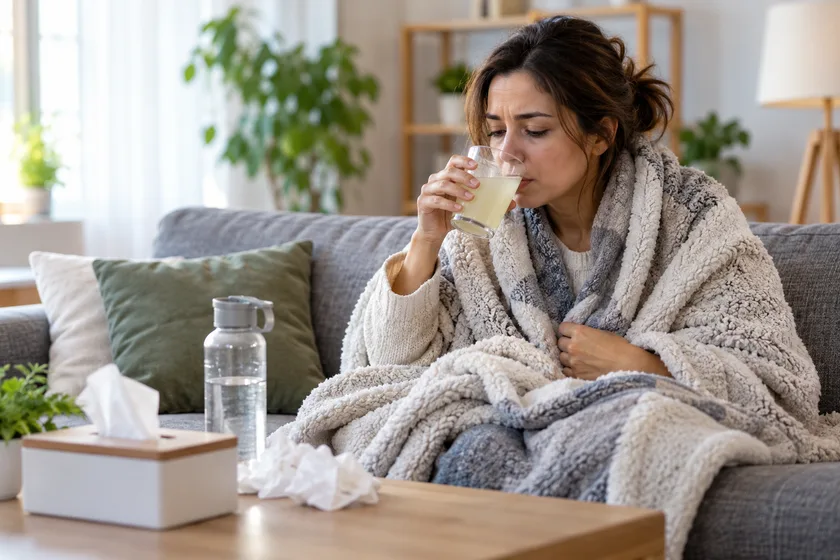
There is no specific medicine that cures norovirus, and antibiotics do not work because it is a virus. Treatment focuses on preventing dehydration while your body clears the infection (NHS).
a) Stay Hydrated
- Take small, frequent sips of water.
- Oral rehydration solution, sold in pharmacies, restores both water and salts, and it is the best choice for young children and older adults.
- Avoid alcohol and limit caffeine.
- Sports drinks may help adults with mild illness but are not a substitute for oral rehydration solution in severe cases.
b) Eat When You Feel Ready
You do not need to stop eating. Start with plain foods such as toast, crackers, rice, bananas or soup, and return to your normal diet as your appetite comes back.
c) Rest
Rest helps your body recover. Most adults can manage at home.
d) Avoid Spreading the Virus
- Stay home for at least 48 hours after symptoms stop.
- Do not prepare food for others while sick and for at least 48 hours after symptoms stop.
- Use a separate bathroom if possible.
- Hold off on visiting anyone in hospital or a care home until two full days have passed without symptoms.
Check with a pharmacist before reaching for any medicine to stop diarrhea or vomiting, and be especially careful with children.
Is There a Test for Norovirus?

Most people do not need a test, because the illness is short and the diagnosis is based on symptoms. Testing is mainly used during outbreaks or for people who are very ill, have a weakened immune system or have symptoms that last longer than expected.
| Test | How It Works | When It Is Used |
|---|---|---|
| RT-PCR stool test | Detects norovirus genetic material in a stool sample | The most common lab test, used in outbreaks and serious illness |
| Multiplex gastrointestinal panel | Checks one stool sample for several viruses, bacteria and parasites | When the cause of diarrhea is unclear |
| Antigen tests | Detect virus proteins in stool | Sometimes used in outbreak screening; less sensitive than PCR |
Table 2: Common norovirus testing methods.
Long-Term Effects of Norovirus

For most healthy people, norovirus causes no lasting harm. The main risk is dehydration, which can be serious for young children, older adults and people with other health problems. People with weakened immune systems, such as transplant recipients, can develop chronic norovirus infection that lasts weeks or months. A small number of people notice changes in bowel habits for a while after any gastroenteritis.
If you have frequent gut symptoms, our guide to GERD relief may help you tell reflux symptoms apart from infection.
Daily Prevention Checklist
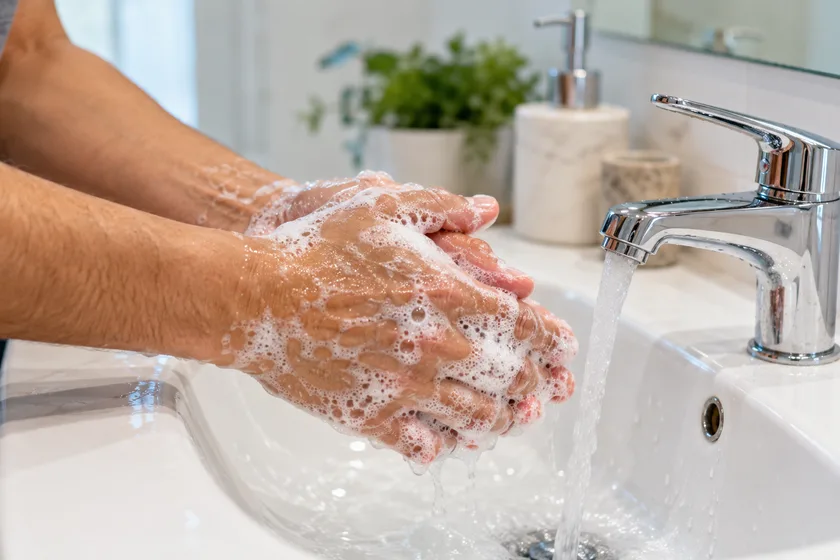
There is currently no approved norovirus vaccine, although several are being studied. You can cut your chances of catching it with a few routines:
- Scrub your hands with soap under running water for a minimum of 20 seconds, above all after using the bathroom and before meals.
- Wash fruits and vegetables before eating.
- Cook oysters and other shellfish thoroughly.
- Clean and disinfect surfaces after illness with a bleach solution or norovirus-approved disinfectant.
- Put any clothing or bedding with vomit or stool on it straight into a hot wash.
- Keep away from work, school or daycare while you are sick and for two days once symptoms have ended.
- Avoid preparing food for others while sick.
When to See a Doctor
Contact a doctor, urgent care or your local health advice line if:
- You or your child show signs of dehydration, such as very little urine, a dry mouth, dizziness when standing, or no tears when crying
- A baby or young child has diarrhea or vomiting and is unusually sleepy or not feeding
- Vomiting stops you from keeping any fluids down
- Diarrhea lasts longer than 7 days or vomiting lasts longer than 2 days
- You are older, pregnant or have a weakened immune system or a long-term condition such as kidney disease
- You notice blood in your stool or vomit
Emergency: Call 911 (or your local emergency number) for confusion, fainting, a stiff neck, severe stomach pain, vomit that looks green or like coffee grounds, or signs of severe dehydration such as passing little or no urine, very dark urine, dizziness, a very dry mouth or unusual sleepiness.
Conclusion
You can get norovirus twice, and many more times, because there are many types of the virus and protection does not last. Most people recover in 1 to 3 days with fluids and rest, but children, older adults and people with weakened immune systems need extra care. Wash your hands with soap and water, disinfect properly, stay home for 48 hours after symptoms stop and seek medical advice if dehydration develops.
Sources
- About Norovirus (CDC)
- Norovirus (Vomiting Bug) (NHS)
- Norovirus Infections (MedlinePlus)
- How to Prevent Norovirus (CDC)
FAQ
1. Can you get norovirus twice in one year?
Yes. Because so many strains circulate and one infection protects poorly against the rest, a second illness in the same year or season is entirely possible.
2. How long after exposure to norovirus do you get sick?
Illness typically begins between 12 and 48 hours after you are exposed.
3. How long are you contagious with norovirus?
Spread is most likely during the illness and the days right after it, but the virus may remain in stool for at least two weeks, so careful handwashing should continue.
4. Does hand sanitizer kill norovirus?
Alcohol-based sanitizer does not work well against norovirus. Soap, water and a good 20 seconds of scrubbing work far better.
5. Do antibiotics help norovirus?
No. Norovirus is a virus, so antibiotics do not help. Treatment focuses on fluids and rest.
6. Is there a vaccine for norovirus?
Not yet. Several norovirus vaccines are being studied, but none is approved for general use.
About the author

Health Researcher and Writer
Haider Nadeem is a health researcher and the writer behind Healthy Eats Guide. He writes about health problems he faces or sees people around him face, and turns careful research into practical guides. Articles are researched and drafted with AI assistance, then fact-checked and edited by Haider using cited sources such as USDA, NIH, and peer-reviewed research.
Related blogs

Mounjaro Fatigue: 5 Essential Facts to Know
Mounjaro fatigue explained: what the FDA label says, 5 key facts about tirzepatide tiredness, common causes like low intake and dehydration, and when to seek care.
9 min read

Exdensur for Asthma: 7 Essential Facts to Know
Exdensur for asthma explained: how depemokimab works, who qualifies, the twice-yearly dosing schedule, trial results, side effects and its nasal polyp status.
10 min read

Inluriyo for Breast Cancer: 6 Essential Facts to Know
Inluriyo for breast cancer: who qualifies, how imlunestrant works, the 400 mg daily dose, ESR1 testing, side effects, cost factors and warning signs.
10 min read
Newsletter
Get practical nutrition guides in your inbox
Clear food-by-food advice and diet tips for everyday eating — no spam, unsubscribe anytime.