
Innate and Adaptive Immunity: 6 Essential Facts
Innate and adaptive immunity explained: 6 essential facts on your first-line defenses, T and B cells, immune memory, vaccines and the habits that support them.

Introduction

Have you ever wondered why you still get sick even though your body is built to protect you? Every day you meet bacteria, viruses, fungi, and other germs, yet most of the time your immune system keeps them in check. Understanding innate and adaptive immunity can help you make better health decisions and see why everyday habits and vaccines matter.
In this guide, you will learn how your body's fast, built-in defenses work, how it builds targeted long-term protection, and practical ways to support both. By the end, you will understand six essential facts that explain how your immune system keeps you healthy and what can throw it off balance.
Why Innate and Adaptive Immunity Matter

The immune system does far more than fight off colds and flu. It is a network of organs, cells, and proteins working together to shield you from harmful invaders while keeping the inside of your body in balance. Problems appear when this system becomes too weak, as with some medicines and medical conditions, or too active, as with allergies and autoimmune disease.
Scientists describe two connected branches. Innate immunity is the defense you are born with, and it reacts within minutes to hours. Adaptive immunity, also called acquired immunity, develops over your lifetime and learns to target specific germs. Knowing how the two branches work helps explain why healthy habits matter, why vaccines are so effective, and why some immune disorders occur.
1. Innate Immunity Is Your First Line of Defense
Innate immunity is the body's built-in protection system. It responds right away when harmful organisms try to enter, and it does not need previous exposure to a germ to act.
Examples of innate immunity include:
- Skin and mucous membranes that form physical barriers
- Tears, saliva, and mucus that trap and wash away microbes
- Stomach acid that kills many swallowed germs
- Neutrophils, macrophages, and other white blood cells that swallow up invaders
- Natural killer cells that destroy infected cells
- Complement proteins in the blood that help mark and break down germs
This protection is called a nonspecific immune response because it reacts in a similar way to many different threats. It is fast and powerful, but it does not remember a germ it has fought before.
2. Adaptive Immunity Learns and Remembers
Adaptive immunity develops over time and creates targeted responses against specific pathogens. Acquired immunity refers to protection gained after exposure to a germ or through vaccination. It depends mainly on T cells and B cells, two kinds of white blood cells that carry receptors that recognize specific parts of a germ called antigens.
The CDC explains that vaccines teach the immune system to recognize and fight a disease without you having to get sick first. Adaptive immunity has memory, which allows the body to respond faster and more strongly the next time it meets the same germ.
| Feature | Innate Immunity | Adaptive Immunity |
|---|---|---|
| Response Time | Immediate | Slower initially |
| Specificity | General response | Specific response |
| Memory | No | Yes |
| Present at Birth | Yes | Develops over time |
| Main Role | Early defense | Long-term protection |
Table 1: Comparing Innate and Adaptive Immunity
3. The Immune System Uses Multiple Layers of Protection
Many people think immunity works as a single mechanism, but it actually functions in layers. The first layer is made up of physical and chemical shields, including your skin, mucus, and stomach acid. If germs get past them, innate cells and inflammation form a second layer that tries to contain the threat. Adaptive immunity is the third, most targeted layer, and it usually takes several days to get fully started during a first infection.
Examples include:
- Skin prevents germs from entering
- Inflammation brings immune cells and fluid to an injured or infected area
- White blood cells attack germs and infected cells
- Fever may make conditions less favorable for some pathogens and can speed up certain immune responses, although fever is a symptom rather than a treatment, it is uncomfortable, and very high or long-lasting fevers need medical attention
How Innate and Adaptive Immunity Work Together
Although innate and adaptive immunity are different, they constantly communicate and support each other. Innate cells called dendritic cells pick up pieces of a germ and carry them to the lymph nodes, where they show them to T cells. This step switches on the adaptive response. In return, antibodies and T cells help innate cells find and clear germs more efficiently. This teamwork explains why some infections are controlled quickly while others take time to overcome.
4. Cellular and Humoral Immunity Have Different Jobs
Adaptive immunity includes two major branches, cellular immunity and humoral immunity. Cellular immunity relies on T cells. Helper T cells coordinate the response, and cytotoxic T cells directly destroy infected cells. Humoral immunity relies on B cells, which mature into plasma cells that release antibodies into the blood and body fluids.
For example, during a viral infection:
- Helper T cells recognize the virus and send signals that activate other immune cells.
- Cytotoxic (killer) T cells seek out infected cells and kill them.
- B cells produce antibodies that latch onto the virus and neutralize it.
- Memory T cells and memory B cells remain for future protection.
5. The Primary Immune Response Builds Future Protection
The primary immune response happens when the body meets a pathogen for the first time. Because the adaptive system has no previous experience with that invader, it needs time to select and multiply the right T and B cells. Antibody levels generally rise over several days and may peak around one to two weeks after a first exposure, although the timing varies with the germ, the type of antibody, and the person. Early IgM antibodies can appear within about 3 to 5 days.
Afterward, memory cells stay in the body, sometimes for years or decades. If the same pathogen returns, this secondary response is faster and stronger, often clearing the germ before you feel sick. This principle explains why vaccines are so effective and why active acquired immunity can provide long-lasting protection. The type, strength, and length of protection vary from vaccine to vaccine. Some vaccines need boosters because protection fades over time or because germs such as flu viruses change from year to year.
| Stage | What Happens |
|---|---|
| Exposure | Pathogen enters the body |
| Recognition | Immune cells identify the threat |
| Response | Antibodies and immune cells attack |
| Recovery | Infection clears |
| Memory Formation | Long-term protection develops |
Table 2: Stages of the Primary Immune Response
6. Immune Balance Is Essential for Good Health
A healthy immune system needs balance. A weak immune response raises the risk of frequent or severe infections, while an overactive response can damage healthy tissues. Many people ask what causes an overactive immune system. Common factors include:
- Genetics and family history
- Autoimmune conditions, for example lupus, rheumatoid arthritis, and type 1 diabetes
- Allergies, where the body overreacts to harmless substances such as pollen
- Chronic inflammation
- Environmental triggers such as infections, smoking and some chemicals
In some conditions, antibodies bind to antigens and form clusters called immune complexes. When these clusters build up in tissues such as the kidneys, joints, or blood vessels, they can trigger inflammation. This process plays a role in diseases such as lupus. Learn about the signs of lupus.
Supportive Habits That Strengthen Immunity

Understanding immunity is most useful when you can apply it in daily life. There is no one food or pill that strengthens immunity by itself, but several habits support both innate and adaptive immune function.
Eat a Nutrient-Rich Diet
Many people ask how they can make their immune system strong. A balanced diet plays a major role. Focus on:
- Fruits and vegetables
- Lean protein from beans, fish, and poultry
- Whole grains
- Healthy fats from nuts and olive oil
The NIH Office of Dietary Supplements notes that running low on zinc or on vitamins A, C, and D can weaken immune responses. A varied diet covers what most people need, and supplements are best used when a clinician confirms a deficiency. For ideas, see our list of anti-inflammatory foods.
Get Enough Sleep
Sleep is when the body repairs itself and regulates immune activity. Adults should aim for at least seven hours of sleep a night, the CDC advises, and children and teens need more. Short sleep has been linked with a higher risk of catching colds and other infections. Our sleep hygiene checklist offers simple ways to rest better.
Stay Physically Active
Regular exercise improves circulation and supports healthy immune cell function. US guidelines recommend that adults get 150 minutes or more of moderate exercise like brisk walking every week, plus muscle-strengthening activity on two or more days. These are general guidelines for overall health rather than a guarantee of stronger immunity, and individual needs vary.
Stay Up to Date on Vaccines
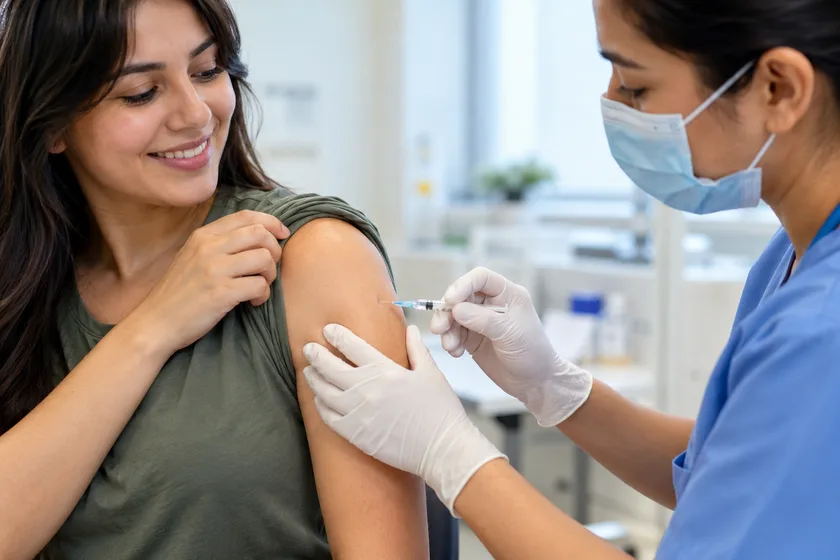
Vaccines are the safest way to build adaptive immunity against serious infections without having to survive the illness first. Check with your doctor about which vaccines make sense for your age, health, and travel plans, including the yearly flu shot. Older adults can learn more about flu vaccines for seniors.
Manage Stress and Avoid Smoking
Long-term stress raises hormones such as cortisol that can dampen immune responses over time. Smoking damages the lining of the airways and weakens their ability to clear germs. Relaxation techniques, social connection, and quitting tobacco all support healthier immune function.
When to See a Doctor
Most colds and minor infections clear up on their own, but some signs suggest your immune system may need a closer look. Talk to a healthcare provider if you have:
- Infections that keep coming back, such as frequent pneumonia, sinus infections or ear infections
- Infections that need repeated antibiotics or do not respond to treatment
- Wounds that heal very slowly
- Unexplained fevers, weight loss, or swollen lymph nodes that last more than two weeks
- Joint pain, rashes, or fatigue that could point to an autoimmune condition
- A family history of immune deficiency
Call 911 (or your local emergency number) for trouble breathing, a stiff neck with high fever, confusion, or signs of a severe allergic reaction like a swollen face or throat. Blood tests ordered by your doctor can measure white blood cell counts, antibody levels, and other markers of immune health.
Conclusion
Understanding innate and adaptive immunity helps you appreciate the remarkable ways your body protects itself. Innate immunity provides fast, general protection through barriers, inflammation and white blood cells. Adaptive immunity builds slower but targeted defenses through T cells, B cells and antibodies, and it remembers germs for the future. Concepts such as cellular immunity, humoral immunity, the primary immune response and active acquired immunity explain why vaccines work and why healthy habits matter.
By supporting your immune system with good nutrition, enough sleep, regular activity, recommended vaccines and stress management, you can help keep both branches working well and protect your long-term health.
Sources
- The innate and adaptive immune systems (InformedHealth.org, NCBI Bookshelf)
- Immune System: Parts and Common Problems (Cleveland Clinic)
- Explaining How Vaccines Work (CDC)
- Immune System and Disorders (MedlinePlus)
- Dietary Supplements for Immune Function and Infectious Diseases (NIH Office of Dietary Supplements)
FAQ
1. How can we strengthen our immune system?
Eat a balanced diet, exercise regularly, get seven or more hours of sleep, manage stress, avoid smoking, and stay up to date with recommended vaccines. No single food or supplement can boost immunity on its own.
2. How can you tell if your immune system is weak?
Frequent or severe infections, infections that keep returning, slow wound healing and needing repeated antibiotics may point to an immune problem. Your doctor can confirm this with blood tests.
3. Why do we get sick even with an immune system?
Some germs are new to the body, highly infectious or able to overwhelm the innate defenses before the adaptive response is fully ready. That first adaptive response often takes around one to two weeks to peak, although the timing varies.
4. What causes an overactive immune system?
Genetics, autoimmune conditions, allergies, infections and environmental factors can trigger excessive immune responses. These may damage healthy tissues and cause chronic inflammation.
5. What is the main difference between innate and adaptive immunity?
Innate immunity is present from birth, acts within minutes to hours and responds the same way to many germs. Adaptive immunity develops over time, targets specific germs and keeps a memory that speeds up future responses.
About the author

Health Researcher and Writer
Haider Nadeem is a health researcher and the writer behind Healthy Eats Guide. He writes about health problems he faces or sees people around him face, and turns careful research into practical guides. Articles are researched and drafted with AI assistance, then fact-checked and edited by Haider using cited sources such as USDA, NIH, and peer-reviewed research.
Related blogs

Mounjaro Fatigue: 5 Essential Facts to Know
Mounjaro fatigue explained: what the FDA label says, 5 key facts about tirzepatide tiredness, common causes like low intake and dehydration, and when to seek care.
9 min read

Exdensur for Asthma: 7 Essential Facts to Know
Exdensur for asthma explained: how depemokimab works, who qualifies, the twice-yearly dosing schedule, trial results, side effects and its nasal polyp status.
10 min read

Inluriyo for Breast Cancer: 6 Essential Facts to Know
Inluriyo for breast cancer: who qualifies, how imlunestrant works, the 400 mg daily dose, ESR1 testing, side effects, cost factors and warning signs.
10 min read
Newsletter
Get practical nutrition guides in your inbox
Clear food-by-food advice and diet tips for everyday eating — no spam, unsubscribe anytime.