
Sublingual Immunotherapy: 7 Allergens, Tablets and Drops
Sublingual immunotherapy explained: how allergy tablets and drops work, FDA-approved options, drops vs shots, side effects, who qualifies and how long it takes.

Introduction

Antihistamines and nasal sprays calm allergy symptoms, but they do not change how your immune system reacts. Allergen immunotherapy does. By exposing the body to small, regular doses of an allergen, it gradually teaches the immune system to tolerate it. For decades this meant a series of allergy shots. Sublingual immunotherapy (SLIT) delivers the allergen as a tablet or liquid drops placed under the tongue, usually taken at home.
This guide explains how SLIT works, how it compares with shots, the seven allergen groups most often treated, what the evidence shows for each, and what to expect from side effects and treatment length.
Why Sublingual Drops Matter
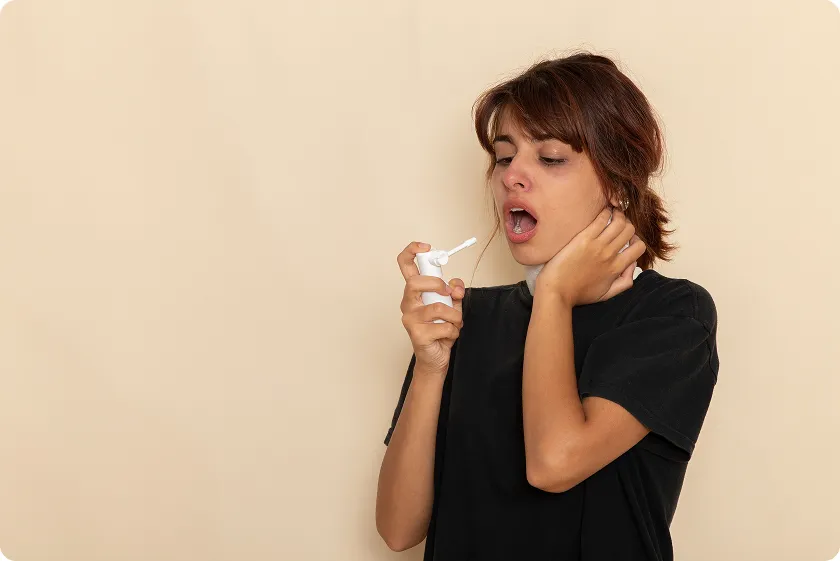
For people with allergic rhinitis (hay fever) who still struggle despite medicines, immunotherapy can reduce symptoms, cut medicine use and provide benefits that last after treatment ends. SLIT is attractive because:
- There are no needles.
- After the first supervised dose, it is taken at home.
- Serious reactions are rarer than with shots.
- It suits people who cannot easily attend frequent clinic visits.
The trade-off is commitment. SLIT works only if taken every day, usually for three years, to give long-lasting results.
Shots vs. Drops
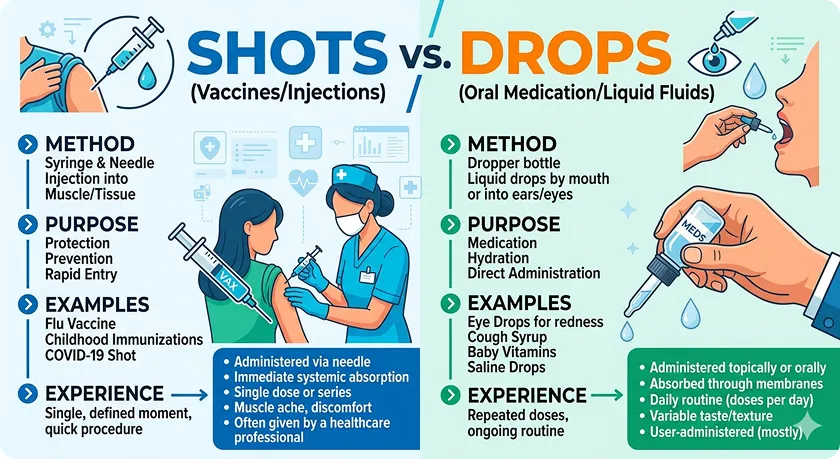
| Feature | Allergy Shots (SCIT) | Sublingual Tablets or Drops (SLIT) |
|---|---|---|
| How given | Injection in the upper arm | Dissolved under the tongue |
| Where | Clinic, with 30 minutes of monitoring after each shot | First dose in clinic, then at home |
| How often | Weekly during build-up, then about monthly | Daily |
| Allergens covered | Many allergens can be mixed in one treatment | US-approved tablets cover one allergen each |
| Common side effects | Redness and swelling at the injection site | Itching or swelling in the mouth or throat, stomach upset |
| Serious reactions | Rare but more likely than with SLIT | Very rare |
| Typical course | 3 to 5 years | At least 3 years for lasting effect |
Table 1: How allergy shots and sublingual immunotherapy compare.
In the United States, the FDA has approved four sublingual tablets: Grastek, Oralair, Ragwitek and Odactra. Liquid sublingual drops are prescribed by some allergists using extracts licensed for injection, but drops are not FDA-approved for under-the-tongue use, so this is off-label and dosing varies. Our article on allergy injection treatment explains the shot option in more detail.
7 Essential Sublingual Allergy Drops
Below are the allergen groups most often considered for SLIT, with the evidence and product status for each.
1. Grass Pollen (5-Grass Mix: Oralair, Grazax)
Grass pollen has the strongest evidence for SLIT. Grastek (Timothy grass, sold in Europe as Grazax) and Oralair (a mix of five grasses) are FDA-approved for people aged 5 to 65. Treatment should start at least 12 weeks before grass season. Taking Grastek daily for three years can provide continued benefit for a season after stopping.
2. Tree Pollen (Birch/Oak/Cedar)
No tree pollen tablet is FDA-approved. In parts of Europe, a tablet for birch-family tree pollen (Itulazax) has been approved. In the US, some allergists use off-label drops, though the evidence is more limited.
3. Ragweed & Weed Pollen (Ragwitek)
Ragwitek treats short ragweed allergy and is FDA-approved for ages 5 to 65. It is started at least 12 weeks before ragweed season and continued through it. Ragweed season is a common trigger of late-summer and fall symptoms of pollen allergies.
4. House Dust Mite (HDM: Acarizax)
Odactra (sold in Europe as Acarizax) treats dust mite allergic rhinitis. The FDA expanded its approval in February 2025 to include children aged 5 to 11, so it now covers ages 5 to 65. It is taken year-round. Learn how to cut exposure at home in our guide to dust allergy.
5. Cat Dander (Fel d 1 Extract)
There is no approved sublingual tablet for cat allergy. Some studies of cat SLIT drops show benefit, but results are less consistent than for pollen or dust mite. Allergy shots have stronger evidence for cat allergy. See our tips on pet dander allergy.
6. Dog Dander (Can f 1 Extract)
Dog allergen extracts vary widely in strength, and research on SLIT for dog allergy is limited. Reducing exposure, air filtration and medicines remain the main approach, with shots considered in selected cases.
7. Mold & Fungi (Alternaria, Aspergillus)
Evidence for SLIT against mold is small and mainly involves Alternaria. Aspergillus is generally not treated with immunotherapy, because it can cause different lung conditions that need specialist care. Ask an allergist whether mold immunotherapy is appropriate for you.
How SLIT Changes the Immune Response
Allergy symptoms happen when the immune system treats a harmless substance, such as pollen, as a threat and produces IgE antibodies against it. When the allergen lands in the nose or eyes, those antibodies trigger the release of histamine and other chemicals, causing sneezing, itching and congestion. During immunotherapy, steady low doses absorbed through the lining of the mouth encourage the body to make protective "blocking" antibodies and regulatory immune cells. Over months, this dampens the allergic response. That is why SLIT is not a quick fix: it is not designed to relieve symptoms on the day you take it, and the benefit builds slowly over the first year. Research in children with allergic rhinitis also suggests immunotherapy may lower the chance of later developing asthma, although more studies are needed.
Who Is a Good Candidate?
SLIT is usually considered for people who:
- Have allergic rhinitis confirmed by skin or blood testing
- Still have troublesome symptoms despite medicines, or want to reduce long-term medicine use
- Are allergic mainly to one or two allergens covered by an approved product
- Can commit to daily treatment for several years
It is not suitable for people with severe, unstable or uncontrolled asthma, and it may not be right for those with certain mouth conditions or eosinophilic esophagitis (EoE). People taking beta-blockers may respond poorly to epinephrine, so their doctor will weigh the risks carefully.
Tips for Successful SLIT

- Take the first dose in your allergist's office, where you will be observed for at least 30 minutes.
- Place the tablet under the tongue, let it dissolve and do not swallow for about a minute. Avoid food and drink for five minutes afterward.
- Take it at the same time each day so it becomes routine.
- Keep your epinephrine auto-injector with you and learn how to use it. The FDA labels for these tablets tell doctors to prescribe one, so it is a standard part of treatment, not an optional extra.
- Pause and call your allergist if you have mouth sores, dental surgery, a tooth extraction, or an asthma flare.
- Expect mild mouth itching or tingling in the first weeks. It usually fades.
- Keep taking your usual allergy medicines as needed, especially in the first season.
When to See a Doctor
Contact your allergist if you have:
- Mouth or throat swelling that is more than mild, or lasts longer than usual
- Heartburn, trouble swallowing or chest pain while on SLIT, which could suggest esophageal irritation
- Worsening asthma
- No improvement after a full season of treatment
Emergency: Call 911 (or your local emergency number) and use your epinephrine if you have trouble breathing, throat tightness, a hoarse voice, swelling of the tongue or face, widespread hives, dizziness or fainting after a dose. These can be signs of a severe allergic reaction, so learn more in our guide to biphasic anaphylaxis.
Conclusion
Sublingual immunotherapy offers a needle-free, at-home way to retrain the immune system for grass, ragweed and dust mite allergies, with good evidence and a strong safety record. For trees, pets and mold, options are more limited and often off-label in the US. Success depends on daily use over several years and close work with an allergist who can confirm your triggers and choose the right treatment.
Sources
- Allergen Extract Sublingual Tablets (FDA)
- FDA Roundup: February 28, 2025 (Odactra approval for ages 5 to 11)
- Grastek Prescribing Information (DailyMed)
- Sublingual Immunotherapy (SLIT) Allergy Tablets (American Academy of Allergy, Asthma and Immunology)
- Allergy Shots and Sublingual Immunotherapy (ACAAI)
FAQ
1. What is sublingual immunotherapy?
It is a form of allergy treatment in which small doses of an allergen are placed under the tongue daily to help the immune system build tolerance.
2. Are allergy drops FDA-approved?
Four sublingual tablets are FDA-approved: Grastek, Oralair, Ragwitek and Odactra. Liquid allergy drops are used off-label in the US.
3. How long does sublingual immunotherapy take to work?
Some people notice improvement in the first season, but daily treatment for about three years is usually needed for lasting benefit.
4. Is sublingual immunotherapy safer than allergy shots?
Serious reactions are rarer with SLIT, which is why it can be taken at home after the first dose, but an epinephrine auto-injector is still prescribed.
5. Can sublingual immunotherapy treat cat allergy?
No tablet is approved for cat allergy. Some studies of drops show benefit, but allergy shots have stronger evidence.
About the author

Health Researcher and Writer
Haider Nadeem is a health researcher and the writer behind Healthy Eats Guide. He writes about health problems he faces or sees people around him face, and turns careful research into practical guides. Articles are researched and drafted with AI assistance, then fact-checked and edited by Haider using cited sources such as USDA, NIH, and peer-reviewed research.
Related blogs

Biphasic Anaphylaxis: 7 Facts About the Second Reaction
Biphasic anaphylaxis is a second allergic reaction hours after the first one clears. Learn how often it happens, who is at risk, warning signs and how to stay safe.
9 min read

Allergy Attack: 9 Essential Throat Allergy Symptoms
Allergy attack throat symptoms: 9 signs from itchy throat to tightness, how to tell allergies from a cold, fast relief steps and when swelling needs emergency care.
13 min read

Winter Allergies: 8 Essential Facts About Night Allergies
Winter allergies explained: why dust mites, mold and pet dander flare when you stay indoors, why symptoms worsen at night and simple steps for relief.
11 min read
Newsletter
Get practical nutrition guides in your inbox
Clear food-by-food advice and diet tips for everyday eating — no spam, unsubscribe anytime.