
Pet Dander Allergy: 7 Essential Animal Allergy Symptoms
Pet dander allergy explained: seven common symptoms, why adults can suddenly react to a cat or dog, testing and treatment options, and ways to cut allergens at home.
Introduction

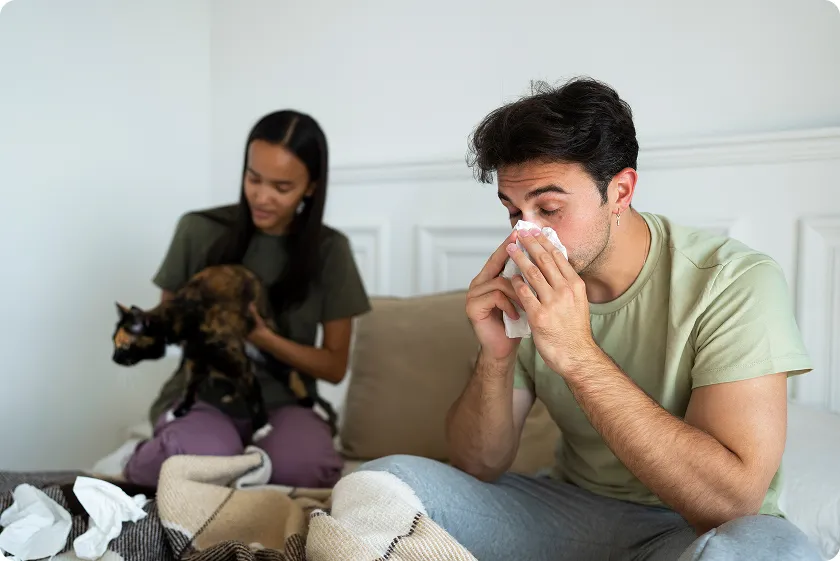
Living with a pet can be joyful, but for some, it comes with sneezes, itchy eyes, or congestion. A pet dander allergy occurs when the immune system overreacts to proteins in an animal’s skin flakes, saliva, or urine. These proteins cling to fur, feathers, and other surfaces, triggering a range of animal allergy symptoms similar to those of hay fever. Estimates suggest roughly 10 to 20% of people around the world have a cat or dog allergy, although figures vary by population and study method. Being sensitized to an animal allergen does not always mean having symptoms.
If you notice frequent sneezing, watery eyes, or a cough after pet exposure, it may indicate an allergic reaction to dog dander, cat dander, or other pet allergens. This article covers common pet allergy symptoms, explains why allergies may become noticeable in adulthood, and reviews evidence-based options for cat allergy treatment, prevention, and reducing allergens at home. By the end, you’ll know how to protect your health while enjoying your furry friends.
Why Animal Allergies Matter
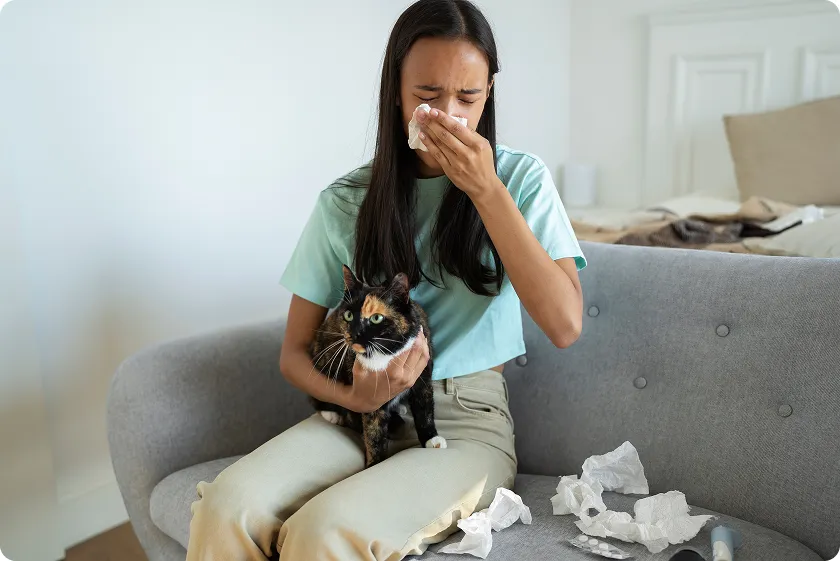
With about two thirds of U.S. households owning a pet, allergies to furred animals are common. Pet allergens are found in dander (dead skin cells), saliva, and urine, not the fur itself. Dander can linger in the air, on carpets, and on clothing, causing persistent discomfort for allergy sufferers.
For individuals with asthma or eczema, exposure can worsen symptoms. Chronic sneezing, itchy eyes, or congestion may disrupt daily life, interfere with sleep, and even trigger respiratory flare-ups. Understanding these pain points allows pet owners to take effective action through cleaning, medications, or environmental modifications.
Prevalence
Pet allergies are common in the U.S., and cat allergies are generally reported to be more common than dog allergies. Adults can develop allergies even if they previously tolerated pets, highlighting the importance of recognizing early signs.
Common Pet Allergens
Pet allergies are caused by proteins in animal dander, saliva, and urine. In cats, the main culprit is a protein called Fel d 1, while Can f 1 is a key one in dogs, though other proteins can also trigger reactions. These proteins are found in saliva and dander, which can remain airborne or settle on furniture, fabrics, and clothing. The hair itself only carries allergens. It isn’t the source of the reaction.
7 Essential Animal Allergy Symptoms

Here are seven common symptom groups linked to pet allergies, with practical tips. Typical reactions include sneezing, nasal stuffiness or dripping, eyes that itch or water, and skin itching or hives. In people with asthma, coughing and wheezing may develop when pet allergens trigger asthma. Oral itching and poor sleep are less specific, and none of these symptoms alone can confirm a pet allergy.
1. Sneezing and Runny or Stuffy Nose
Symptoms: Frequent sneezing, runny or congested nose, postnasal drip.
Example: Sneezing after hugging a dog or cleaning the cat litter.
Tip: Use saline sprays, keep tissues handy, and consider antihistamines if exposure is unavoidable.
2. Itchy, Red, or Watery Eyes
Symptoms: Burning, itchy, or watery eyes from contact with pet allergens.
Example: Your eyes tear up when your cat jumps on your lap.
Tip: Avoid rubbing your eyes. Use antihistamine eye drops and wash your hands after petting.
3. Nasal congestion and Sinus Pressure
Symptoms: Stuffy nose, sinus pressure, dull pain in the forehead or cheeks.
Example: Feeling congested overnight if your pet sleeps in the bedroom.
Tip: Keep pets out of sleeping areas, use HEPA filters, and nasal corticosteroids if needed.
4. Coughing, Wheezing, and Breathing Issues
Symptoms: Coughing, wheezing, shortness of breath, asthma flare-ups.
Example: A dog’s dander triggers a whistling breath or persistent cough.
Tip: Use asthma inhalers or other medicines as prescribed. Minimize exposure and keep rooms well-ventilated.
5. Hives, Rashes, and Skin Reactions
Symptoms: Itchy, red patches, hives from direct contact.
Example: Rash on the skin where the cat licked or scratched.
Tip: Avoid direct skin contact and use over-the-counter hydrocortisone or antihistamines to relieve irritation.
6. Itchy Throat, Mouth, or Ears
Symptoms: Tingling or itchiness in the mouth, lips, throat, or ears.
Example: Scratchy throat after a dog lick.
Tip: Sip water or use antihistamines. Reduce direct contact to prevent recurring symptoms.
7. Sleep Disturbances and Fatigue
Symptoms: Difficulty sleeping, fatigue, daytime sleepiness.
Example: Waking up repeatedly at night from coughing or sneezing due to pet dander.
Tip: Keep pets out of the bedroom, clean bedding regularly, and use allergy medications as needed.
Common Pet Allergy Symptoms and Triggers
| Symptom | Typical Allergen | Example |
|---|---|---|
| Sneezing & Runny Nose | Airborne dander/saliva | Sneezing when hugging your dog |
| Itchy, Red Eyes | Dander contacting eyes | Eyes watering after petting a cat |
| Nasal Congestion | Sustained exposure | Stuffy nose after sleeping with a pet |
| Cough/Wheezing | Inhaled allergens | Asthma coughing after dog play |
| Hives/Rash | Direct contact | Red, itchy patch from a pet's lick |
| Itchy Throat/Mouth | Saliva allergens | Scratchy throat after a dog lick |
| Sleep Problems/Fatigue | Nighttime exposure | Waking tired due to nighttime sneezing |
Treating and Managing Pet Allergies
Diagnosis and Allergy Testing
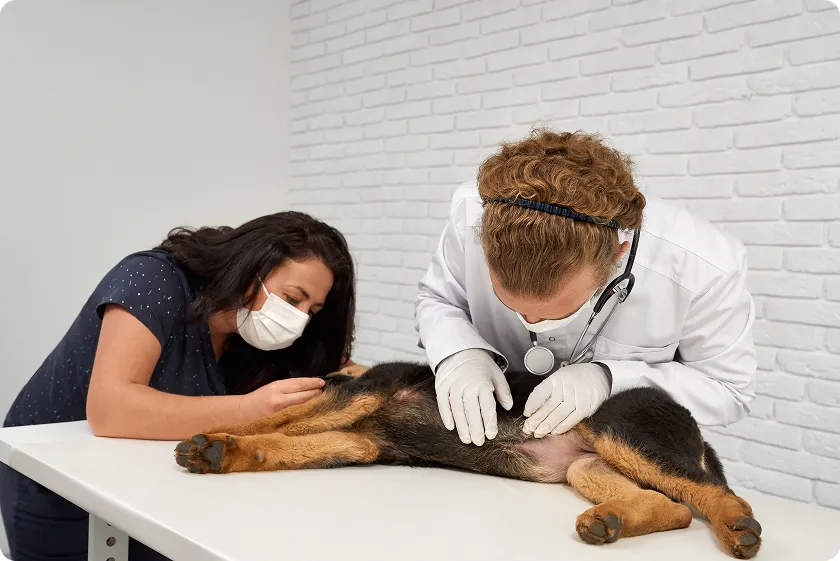
Consult an allergist for skin or blood tests to identify specific allergens. Accurate diagnosis is crucial for targeted cat allergy treatment or identifying reactions to dog dander. This is especially important for adults who suddenly develop allergies.
Medications and Allergy Shots
- Antihistamines: Relieve sneezing, itching, and a runny nose.
- Nasal corticosteroids: Reduce congestion and inflammation.
- Eye drops: Soothe itchy, watery eyes.
- Immunotherapy (allergy shots or drops): Train the immune system to tolerate allergens over time, reducing symptoms in the long term.
Environmental Controls
- Keep pets out of bedrooms.
- Groom and bathe pets regularly. Brush them outdoors.
- Vacuum with HEPA filters and dust with damp cloths.
- Wash bedding, curtains, and soft furnishings weekly.
- Some people try allergen-reducing sprays on furniture, although evidence that they help is limited.
- Practice good hygiene: wash hands and change clothes after pet contact.
| Strategy | How It Helps |
|---|---|
| HEPA Air Filters | Trap airborne pet dander |
| Frequent Pet Grooming | Removes loose fur and dander before it spreads |
| Bedroom Pet Ban | Minimizes nighttime allergen exposure |
| Vacuuming & Washing Fabrics | Reduces settled dander on surfaces |
| Medications | Relieve symptoms quickly |
| Allergy Shots/Immunotherapy | Build long-term tolerance to allergens |
Are Hypoallergenic Pets Real?
You may see some dog and cat breeds sold as "hypoallergenic." No breed is truly allergen-free, because all cats and dogs produce allergenic proteins in their skin, saliva, and urine. Some people react less to certain individual animals, and pets that shed less may spread less hair around the home, but studies have not found that so-called hypoallergenic breeds have consistently lower allergen levels in homes. If you have allergies and want a pet, spend time with the specific animal first and talk to an allergist before you commit.
Living With a Pet When You Have Allergies
Many people with mild pet allergies keep their pets by combining treatment with home changes. Start with the steps that make the biggest difference: keep the pet out of the bedroom, run a HEPA air purifier in the rooms where you spend the most time, and replace heavy carpets or rugs with hard floors where possible. Ask another household member to brush the pet outdoors and clean the litter box or cage. Allergy shots can be a good long-term option if medicines are not enough.
When to See a Doctor
See your doctor or an allergist if your symptoms last for weeks, disturb your sleep, or are not controlled with over-the-counter medicines. You should also get checked if you have frequent sinus infections, a cough that will not go away, or wheezing around animals, because pet allergies can trigger or worsen asthma. An allergist can confirm the trigger with skin or blood tests and discuss allergy shots.
Call 911 (or your local emergency number) if you have severe trouble breathing, wheezing that does not improve with your rescue inhaler, lips or face turning blue or gray, or swelling of the throat after contact with an animal.
Conclusion
Recognizing pet dander allergy is the first step to managing it. Common symptoms such as sneezing, itchy eyes, congestion, cough or wheezing, and hives, along with less specific signs like oral itch and poor sleep, can prompt you to get tested and treated. Treatments range from medications and immunotherapy to rigorous home cleaning and pet grooming.
By combining these approaches, you can maintain health, minimize discomfort, and continue enjoying your pet’s companionship. Share this guide with someone who loves their pet but keeps sneezing.
Sources
- Pet Allergies (Asthma and Allergy Foundation of America)
- Pet Allergy (American College of Allergy, Asthma and Immunology)
- Pet Allergy: Symptoms and Causes (Mayo Clinic)
- Pet Allergy (American Academy of Allergy, Asthma and Immunology)
FAQ
1. What kills pet dander?
Dander is not alive, so it can’t be “killed.” The most effective approach is removing it with regular cleaning, washing fabrics and using HEPA filters.
2. How do I get rid of pet dander?
Vacuum with HEPA filters, wash fabrics and pet bedding, and groom pets regularly. Reduce clutter and maintain airflow to minimize airborne allergens.
3. How to prevent cat allergies?
Keep cat-free zones, groom cats often, clean with HEPA filters, and consider immunotherapy. Limiting face-to-face contact reduces reactions.
4. Can you be allergic to dogs?
Yes, many people react to dog allergens in dander and saliva. Allergy testing helps determine which dogs trigger symptoms.
5. Why am I suddenly allergic to my cat?
Adult-onset allergies can occur. Your immune system can become sensitized after repeated exposure, and a new pet, a move or other allergies can make symptoms more noticeable.
About the author

Health Researcher and Writer
Haider Nadeem is a health researcher and the writer behind Healthy Eats Guide. He writes about health problems he faces or sees people around him face, and turns careful research into practical guides. Articles are researched and drafted with AI assistance, then fact-checked and edited by Haider using cited sources such as USDA, NIH, and peer-reviewed research.
Related blogs

Allergy Attack: 9 Essential Throat Allergy Symptoms
Allergy attack throat symptoms: 9 signs from itchy throat to tightness, how to tell allergies from a cold, fast relief steps and when swelling needs emergency care.
13 min read
Dust Allergy: 6 Essential Symptoms of Dust Mite Allergy
Dust allergy guide: 6 key symptoms of dust mite allergy, how it is diagnosed, proven ways to cut mites at home, treatment options and when to get help.
10 min read
Symptoms of Pollen Allergies: 5 Essential Signs
Symptoms of pollen allergies: 5 key signs from sneezing to itchy eyes, how they differ from a cold, proven treatments and when symptoms need urgent care.
10 min read
Newsletter
Get practical nutrition guides in your inbox
Clear food-by-food advice and diet tips for everyday eating — no spam, unsubscribe anytime.