
Smart Metabolism Tracking Devices: Features and Accuracy
Smart metabolism tracking devices from 2025 compared, including the Ultrahuman Ring Air, Apple Watch, Garmin, Lumen and Fitbit, with what they really measure and how accurate they are.
Introduction

Imagine putting on a ring or watch in the morning and seeing an estimate of how much energy your body used overnight. Smart metabolism tracking promises exactly that. Wearables and home devices now estimate calorie burn, heart rate variability, sleep, fitness, and, with a glucose sensor, blood sugar patterns. These tools can be useful, but none of them measures your metabolism directly like a lab test does, and their numbers are estimates.
This guide explains what smart metabolism-tracking devices actually measure, compares five popular devices from 2025, covers their accuracy, and shows how to use the data sensibly. Prices and models change often, so check the maker's site before you buy. If you have a medical condition such as diabetes or a thyroid disorder, use these devices alongside care from your doctor, not instead of it.
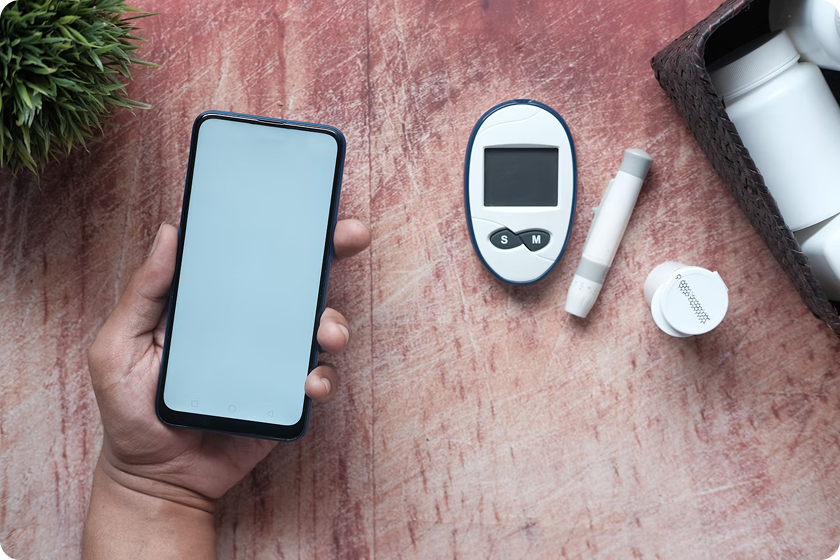
What Is Smart Metabolism Tracking?
Smart metabolism tracking means using consumer technology to estimate how your body uses energy. Your metabolism includes your resting metabolic rate (RMR), which is the energy you burn at rest, plus the energy you use to digest food and move around. In a clinic, RMR is measured with indirect calorimetry, which analyzes the oxygen you breathe in and the carbon dioxide you breathe out.
Wearables do not do this. Instead, they combine sensor data, such as heart rate and movement, with your age, sex, height and weight, and use algorithms to estimate calorie burn and other metrics. A continuous glucose monitor (CGM) is different. It measures glucose in the fluid under your skin, but it tracks one part of metabolism, not the whole picture.
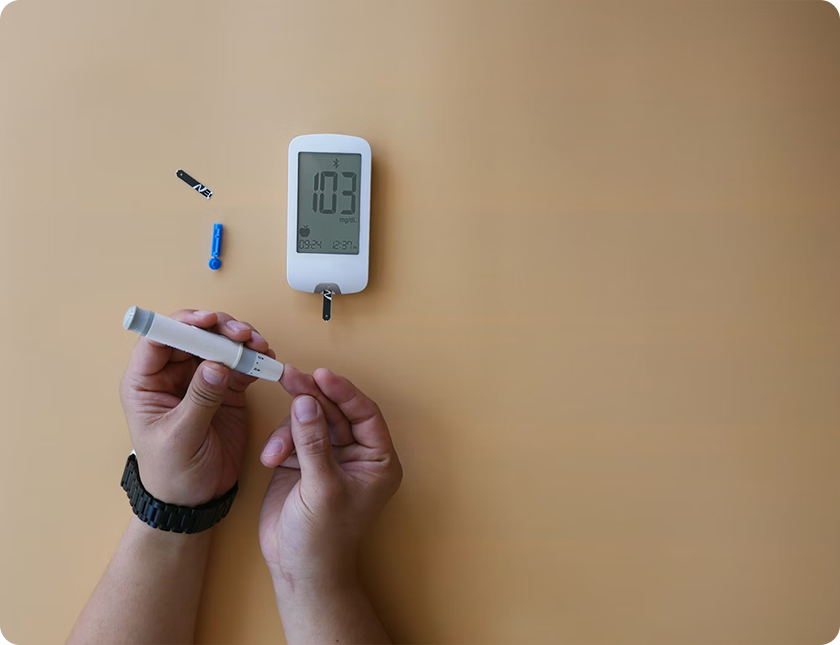
Why does this matter? Knowing roughly how active you are, how well you sleep and how your blood sugar responds to meals can help you make better daily choices. Wearables are now common. In a 2019 to 2020 national survey, an estimated 29% of American adults used a wearable device (Dhingra and colleagues, JAMA Network Open, 2023).
How Wearable Devices Estimate Metabolism
From Step Counters to Multi-Sensor Wearables
Early fitness trackers were little more than pedometers. Today's smartwatches and smart rings use optical heart rate sensors (photoplethysmography, or PPG), accelerometers, skin temperature sensors, and blood oxygen sensors. Wearables like the Apple Watch Series 10 and the Ultrahuman Ring Air use these signals to estimate heart rate variability (HRV), sleep stages, and activity.
What the Sensors Measure
- Heart rate: Resting and active heart rate are used to estimate calorie burn and fitness. Wrist sensors are usually close to accurate at rest and less accurate during intense or irregular movement.
- Blood oxygen (SpO2): This shows how saturated your blood is with oxygen. Consumer devices are not medical oximeters, and the FDA notes that pulse oximeters may overestimate oxygen levels in people with darker skin.
- Body weight and composition: Smart scales track weight over time. Some estimate body fat using a small electrical current, which can vary with hydration. The basic Fitbit Aria Air measures weight and BMI rather than body fat.
- Breath carbon dioxide: Lumen is a handheld breath device that estimates whether you are mainly burning carbohydrates or fat. It does not measure calorie burn, and independent research on it is limited.
- Glucose: CGMs such as the over-the-counter Dexcom Stelo (cleared by the FDA on March 5, 2024, for adults 18 and older not using insulin) and Abbott Lingo (cleared on May 29, 2024) show how your glucose changes after meals, exercise, and sleep.
These devices sync with phone apps to show trends over days and weeks, which is where they are most useful.
Five Popular Smart Devices for Metabolism Tracking in 2025
Here is a look at five popular devices from 2025. Each tracks different things, so the best choice depends on your goals. Prices below are approximate US launch prices and often change with sales and newer models.
1. Ultrahuman Ring Air
- Features: Tracks sleep, HRV, skin temperature, movement and stress. It can pair with Ultrahuman's separate M1 CGM for glucose-based metabolic insights.
- Why it stands out: A light ring with no required subscription for its core features.
- Price: Around $349.
2. Garmin Instinct 3
- Features: Rugged outdoor watch with long battery life, solar charging on some models, VO2 max estimates and Body Battery, which estimates your energy reserves from HRV, sleep and stress.
- Why it stands out: Very long battery life and a tough design for outdoor use.
- Price: Starts at about $400 for the solar version, and the AMOLED versions start around $450.
3. Lumen Metabolism Tracker
- Features: A breath device that estimates whether your body is burning mostly carbs or fat, with app-based meal suggestions.
- Why it stands out: Portable and easy to use for people interested in diet tracking. It requires a subscription for full features, and its readings are estimates.
- Price: About $299, though the price has varied.
4. Apple Watch Series 10
- Features: Heart rate, an FDA-cleared ECG app, blood oxygen where available, sleep tracking and activity rings.
- Why it stands out: Works closely with the iPhone and the Apple Health app. It only works with iPhone.
- Price: Started at $399 at launch.
5. Fitbit Charge 6
- Features: Heart rate, HRV, stress, sleep and calorie burn, with data shared to the Fitbit app alongside Fitbit smart scales.
- Why it stands out: A low-cost fitness band with good battery life.
- Price: Around $160.
Comparison Table: Smart Devices for Metabolism Tracking in 2025
| Device | Key Features | Price | Best For |
|---|---|---|---|
| Ultrahuman Ring Air | Sleep, HRV, stress, recovery (glucose with an add-on CGM) | About $349 | Biohackers, no-subscription seekers |
| Garmin Instinct 3 | VO2 max, Body Battery, solar power | About $400 to $450 | Outdoor enthusiasts, runners |
| Lumen | Breath-based estimate of carb or fat burning | About $299 | Diet-focused users |
| Apple Watch Series 10 | ECG, SpO2, HRV, AI health insights | $399 at launch | iPhone users, all-around fitness |
| Fitbit Charge 6 | HRV, stress, calorie burn, smart scale sync | About $160 | Budget-conscious, casual users |
Prices in the table are approximate 2025 launch prices. Newer models may now be available.
How to Use a Wearable to Track Your Metabolism
Here is a simple, practical way to get started.

Choose the Right Device
Pick a device based on your main goal. If you mainly want sleep and recovery data, a smart ring may suit you. If you want workout and fitness tracking, a smartwatch is usually better. If you want to see how meals affect your blood sugar, consider a short trial with an over-the-counter CGM.
Set Up Your Device Carefully
Download the companion app and enter your correct height, weight, age and sex. Calorie estimates depend on this information, so update your weight as it changes.
Wear It Consistently
Wear the device the same way each day and night. Make sure a watch or ring fits snugly, since a loose fit can make heart rate readings less reliable.
Look at Trends, Not Single Days
A single night of low HRV or a high calorie estimate means little. Look at weekly averages and trends over a month or more.
Make Small Changes
Use what you learn to make gradual changes, such as going to bed earlier, walking after meals, or adding strength training. Don't drastically cut calories based on a device's estimate, since it may be off by hundreds of calories.
Share Data With Your Care Team
If you have diabetes, heart disease or another condition, share your data with your doctor or dietitian. Never change a medicine, including insulin, based on a consumer device alone.
Benefits of Smart Metabolism Tracking
Personal Insights
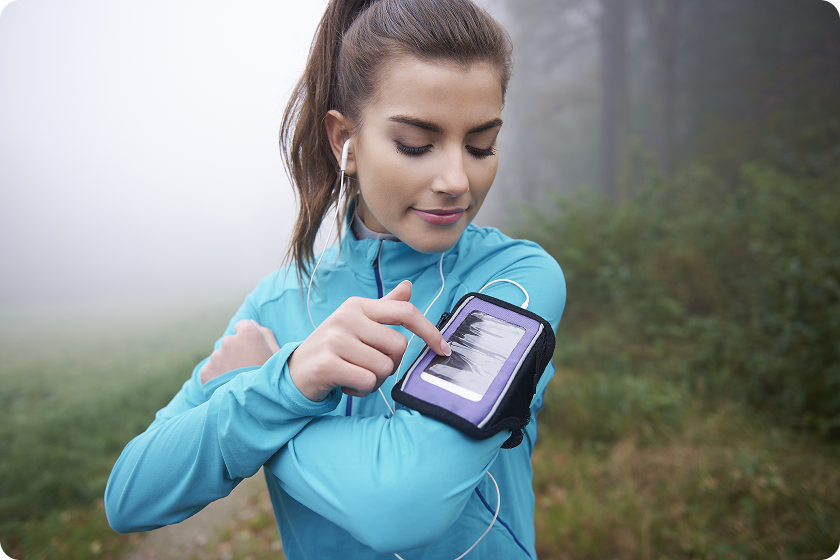
Seeing your own patterns can be motivating. A CGM can show how a particular meal or a walk after dinner affects your glucose, and sleep tracking can show how late meals or alcohol affect your rest. Research on CGM use in people without diabetes is still limited, so treat these insights as a learning tool rather than a diagnosis.
Spotting Changes Over Time
Some wearables flag unusual changes in resting heart rate, skin temperature or heart rhythm. For example, the Apple Watch can notify you of possible atrial fibrillation. These alerts are a prompt to see a doctor, not proof that something is wrong or that nothing is wrong.
Motivation and Accountability
Activity trackers can help people move more. A large 2022 review in The Lancet Digital Health found that people using activity trackers walked about 1,800 more steps a day on average and did more physical activity.
Better Sleep and Recovery Habits
Sleep and recovery scores can nudge you toward a regular bedtime, less late caffeine and rest days after hard training. Focus on how you feel as well as the score.
Limits of Smart Metabolism Tracking
While these devices are helpful, they have real limits:
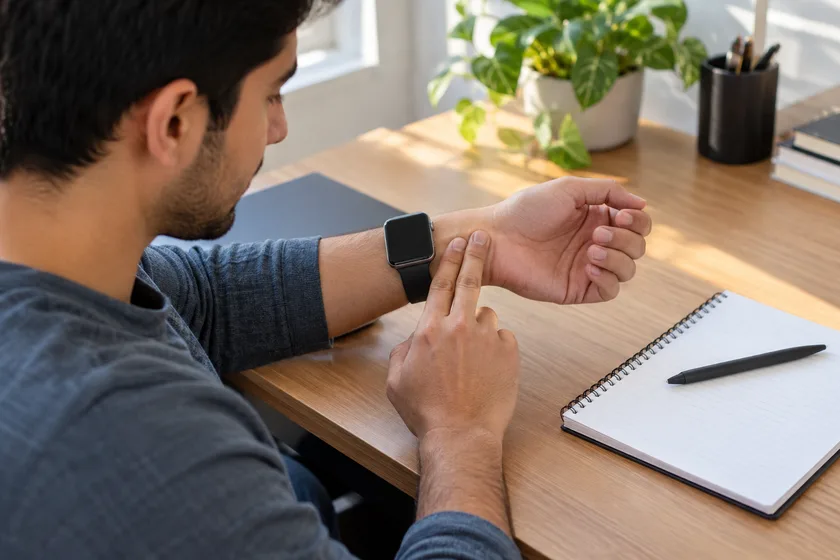
- Accuracy: Studies show wrist wearables measure heart rate fairly well but often misjudge calorie burn, sometimes by 20 percent or more. A chest strap such as the Polar H9 gives more accurate heart rate during exercise.
- Information overload: With so many scores, it is easy to worry about small daily changes. Focus on trends.
- Cost: Devices and subscriptions add up. A basic tracker plus good habits is enough for most people.
- Privacy: Health data from consumer devices is often not protected by HIPAA. Read the privacy policy and check what data is shared.
- Anxiety and eating concerns: Constant tracking can feed anxiety or unhealthy eating patterns in some people. If tracking makes you stressed, take a break.
Fitness Tracking Trends to Watch
Trends shaping smart metabolism tracking include:
- AI coaching: Many apps now use AI to summarize your data and suggest workouts or sleep goals. Treat these suggestions as general guidance.
- Smart rings: Rings such as the Ultrahuman Ring Air and Oura Ring are popular for sleep tracking because they are small and comfortable at night.
- Over-the-counter CGMs: Glucose sensors no longer require a prescription in the US for people who do not use insulin.
- Blood pressure and health alerts: Some newer watches offer hypertension notifications, which are screening alerts rather than a diagnosis.
How to Choose the Best Smart Device for You
Choosing a device depends on your goals, budget and phone. Consider:
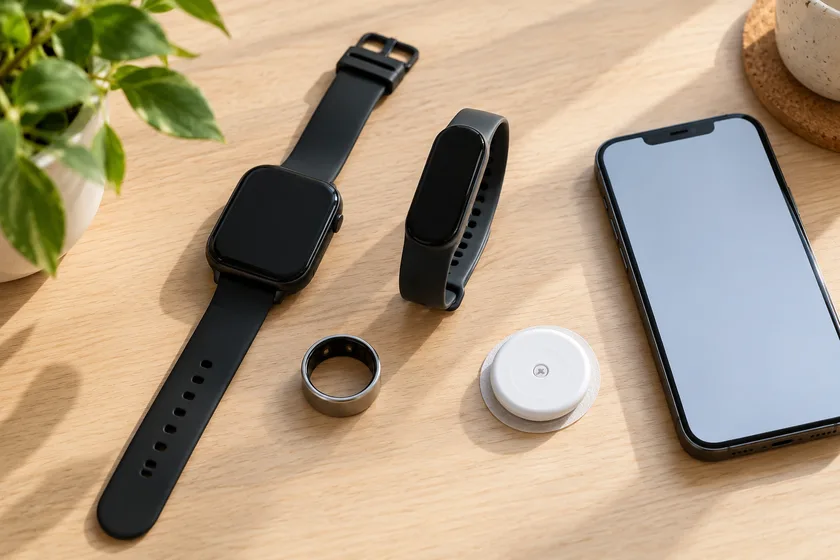
- Metrics tracked: Make sure it measures what you care about, such as sleep, HRV, heart rate or glucose.
- Ease of use: Look for a simple app you will actually check.
- Battery life: Smart rings often last several days between charges, and rugged watches such as the Instinct 3 can last weeks, while many smartwatches need charging every day or two.
- Compatibility: Apple Watch needs an iPhone. Most other devices work with both iOS and Android.
- Cost: Prices range from around $160 to $450 or more, plus any subscription fees.
When to See a Doctor
A wearable can prompt you to seek care, but it cannot rule out a problem. See a doctor if your device repeatedly shows a very high or very low resting heart rate, an irregular rhythm alert, low blood oxygen readings, or glucose readings that stay high after meals. Also see a doctor if you have unexplained weight gain or loss, constant tiredness, feeling cold or hot all the time, or a fast heartbeat, since these can be signs of a thyroid or other metabolic problem that needs blood tests.
Call 911 (or your local emergency number) if you have chest pain, fainting, severe shortness of breath, or signs of very high or very low blood sugar such as confusion or shakiness that does not improve, whatever your device says.
Conclusion
Smart metabolism tracking devices such as the Ultrahuman Ring Air, Garmin Instinct 3, Lumen, Apple Watch Series 10 and Fitbit Charge 6 can give you useful estimates of sleep, activity, fitness and, with a CGM, glucose patterns. They are tools for awareness, not medical tests. Use the trends to build better habits, keep realistic expectations about accuracy, and talk to your doctor about any worrying readings or symptoms. For more on building healthy habits, see our guide to daily exercise routine body workouts at home.
Sources
- Wearable Device Use Among US Adults (JAMA Network Open, 2023)
- Effectiveness of Wearable Activity Trackers to Increase Physical Activity (The Lancet Digital Health, 2022)
- Pulse Oximeters (FDA)
- FDA Clears First Over-the-Counter Continuous Glucose Monitor (FDA)
- Accuracy of Wrist-Worn Heart Rate and Energy Expenditure Monitors (Journal of Personalized Medicine, 2017)
FAQ
1. What are the best smart devices for metabolism tracking?
Popular options include the Ultrahuman Ring Air, Garmin Instinct 3, Lumen, Apple Watch Series 10 and Fitbit Charge 6. Each estimates different things, so pick one that tracks what matters most to you, such as sleep, fitness or glucose.
2. Can a wearable measure my metabolic rate?
Not directly. Wearables estimate calorie burn from heart rate, movement and your personal details. Only lab tests such as indirect calorimetry measure resting metabolic rate directly.
3. Are smart metabolism tracking devices accurate?
Heart rate is usually fairly accurate at rest, but calorie burn estimates can be off by 20 percent or more. Use the trends over weeks rather than any single number.
4. Can wearable devices help with weight loss?
They can help by boosting activity and awareness of habits. Studies show activity trackers increase daily steps, but weight loss still depends on your overall diet, activity and sleep.
5. Do I need a CGM if I do not have diabetes?
No. Most healthy people do not need one. An over-the-counter CGM can be a short learning tool, but talk to your doctor before making big diet changes based on it.
About the author

Health Researcher and Writer
Haider Nadeem is a health researcher and the writer behind Healthy Eats Guide. He writes about health problems he faces or sees people around him face, and turns careful research into practical guides. Articles are researched and drafted with AI assistance, then fact-checked and edited by Haider using cited sources such as USDA, NIH, and peer-reviewed research.
Related blogs

Recreational Soccer Benefits: 7 Reasons to Play Today
Seven evidence-based benefits of recreational soccer, from heart fitness and blood pressure to bone strength and social connection, plus a safe beginner weekly plan.
10 min read

Exercise for Endorphins: 7 Proven Ways to Boost Happiness
Exercise for endorphins boosts mood naturally with physical exercise and happiness tips, stress relief strategies, and fitness benefits. Learn proven ways today.
8 min read

Workout Plan to Lose Weight: 8 Effective Workout Exercises
A beginner-friendly weekly workout plan to lose weight, with 8 key exercises, cardio and strength targets, recovery habits and safety tips.
9 min read
Newsletter
Get practical nutrition guides in your inbox
Clear food-by-food advice and diet tips for everyday eating — no spam, unsubscribe anytime.