
Fatigue vs Exhaustion: 10 Essential Signs You Should Know
Fatigue vs exhaustion explained: how everyday tiredness differs from deep exhaustion, medical causes like anemia, thyroid problems and ME/CFS, and when to see a doctor.

Introduction

Have you ever wondered why you feel drained even after sleeping well? Understanding fatigue vs exhaustion can help you recognize what your body is trying to tell you. While many people use these words interchangeably, there is a real difference between fatigue and tired feelings. Fatigue may improve with rest, but exhaustion often feels deeper and harder to overcome.
This guide explains the signs, causes, and solutions behind exhaustion vs fatigue, including how stress, infections, dehydration, nutrition, and lifestyle habits can affect your energy. By the end, you will know when simple rest is enough and when you should seek medical advice.
Why Understanding Fatigue vs Exhaustion Matters
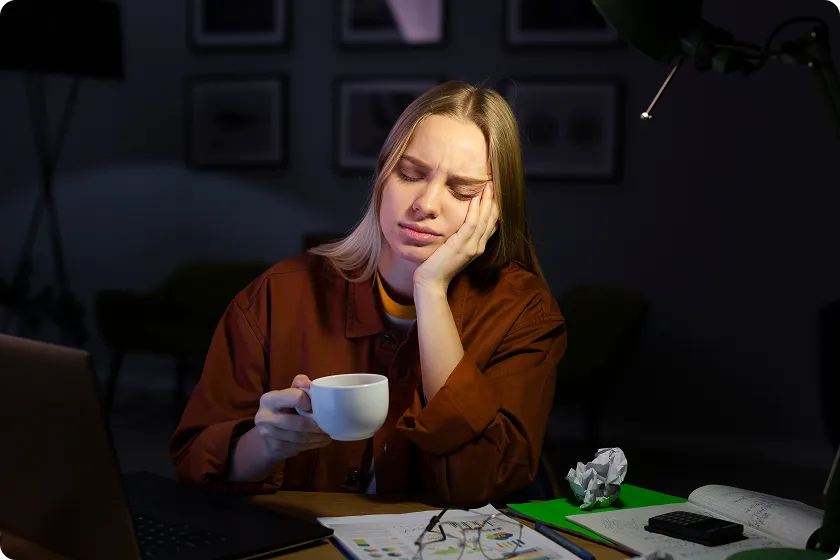
Feeling low on energy occasionally is normal, but ongoing tiredness can affect work, relationships, and daily activities. Fatigue vs exhaustion is an important distinction because exhaustion may signal deeper physical or emotional strain. Mayo Clinic explains that fatigue can result from lifestyle factors, medications, stress, or underlying health conditions.
Women often describe low energy, a heavy, weak sensation in the body, or unexplained weakness in the body as normal stress. However, repeated symptoms deserve attention.
Fatigue Feels Like Low Energy
Fatigue usually means reduced energy, motivation, or strength. You may still be able to complete tasks but feel slower than usual.
Common examples include:
- Feeling sleepy during the day
- Difficulty concentrating
- Reduced physical performance
- Mild muscle tiredness
Exhaustion Feels More Extreme
Exhaustion is a more severe state in which your body feels completely depleted. People may experience sudden episodes of extreme fatigue that interrupt normal activities.
A person experiencing exhaustion may say:
- My body feels too heavy to move.
- Rest does not refresh me.
- Small tasks feel overwhelming.
Fatigue Can Include Emotional Symptoms
Energy levels are closely connected with mental health. Stress, anxiety, and emotional pressure may contribute to fatigue and extreme fatigue. The CDC notes in its overview of ME/CFS that severe fatigue can interfere with normal activities and may not improve simply with rest.
Table 1: Fatigue vs Exhaustion Comparison
| Feature | Fatigue | Exhaustion |
|---|---|---|
| Energy level | Reduced energy | Almost complete depletion |
| Improves with rest | Often yes | May not improve |
| Daily activities | Harder but possible | Very difficult |
| Common triggers | Poor sleep, stress, activity | Illness, burnout, chronic conditions |
10 Essential Signs That Help Identify the Difference

Knowing the warning signs makes it easier to understand your symptoms and take action. Many people ask, "What causes fatigue in women?" or "Can an infection make you tired?" The answer depends on several factors, including hormones, nutrition, immunity, and lifestyle.
1. Constant Lack of Energy
Persistent tiredness is one of the earliest signs. You may wake up feeling tired or lose energy quickly during the day.
2. Heavy and Weak Body Feeling
A common complaint is that the body feels heavy and weak even without intense activity. This may happen with poor nutrition, stress, or illness.
3. Muscle and Leg Fatigue
Weakness in the legs or leg fatigue can occur after physical strain, dehydration, or nutrient deficiencies.
4. Headaches Along With Tiredness
Some people experience fatigue and headaches together. Poor sleep, dehydration, stress, and eye strain can contribute to both symptoms.
5. Trouble Concentrating
Fatigue can affect memory, focus, and mental clarity. Many people describe this as "brain fog."
6. Nausea and Fatigue Together
Many people ask, "Can fatigue cause nausea?" Fatigue itself does not always cause nausea, but infections, stress, dehydration, and some medical conditions can create both symptoms.
7. Sleep Does Not Restore Energy
If you sleep enough but still feel exhausted, it may indicate a deeper problem rather than simple tiredness.
8. Mood Changes
Irritability, anxiety, and low mood often appear alongside prolonged exhaustion.
9. Frequent Illness or Slow Recovery
People recovering from infections may experience prolonged tiredness. This answers the common question: can an infection make you tired? Yes, because the immune system uses energy during recovery.
10. Reduced Ability to Complete Normal Tasks
When fatigue starts affecting work, exercise, or daily responsibilities, it should not be ignored.
Table 2: Common Causes and Possible Clues
| Possible Cause | Energy Symptoms |
|---|---|
| Poor sleep | Daytime tiredness, low focus |
| Dehydration | Weakness, dizziness, exhaustion |
| Vitamin deficiencies | Low energy, muscle weakness |
| Infection | Sudden tiredness, body aches |
| Stress or anxiety | Mental exhaustion, poor concentration |
Supportive Habits That Can Improve Energy

Improving energy often requires small but consistent changes. Understanding how to help fatigue starts with supporting your body through sleep, nutrition, hydration, and stress management.
Improve Sleep Quality
Good sleep helps the body repair itself. Maintain a regular bedtime, reduce screen use before sleeping, and create a comfortable sleep environment.
Stay Hydrated and Eat Balanced Meals
Many people ask, can dehydration cause exhaustion? Yes. Losing fluids can reduce energy and cause weakness.
Helpful habits include:
- Drinking enough water daily (see how many ounces of water you need a day)
- Eating protein-rich foods
- Including fruits and vegetables
- Avoiding excessive caffeine
Check Possible Nutrient Issues
Some deficiencies can contribute to tiredness. People often ask, "Does lack of vitamin D cause fatigue?" Studies link low vitamin D levels with tiredness and weak muscles, although testing and medical advice are important before taking supplements.
Medical Conditions That Can Cause Ongoing Exhaustion
When tiredness does not lift with rest, a medical cause is often worth ruling out. A doctor will usually start with a history, a physical exam, and simple blood tests.
Iron Deficiency Anemia
Anemia means your blood carries less oxygen than it should. Lack of iron is the top cause, and it is more likely in people with heavy periods, during pregnancy, or in people who eat little iron-rich food. Signs include tiredness, pale skin, shortness of breath on exertion, headaches, and cold hands and feet. Mild cases may cause no symptoms, and the signs overlap with many other conditions, so a blood count and ferritin test are needed to confirm it. Do not take iron supplements long term without testing, because too much iron can be harmful.
Thyroid Problems
An underactive thyroid (hypothyroidism) slows the body's metabolism. It can cause fatigue, weight gain, feeling cold, constipation, dry skin, and low mood. It is common in women and becomes more common with age. A TSH blood test is usually the first step, sometimes followed by a free T4 test, and treatment with thyroid hormone often improves energy.
Sleep Apnea and Poor Sleep
In obstructive sleep apnea, breathing stops and starts again and again through the night. People may sleep a full night and still wake exhausted. Loud snoring, gasping at night, morning headaches, and daytime sleepiness are common signs. Adults need 7 or more hours of sleep a night, and our sleep hygiene checklist can help if your habits are the issue.
Diabetes and Medicines
High or poorly controlled blood sugar can leave you drained, and so can some medicines, including antihistamines, some blood pressure drugs and antidepressants. Learn more in our guides to diabetes fatigue and Mounjaro fatigue. Never stop a prescribed medicine without talking to your doctor.
ME/CFS
Myalgic encephalomyelitis/chronic fatigue syndrome (ME/CFS) is a long-lasting illness that can be severe. Diagnosis requires a large drop in normal activity with fatigue lasting 6 months or more that is not relieved by rest, along with post-exertional malaise (a flare of symptoms after physical or mental effort), unrefreshing sleep, and either memory problems or dizziness when standing. A doctor will rule out other causes first, because long-lasting fatigue alone is not enough for a diagnosis. Because pushing through can make it worse, pacing activity with a clinician's guidance is key.
Burnout and Emotional Exhaustion
Burnout is linked to long-term work or caregiving stress that is not managed well. It often shows up as exhaustion, feeling detached or cynical, and feeling less effective. Rest alone may not fix it. Setting limits, sharing tasks, taking real breaks, and talking with a counselor can help. Ongoing exhaustion with low mood, loss of interest, or hopelessness may be depression, which is very treatable.
When to See a Doctor
As a practical rule, see a doctor if tiredness lasts more than two weeks without a clear reason (or sooner if it is severe or getting worse), keeps you from normal activities, or comes with weight loss, fever, night sweats, heavy periods, snoring with breathing pauses or low mood. Bring notes on your sleep, diet, medicines, and when the fatigue started.
Call 911 (or your local emergency number) if extreme exhaustion comes with chest pain, severe shortness of breath, fainting, confusion, sudden weakness on one side of the body, or trouble speaking. If you are having thoughts of suicide, call or text 988 in the US to reach the 988 Suicide and Crisis Lifeline.
Conclusion
Understanding fatigue vs exhaustion helps you recognize whether you are experiencing normal tiredness or a deeper energy problem. Fatigue may improve with proper rest, while exhaustion can involve persistent weakness, headaches, anxiety, nausea, or difficulty completing daily activities.
Remember that exhaustion vs fatigue is not only about how tired you feel but also how your symptoms affect your life. Improve your sleep, hydration, nutrition, and stress management, and seek professional advice if symptoms continue.
If you want a structured way to rebuild your energy, try our 14-day energy boost challenge.
Sources
- Fatigue (MedlinePlus)
- Fatigue: Causes (Mayo Clinic)
- Myalgic Encephalomyelitis/Chronic Fatigue Syndrome (CDC)
- Iron-Deficiency Anemia (NHLBI)
- Tiredness and Fatigue (NHS)
FAQ
1. What causes fatigue in women?
Causes may include stress, hormonal changes, poor sleep, anemia, thyroid issues, and nutrient deficiencies.
2. Can an infection make you tired?
Yes, infections can cause fatigue because the immune system requires extra energy during recovery.
3. Can dehydration cause exhaustion?
Yes, dehydration may reduce blood volume and contribute to weakness, dizziness, and exhaustion.
4. Does lack of vitamin D cause fatigue?
Low vitamin D may contribute to fatigue and muscle weakness in some people.
5. Can fatigue cause nausea?
Fatigue alone is not always the cause, but related conditions like illness or dehydration may trigger nausea.
About the author

Health Researcher and Writer
Haider Nadeem is a health researcher and the writer behind Healthy Eats Guide. He writes about health problems he faces or sees people around him face, and turns careful research into practical guides. Articles are researched and drafted with AI assistance, then fact-checked and edited by Haider using cited sources such as USDA, NIH, and peer-reviewed research.
Related blogs

6 Essential Signs of Lupus You Should Know
What are the signs of lupus? Learn the 6 most common early symptoms, from fatigue and joint pain to the butterfly rash, plus kidney warning signs, tests and when to see a doctor.
9 min read

Mounjaro Fatigue: 5 Essential Facts to Know
Mounjaro fatigue explained: what the FDA label says, 5 key facts about tirzepatide tiredness, common causes like low intake and dehydration, and when to seek care.
9 min read

Cystic Fibrosis: 7 Essential Facts You Should Know
Cystic fibrosis explained: the CFTR gene, inheritance, symptoms, newborn screening and sweat test, CFTR modulators, life expectancy and daily care.
9 min read
Newsletter
Get practical nutrition guides in your inbox
Clear food-by-food advice and diet tips for everyday eating — no spam, unsubscribe anytime.