
Eye Drops for Contact Lenses: 11 Choices for Dry Eye Relief
How to choose safe eye drops for contact lenses: rewetting drops vs artificial tears, what to avoid, 11 drop types, application tips and warning signs.
Introduction

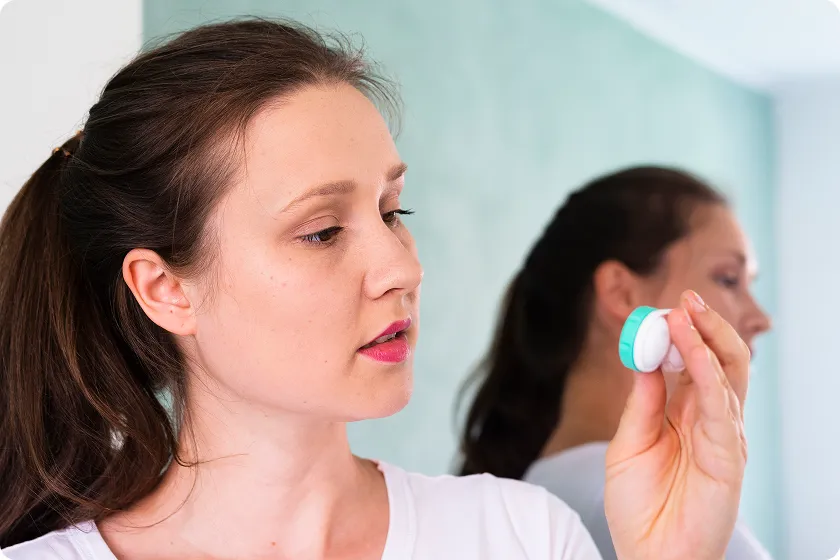
If you wear contact lenses, you have probably felt that gritty, dry sensation by late afternoon, especially after hours at a screen. The right eye drops can make lenses far more comfortable, but not every bottle on the pharmacy shelf is safe to use with lenses in. Some drops contain preservatives or ingredients that can build up on lenses, cloud your vision or irritate your eyes.
This guide explains the main types of eye drops for contact lens wearers, common reasons lenses feel dry, how to choose and apply drops safely, special care for gas permeable lenses and the warning signs that mean you should see an eye doctor. It draws on guidance from the American Academy of Ophthalmology, the National Eye Institute and the US Food and Drug Administration. Always follow the instructions from your eye care professional and the product label.
Understanding Eye Drops for Contact Lenses
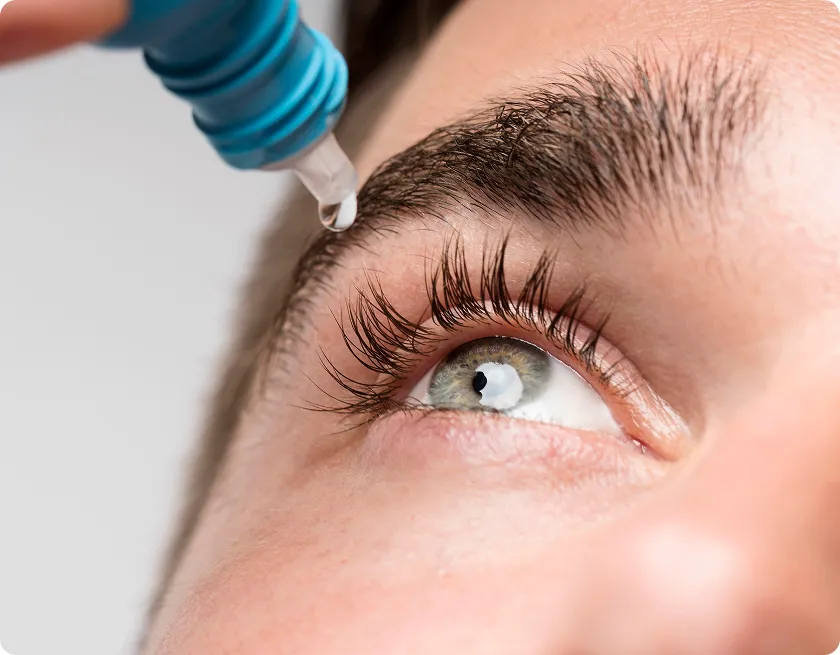
Contact lenses sit on the tear film, the thin layer of fluid that keeps the surface of the eye moist and smooth. Lenses can disrupt this layer and absorb some moisture, which is why many wearers notice dryness. Eye drops designed for contact lenses add moisture and help the lens move comfortably with each blink.
Types of Eye Drops for Contact Lens Wearers
Products fall into a few main groups. Rewetting drops are formulated to be used with lenses in place. Lubricating drops or artificial tears may be thicker; some are labeled safe for contacts, while others should be used only after lenses are removed. Saline is used for rinsing, and multipurpose solution is for cleaning, disinfecting and storing lenses, not for putting directly in the eye during wear unless the label says so.
| Type | Best For | Features |
|---|---|---|
| Saline solution for contact lenses | Rinsing and temporary relief | Simple, preservative-free hydration |
| Rewetting drops | Daily comfort while wearing lenses | Safe for direct use with lenses on |
| Lubricating drops | Severe dryness (remove lenses first) | Long-lasting moisture |
| Multipurpose contact lens solution | Cleaning and disinfecting | Not for rewetting during wear |
The key rule is simple: if the label does not say it is for use with contact lenses, remove your lenses before using it.
Common Reasons for Dry Eyes and Contact Lenses
Several factors can make lenses feel dry or uncomfortable:
- Screen time: People blink less often when focusing on screens, which lets the tear film evaporate.
- Environment: Air conditioning, heating, wind, low humidity and air travel all dry the eyes.
- Wearing lenses too long: Overwearing lenses or sleeping in lenses not approved for overnight wear reduces oxygen to the cornea.
- Lens deposits: Protein and lipid buildup on lenses can cause irritation.
- Underlying dry eye disease: The National Eye Institute notes that dry eye becomes more common with age, in women and with certain medicines, such as antihistamines.
- Allergies: Seasonal allergies can cause itching and watering that make lenses uncomfortable.
Contact Lens Hygiene Tips for Healthier Eyes
Good hygiene prevents many problems. Wash and dry your hands before handling lenses. Never use tap water, homemade saline or saliva to clean or store lenses, since water can carry organisms such as Acanthamoeba, which can cause a serious eye infection. Use fresh solution every time instead of topping off old solution. Clean, rinse and air-dry your lens case and replace it at least every three months. Replace lenses on the schedule your eye doctor recommends, and remove them before swimming or showering.
Choosing the Right Eye Drops for Contact Lens Users
1. Look for Preservative-Free Formulas
Preservatives help keep multi-use bottles free of germs, but some can bind to soft lenses and irritate the eye with frequent use. Preservative-free drops, often sold in single-use vials, are a gentle option if you use drops several times a day or have sensitive eyes.
2. Check Osmolarity and pH Balance
Drops that closely match natural tears tend to feel most comfortable. Products labeled for contact lens use are formulated to be compatible with lens materials. If drops sting or blur your vision for long, try a different formula and ask your eye doctor.
3. Avoid Vasoconstrictors
Redness-relief drops contain ingredients that shrink blood vessels. They are not meant for use with contact lenses, can mask signs of infection and may cause rebound redness with regular use. If your eyes are red while wearing lenses, remove the lenses and find the cause.
4. Comparing Common Eye Drop Types
This table compares common products and when to use each one.
| Type | Preservative-Free? | Safe for Lenses? | Best Use Case |
|---|---|---|---|
| Saline solution | Yes | Yes | Quick hydration or rinsing |
| Artificial tears | Some | Only if labeled for contacts | After removing lenses |
| Rewetting drops | Some | Yes | On-the-go moisture boost |
| Multipurpose solution | No | For cleaning only | Disinfection and storage |
Top 11 Eye Drops for Contact Lenses
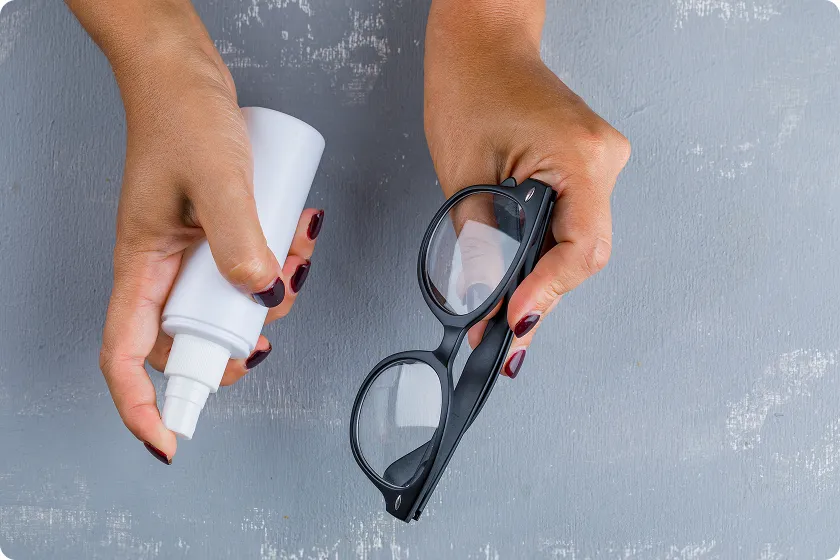
Rather than specific brands, here are the main categories to discuss with your eye doctor or pharmacist.
1. Daily Comfort Rewetting Drops
Light drops designed for use with lenses in place throughout the day.
2. Preservative-Free Hydration Drops
Single-use vials that suit frequent users and sensitive eyes.
3. Extended-Wear Moisturizing Drops
Formulas that aim to keep lenses moist during long days, often with ingredients that help hold water on the eye.
4. Protein-Removal Compatible Drops
Rewetting drops that may help loosen light deposits during wear. They do not replace proper cleaning.
5. Sensitive-Eye Rewetting Drops
Gentle, often preservative-free, options for people prone to irritation.
6. Lubricating Gel Drops (Remove Lenses First)
Thicker drops that offer longer relief but can blur vision and coat lenses. Use them after taking lenses out, such as at bedtime.
7. Saline-Based Drops
Sterile saline labeled for contact lens use can rinse lenses and add moisture.
8. Long-Lasting Moisture Drops
Drops designed to stay on the eye longer, helpful in dry environments.
9. Cooling Rewetting Drops
Some products feel cooling; check that they are labeled for contacts.
10. Allergy Relief Drops for Contact Lens Wearers
Many antihistamine eye drops tell you to take your lenses out before use and wait before putting them back in. The waiting time depends on the product; the label for Pataday Once Daily Relief (olopatadine), for example, says to wait at least 10 minutes. Follow the exact label for the drop you buy.
11. Post-Lens Removal Recovery Drops
Artificial tears used after removing lenses can soothe tired eyes at the end of the day.
Eye Drop Safety and Best Application Practices
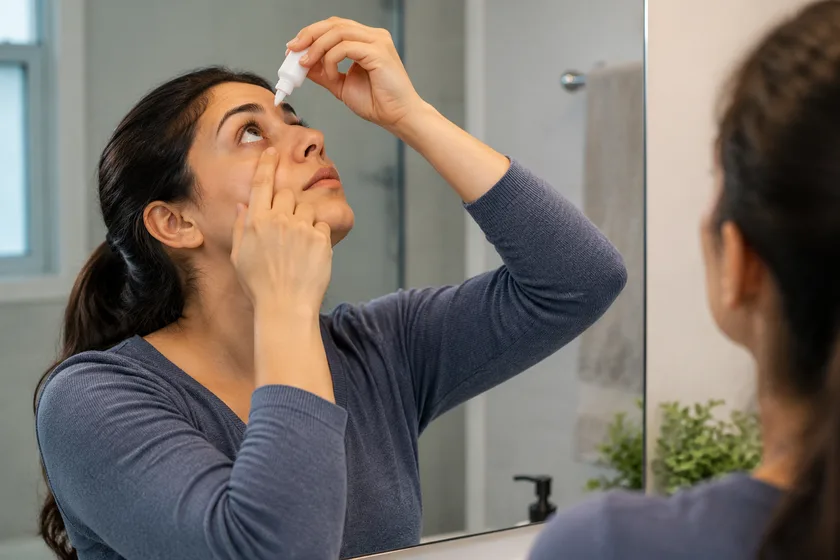
How to Apply Eye Drops with Contact Lenses On
- Wash your hands thoroughly.
- Tilt your head back slightly and look up.
- Gently pull down your lower eyelid to form a small pocket.
- Squeeze one drop into the pocket without touching the tip to your eye or fingers.
- Close your eyes and blink gently to spread the drop.
- Replace the cap right away and discard single-use vials after use.
Adverse Effects of Wrong Lens Solution
Using the wrong product can cause stinging, redness, blurry vision or damage to the eye. Hydrogen peroxide cleaning systems must never be put directly into the eye; they need to be neutralized fully according to the instructions. Mixing brands or using expired solution can also reduce disinfection. The FDA warns that improper lens care increases the risk of serious eye infections.
Caring for Gas Permeable and Rigid Gas Permeable Contact Lenses
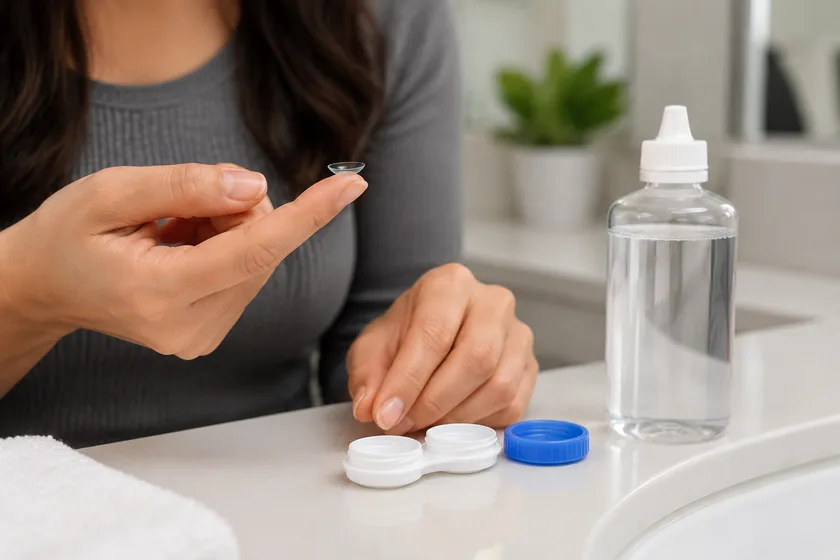
Why Are Gas Permeable Contact Lenses Recommended?
Gas permeable lenses are firm lenses that let oxygen pass through to the cornea. Eye doctors may recommend them for astigmatism, keratoconus or when soft lenses do not give sharp enough vision.
How Do I Clean Gas Permeable Contact Lenses Correctly?
Use only solutions labeled for gas permeable lenses. Rub each lens gently with cleaner, rinse with the recommended solution and store it in fresh conditioning solution. Avoid tap water.
What Are the Benefits of Rigid Gas Permeable Lenses?
They often provide crisp vision, last longer than soft lenses and resist deposits. They may take longer to get used to at first.
When Contact Lens Issues Signal a Problem

What Causes a Contact Lens to Stick in the Eye?
A lens that has dried out may cling to the eye, especially after sleeping in it or in dry environments.
What to Do If a Contact Lens Won't Come Out
Wash your hands, add several drops of rewetting drops or sterile saline, blink and wait a few minutes for the lens to loosen. Gently slide it down before removing it. If you cannot find or remove the lens, see an eye doctor rather than forcing it.
When to See a Doctor
Remove your lenses and contact an eye doctor promptly if you have:
- Eye pain, redness or discomfort that does not go away after removing lenses
- Blurred vision or sensitivity to light
- Discharge, excessive tearing or a feeling that something is in your eye
- A lens stuck in your eye that you cannot remove
- Dryness that continues despite drops
These can be signs of a corneal infection or ulcer, which needs quick treatment.
Emergency: Call 911 (or your local emergency number) or go to an emergency department for a chemical splash in the eye, sudden vision loss or a serious eye injury.
Conclusion
Choosing eye drops for contact lenses comes down to reading labels: use rewetting drops or products marked safe for contacts while wearing lenses, save thicker artificial tears and medicated drops for when lenses are out, and avoid redness-relief drops. Pair drops with good lens hygiene, regular lens replacement and screen breaks. If dryness, redness or pain persists, see your eye doctor. For more on related topics, see our guide to allergy attacks and symptoms of pollen allergies.
Sources
- Contact Lens Care (American Academy of Ophthalmology)
- Contact Lens Solution and Eye Drop Safety (American Academy of Ophthalmology)
- Contact Lens Safety (American Academy of Ophthalmology)
- Contact Lens Risks (FDA)
- Dry Eye (National Eye Institute)
- Dry Eyes (NHS)
FAQ
1. Can I use any eye drops with contact lenses?
No. Use only drops labeled for contact lenses while wearing them. Remove lenses before using other drops.
2. Are artificial tears safe with contacts?
Only if the label says they are safe for contact lenses. Otherwise, use them after removing your lenses.
3. Why should I avoid redness-relief drops?
They are not designed for use with lenses, can hide signs of infection and may cause rebound redness.
4. How often can I use rewetting drops?
Follow the label. Preservative-free drops are better if you need them many times a day. Ongoing dryness should be checked by an eye doctor.
5. Can I rinse lenses with tap water?
No. Tap water can carry organisms that cause serious eye infections. Use only sterile solutions recommended for your lenses.
About the author

Health Researcher and Writer
Haider Nadeem is a health researcher and the writer behind Healthy Eats Guide. He writes about health problems he faces or sees people around him face, and turns careful research into practical guides. Articles are researched and drafted with AI assistance, then fact-checked and edited by Haider using cited sources such as USDA, NIH, and peer-reviewed research.
Related blogs
NAD+ IV Drips: 6 Essential Safety Facts
NAD+ IV drips: learn 6 key facts about NAD+ infusion safety, side effects, risks, and contraindications before treatment. Read before you book.
9 min read

Heart Numbers and What They Mean: 7 Signs of a Strong Heart
Heart numbers and what they mean: healthy ranges for heart rate, blood pressure, cholesterol, oxygen, ejection fraction, blood sugar and waist size, plus red flags.
12 min read
5 Gua Sha Benefits: What the Evidence Says
What gua sha can and cannot do for your skin and muscles: 5 benefits, what the research shows, how to use a gua sha tool safely and who should avoid it.
8 min read
Newsletter
Get practical nutrition guides in your inbox
Clear food-by-food advice and diet tips for everyday eating — no spam, unsubscribe anytime.