
Does Drinking Alcohol Age You? 7 Essential Facts
Does drinking alcohol age you? Learn how alcohol, excessive drinking, and age affect skin, organs, and brain health—take control today.
By Healthy Eats Guide Team
Published
Updated
6 min read
Introduction
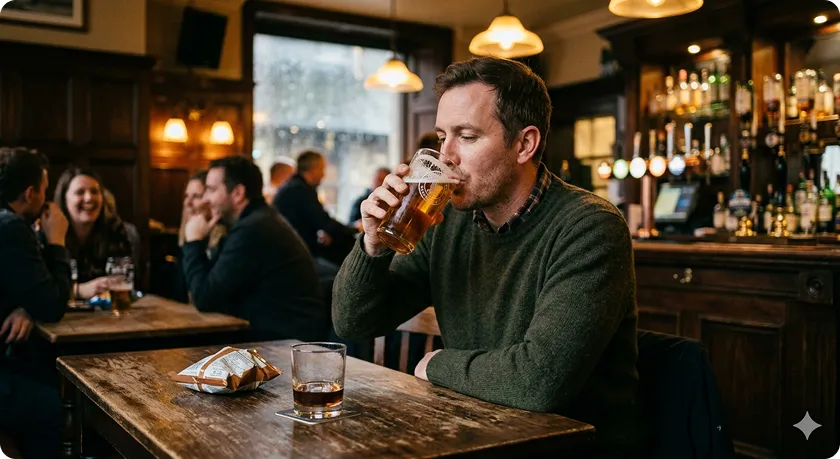
Does drinking alcohol age you? It’s a question many people ask, especially as they notice fine lines, fatigue, or health changes over the years. Alcohol is widely consumed across cultures for social, celebratory, and stress-relief reasons. Still, its effects on aging are not just cosmetic. They extend to internal organs, cognition, and overall longevity. Understanding the relationship between alcohol and aging can help you make informed choices about your drinking habits, whether you’re wondering at what age you should stop drinking alcohol or are concerned about how much alcohol is too much.
In this article, we’ll explore 7 essential facts about alcohol and aging, provide actionable guidance, and help you weigh the risks and benefits of drinking responsibly.
Fact 1: Alcohol and Skin Aging
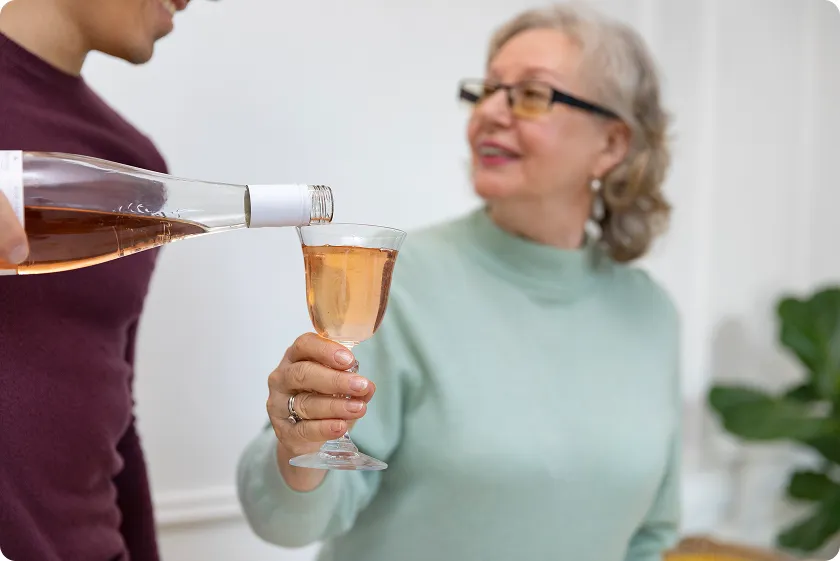
Alcohol can accelerate visible aging, primarily due to its dehydrating effects and impact on nutrient absorption.
- Dehydration: Alcohol draws water from your skin, leading to dryness, sagging, and premature wrinkles.
- Inflammation: Alcohol increases inflammation, which damages collagen and elastin, the proteins that keep skin firm and youthful.
- Nutrient Depletion: Excessive drinking reduces absorption of vitamins like A, C, and E, which are essential for skin repair.
Key takeaway: Occasional moderate drinking is less harmful, but chronic heavy drinking contributes to premature skin aging.
Fact 2: Impact on Internal Organs
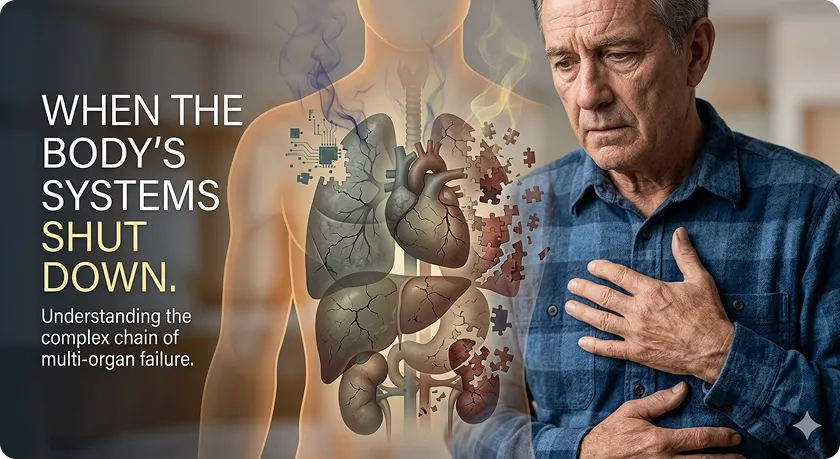
Alcohol doesn’t just affect your appearance. It can accelerate internal aging.
- Liver: Chronic alcohol consumption can lead to fatty liver, cirrhosis, and decreased detoxification.
- Heart: Excess alcohol may increase blood pressure and risk of heart disease.
- Kidneys: Alcohol acts as a diuretic, stressing the kidneys and affecting fluid balance.
Bottom line: These organ-level effects can reduce life expectancy and quality of life, even before visible signs of aging appear.
Fact 3: Cognitive Decline and Alcohol
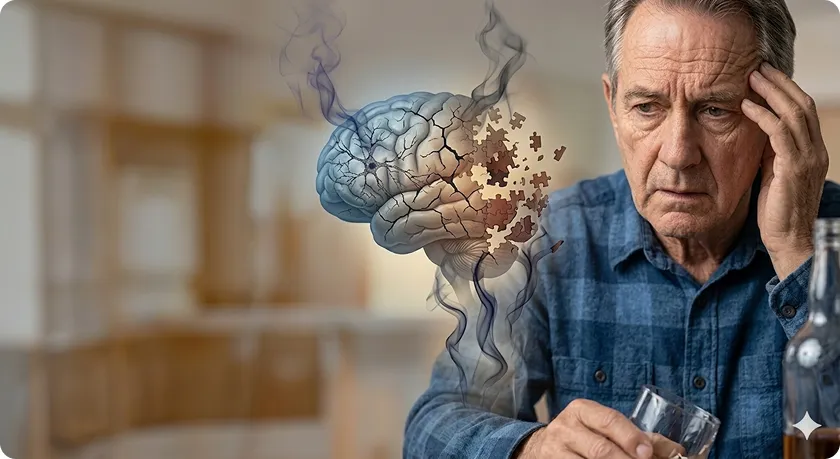
Brain health is strongly linked to aging, and alcohol plays a significant role.
- Memory: Heavy drinking is associated with short-term memory problems and long-term cognitive decline.
- Neurotoxicity: Alcohol damages brain cells and can accelerate brain aging.
- Sleep disruption: Alcohol affects REM sleep, which is crucial for memory consolidation and brain repair.
Important: Moderate drinking may have limited effects, but binge drinking or chronic consumption accelerates cognitive aging.
Fact 4: How Much is Too Much?
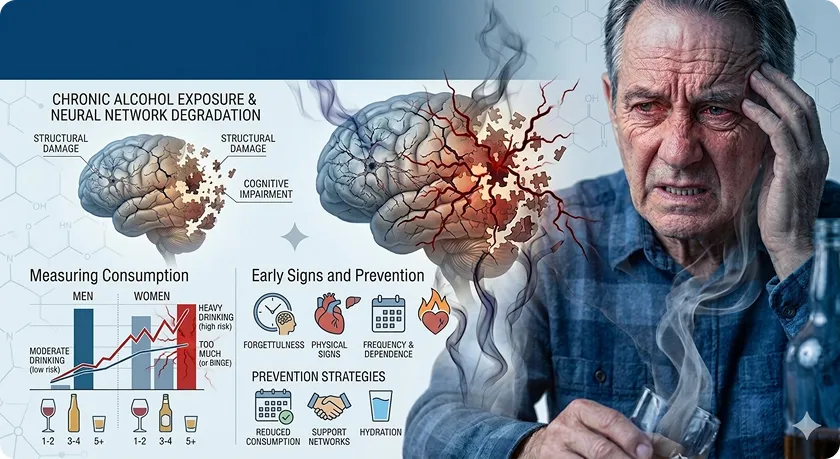
Understanding what constitutes excessive drinking is critical to preventing aging.
| Type of Drink | Standard Serving | Daily Limit (Moderate) | Excessive Threshold |
|---|---|---|---|
| Beer | 12 oz (355 ml) | 1 for women, 2 for men | >3 for women, >4 for men |
| Wine | 5 oz (148 ml) | 1 for women, 2 for men | >3 for women, >4 for men |
| Spirits | 1.5 oz (44 ml) | 1 for women, 2 for men | >2 for women, >3 for men |
Key insight: Drinking above these thresholds consistently is considered excessive and accelerates aging.
Fact 5: Safe Drinking Recommendations
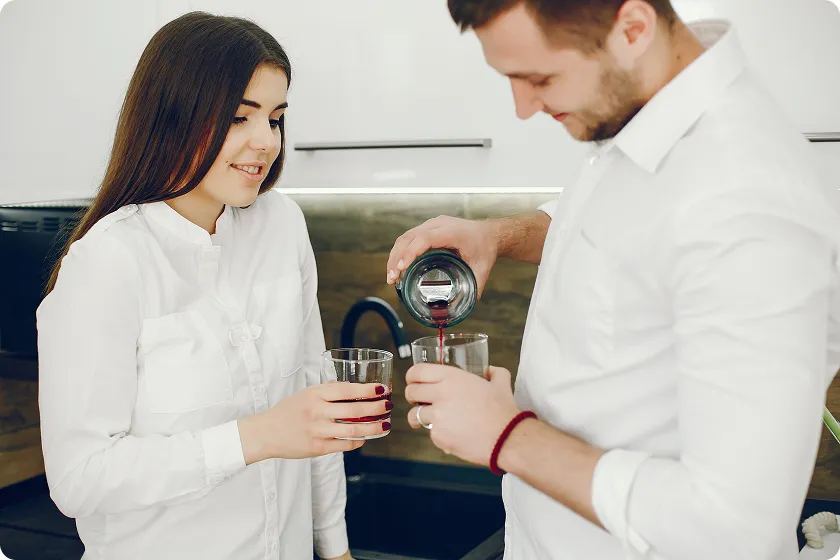
Experts suggest limiting alcohol and adopting habits that minimize its aging effects:
- Stick to moderate drinking limits as above.
- Include hydration before, during, and after alcohol consumption.
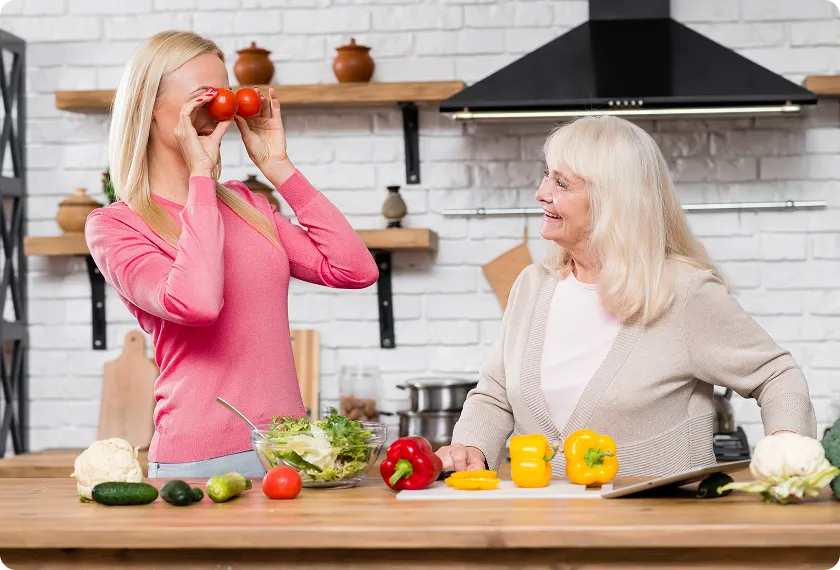
- Eat nutrient-rich meals with alcohol to mitigate nutrient depletion.
- Avoid binge drinking sessions.
Why it matters: Small lifestyle adjustments can significantly reduce alcohol-related aging.
Fact 6: At What Age Should You Stop Drinking Alcohol?
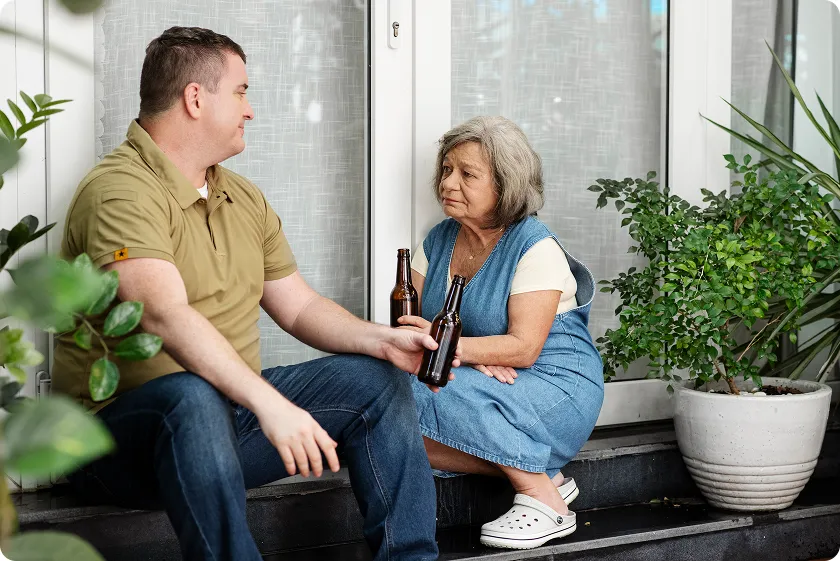
There is no universal age to stop drinking, but several factors influence the decision:
- Health status: People with liver, heart, or cognitive issues may need to stop earlier.
- Age-related tolerance: Older adults metabolize alcohol more slowly, increasing its effects.
- Medications: Many medications common in older adults interact negatively with alcohol.
Rule of thumb: For many, reducing or stopping alcohol after age 50–60 can preserve health and slow aging.
Fact 7: Lifestyle Factors That Affect Aging
Alcohol is only one piece of the aging puzzle. To slow aging:
- Nutrition: Eat antioxidant-rich foods.
- Exercise: Supports cardiovascular and skin health.
- Sleep: Essential for repair and regeneration.
- Stress management: Chronic stress accelerates aging independently.
Insight: Even moderate alcohol consumption can be balanced with healthy lifestyle choices to minimize its impact on aging.
Checklist: Reducing Alcohol’s Impact on Aging
| Action | Why it Helps |
|---|---|
| Limit drinking to moderate levels | Prevents organ and skin damage |
| Stay hydrated | Reduces skin dryness and fatigue |
| Eat nutrient-rich foods | Helps mitigate vitamin depletion |
| Exercise regularly | Maintains muscle and cardiovascular health |
| Prioritise sleep | Supports brain repair and slows ageing |
| Monitor medications | Avoids harmful interactions |
FAQ
1. Does alcohol age you quickly?
Chronic heavy drinking accelerates both visible and internal aging. Occasional moderate consumption has a smaller effect.
2. How much alcohol is excessive?
More than 3–4 drinks per day for women or 4–5 for men is considered excessive.
3. At what age should you stop drinking alcohol?
There’s no strict age, but after 50–60, reducing or stopping drinking can protect your health.
4. Can occasional drinking be safe?
Yes, as long as it stays within recommended limits and is balanced with healthy lifestyle habits.
5. Does alcohol affect only the skin or also the internal organs?
Both. Alcohol accelerates skin aging and damages organs such as the liver, heart, and brain.
Conclusion
Does drinking alcohol age you? The evidence is clear: yes, especially when consumed excessively or over many years. Alcohol accelerates skin aging, impacts vital organs, and contributes to cognitive decline. Moderation, hydration, nutrition, and an overall healthy lifestyle can mitigate the effects of alcohol on aging.
Take control of your health today, evaluate your drinking habits, set realistic limits, and prioritize lifestyle choices that slow aging. For a deeper dive into healthy living and aging prevention, explore our comprehensive health guides.
Internal Links
- Statin Therapy Guidelines: 5 Essential LDL Goals
- 7 Effective Sleeping Remedies to Improve Your Deep Sleep
- Average Height of a Men: 10 Proven Facts You Must Know
External Links
- Alcohol and the Aging Process
- Does Drinking Alcohol Age You?
- Does Drinking Alcohol Actually Make You Age Faster?
Reference
- Protect Your Liver: Watch Video to Learn How Alcohol Affects Your Health https://www.medicallyspeaking.in/medical-news/protect-your-liver-watch-video-to-learn-how-alcohol-affects-your-health/
- Post - Home http://invitahealthandwellness.com/the-power.html
About the author
Healthy Eats Guide Team
Editorial Team
The Healthy Eats Guide editorial team researches and writes practical health and wellness content focused on clarity, sourcing, and everyday usefulness.
Related blogs
How Many Carbs Are in a Slice of Bread: 7 Essential Facts
How many carbs are in a slice of bread? Learn bread carbohydrate content, fiber, serving sizes, and smarter choices for blood sugar. Read more.
11 min read
Room Temperature in Celsius: 8 Essential Facts to Know
Room temperature in Celsius explained, with normal and ideal indoor temperature ranges. Learn how comfort, health, and environment affect it today.
12 min read

Why Like the Smell of Own Farts: 7 Proven Facts
Why like the smell of own farts? Learn why your brain accepts your own fart smell, why other people's farts smell worse, and how odour perception works.
11 min read
Newsletter
Get practical health guides in your inbox
Occasional updates with clear nutrition, habits, and wellness reading — no spam, unsubscribe anytime.