
Bird Flu Symptoms in Humans and Animals: Early Signs
Bird flu symptoms in humans range from eye redness to pneumonia. Learn signs in people, poultry and cats, plus why fever is not always present.
Medical disclaimer: This article is for general information only and is not medical or veterinary advice. If you feel unwell after contact with birds or other animals, contact a healthcare provider. For animal illness, contact a veterinarian.
Introduction

Bird flu (avian influenza) mainly affects wild birds and poultry. Some strains, especially H5N1, occasionally infect people and other mammals, including dairy cows and cats. Human infections are uncommon, and the CDC currently rates the risk to the general public as low. People with close or prolonged contact with infected animals face a higher risk.
This guide covers symptoms in people, poultry and cats, how infection spreads, and what to do after a possible exposure.
What Is Bird Flu and How Does It Spread?

Avian influenza viruses circulate mainly in wild birds, especially waterfowl such as ducks, which can carry the virus without looking sick. Infected birds and other animals shed the virus in saliva, mucus, feces and other body fluids such as cow milk. According to the CDC, people can become infected when enough virus gets into their eyes, nose or mouth, or is inhaled. This usually happens after close, unprotected contact with sick animals or contaminated surfaces.
Main routes of spread include:
- Direct contact with sick or dead birds or animals, their droppings or bedding. Farm workers and veterinarians have the highest exposure.
- Contaminated surfaces such as equipment, clothing and boots.
- Wild bird migration, which can bring the virus to domestic flocks.
- Mammal spillover to animals such as dairy cattle and cats, including through raw milk or raw pet food (CDC).
Human-to-human spread is rare. The CDC notes that limited, non-sustained person-to-person spread is thought to have happened in a few clusters in other countries, usually after prolonged close contact with a very sick patient. Sustained human-to-human transmission has not been seen, and none has been reported in the United States.
Bird Flu Symptoms in Humans

Illness ranges from mild to severe, and some cases have been fatal. According to the CDC, most recent U.S. cases have been mild, and eye redness (conjunctivitis) has been the main symptom in many of them.
Possible symptoms include:
- Eye redness and irritation (conjunctivitis)
- Fever or feeling feverish (fever is not always present)
- Cough and sore throat
- Runny or stuffy nose
- Muscle or body aches, headache and fatigue
- Shortness of breath or difficulty breathing
Less common: diarrhea, nausea or vomiting.
Severe illness can include pneumonia, severe breathing problems, and altered mental status or seizures (WHO).
How Serious Is H5N1?
Severity varies widely. The WHO reports that more than half of the nearly 900 human H5N1 infections recorded worldwide since 2003 were fatal. Mild cases may have gone undetected, which could make that figure look higher. In contrast, most U.S. cases since 2022 have been mild, with a few hospitalizations and one death reported (CDC).
When Symptoms Start
The CDC says respiratory symptoms usually begin about 3 days after exposure, with a range of about 2 to 7 days. Eye symptoms can appear 1 to 2 days after exposure.
Bird Flu vs Seasonal Flu
You cannot tell bird flu from seasonal flu by symptoms alone, because they overlap. Even rapid flu tests and most standard flu tests cannot tell the two apart. The main clue is recent exposure to sick or dead birds, dairy cows or other potentially infected animals, so always mention any animal contact to your clinician.
Diagnosis and Treatment

Bird flu is diagnosed through testing. A clinician collects swabs from the nose and throat, plus an eye swab if conjunctivitis is present, and public health laboratories test these samples for avian influenza (CDC clinician brief).
For treatment, the CDC recommends oral oseltamivir (an antiviral, brand name Tamiflu) as soon as possible for anyone with suspected, probable or confirmed infection. It should be started even if more than 48 hours have passed since symptoms began, and clinicians should not wait for test results (CDC).
After an Exposure: Monitoring and When to Seek Care
- Monitor yourself for 10 days after your last exposure to infected or possibly infected birds or animals. Watch for eye redness, fever or respiratory symptoms (CDC).
- If symptoms develop within 10 days, stay home away from others and do not go to work or school. Contact a healthcare provider or your local public health department promptly, and tell them about the exposure so you can be tested and treated (CDC).
- Call local emergency services if you have trouble breathing, chest pain or pressure, confusion, or seizures.
Bird Flu Symptoms in Chickens and Poultry
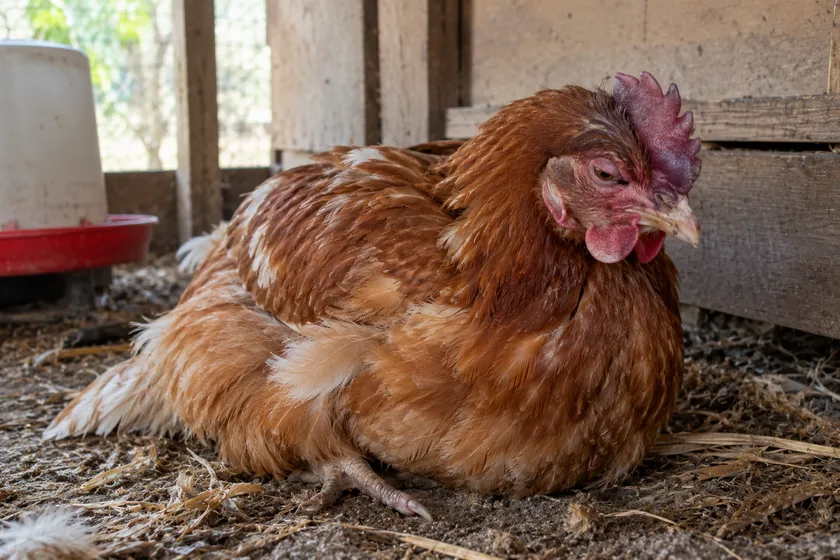
According to the USDA, birds infected with highly pathogenic avian influenza may show one or more of these signs:
- Sudden death without earlier signs of illness
- Lack of energy and appetite
- Drop in egg production, or soft-shelled or misshapen eggs
- Swelling of the head, comb, eyelids, wattles and hocks
- Purple discoloration of the wattles, comb and legs
- Nasal discharge, coughing and sneezing
- Incoordination and diarrhea
Low-pathogenic strains often cause few or no signs. In the U.S., report suspected cases to USDA at 1-866-536-7593 or to your state veterinarian. Elsewhere, contact your local veterinary authority.
Bird Flu Symptoms in Cats and Other Pets
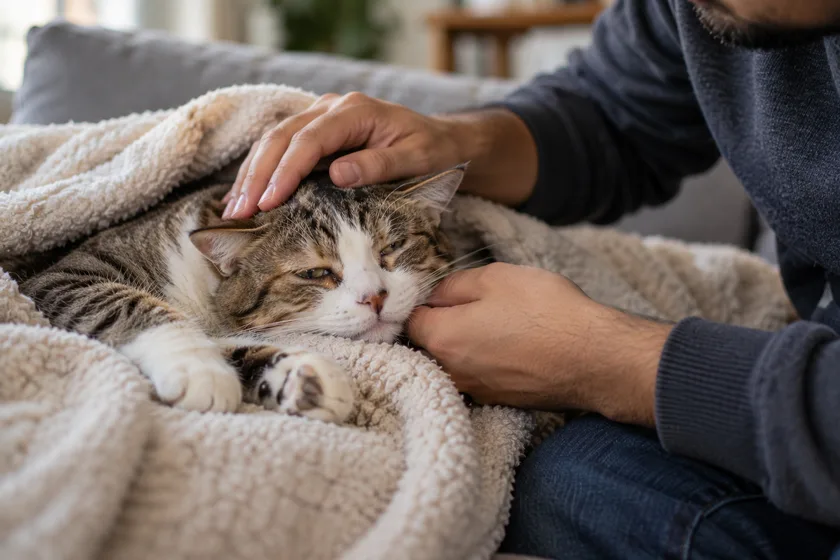
Cats can be infected by eating infected birds, raw pet food or raw milk. The CDC says signs in animals range from mild illness to severe neurologic disease and rapid death. Possible signs include:
- Decreased energy and appetite, and fever
- Red or inflamed eyes, and eye or nasal discharge
- Sneezing, coughing, fast or difficult breathing (respiratory signs are not always present)
- Neurologic signs such as tremors, seizures, circling, incoordination or blindness
- In some cases, death without obvious earlier signs of illness
If your pet shows these signs after possible exposure, contact a veterinarian. Limit close contact with the animal, and monitor your own health.
How Bird Flu Affects Communities

Outbreaks affect more than individual health. Losing a flock can cause financial hardship for farmers and disrupt local food supplies, and families may worry about the safety of poultry products. Prompt reporting, public awareness and cooperation between farmers, veterinarians and health authorities help limit both the spread and the economic impact.
Prevention: Practical Steps for Families, Farmers and Pet Owners
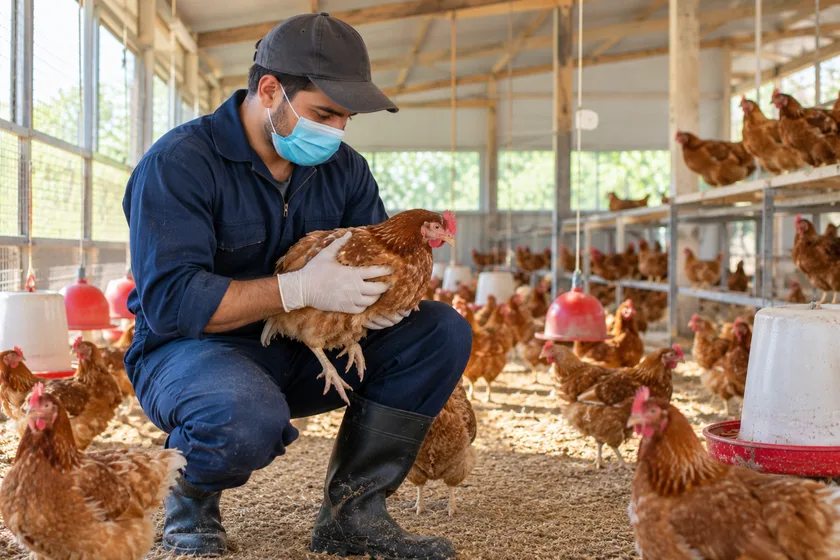
- Avoid sick or dead birds and animals. Observe wild birds from a distance. Do not touch droppings, litter or water sources that may be contaminated (CDC).
- Use recommended protective equipment if you must have close contact with possibly infected animals. This means respiratory protection (such as a fitted respirator), eye protection (goggles or a face shield) and gloves, following official CDC or local health guidance. Wash your hands afterward.
- Avoid raw milk. Choose pasteurized milk and dairy products, because pasteurization kills avian influenza viruses (CDC).
- Cook poultry and eggs thoroughly. Cook them to an internal temperature of 165°F (74°C). Keep raw poultry separate from cooked and ready-to-eat foods, and wash your hands, surfaces and utensils after handling raw poultry (CDC; FoodSafety.gov).
- Protect pets. Keep cats indoors during outbreaks, and do not feed pets raw pet food or raw milk (CDC).
- Practice biosecurity on farms. Limit visitors, clean boots and equipment, and keep poultry away from wild birds.
- Stay informed through the CDC, WHO or your national health agency, since the situation changes over time.

FAQ
1. Can bird flu spread from person to person?
Rarely. Limited, non-sustained spread has been reported in a few clusters abroad, but sustained human-to-human transmission has not been seen.
2. Does the seasonal flu vaccine protect against bird flu?
No. The seasonal flu vaccine is not designed to protect against H5N1, although the CDC still recommends it for people who work with birds or other animals to reduce seasonal flu.
3. Is it safe to eat chicken and eggs?
Yes, when they are properly handled and cooked. Cooking poultry and eggs to 165°F (74°C) kills avian influenza viruses.
4. Can I catch bird flu from my cat?
It is unlikely but possible. If your cat may have been exposed and becomes ill, contact a veterinarian, limit close contact, and watch your own health for 10 days.
5. How long does bird flu last in people?
According to the CDC, it usually lasts a few days to less than two weeks. People with severe illness may be sick for longer.

Conclusion
Bird flu in people is uncommon and often mild, but it can be severe. Symptoms overlap with seasonal flu, so the key clue is recent contact with sick birds or animals. If you develop eye redness, fever or respiratory symptoms within 10 days of an exposure, contact a healthcare provider promptly and mention the exposure. For sick poultry or pets, contact a veterinarian or your local animal health authority.
External Links
About the author

Health Researcher and Writer
Haider Nadeem is a health researcher and the writer behind Healthy Eats Guide. He writes about health problems he faces or sees people around him face, and turns careful research into practical guides. Articles are researched and drafted with AI assistance, then fact-checked and edited by Haider using cited sources such as USDA, NIH, and peer-reviewed research.
Related blogs

Stroke Symptoms in Women: 8 Essential Early Warning Signs
Stroke symptoms in women include sudden numbness, confusion, vision loss and less typical signs like nausea. Learn BE FAST, women's unique risks, and when to get emergency help.
11 min read

C. diff Infection Symptoms: 9 Essential Signs and Causes
C diff infection symptoms explained: 9 warning signs after antibiotics, what causes C diff in adults, treatment, prevention and when to seek urgent care.
10 min read

Symptoms of Pollen Allergies: 5 Essential Signs
Symptoms of pollen allergies: 5 key signs from sneezing to itchy eyes, how they differ from a cold, proven treatments and when symptoms need urgent care.
10 min read
Newsletter
Get practical nutrition guides in your inbox
Clear food-by-food advice and diet tips for everyday eating — no spam, unsubscribe anytime.